
Last updated September 23, 2026
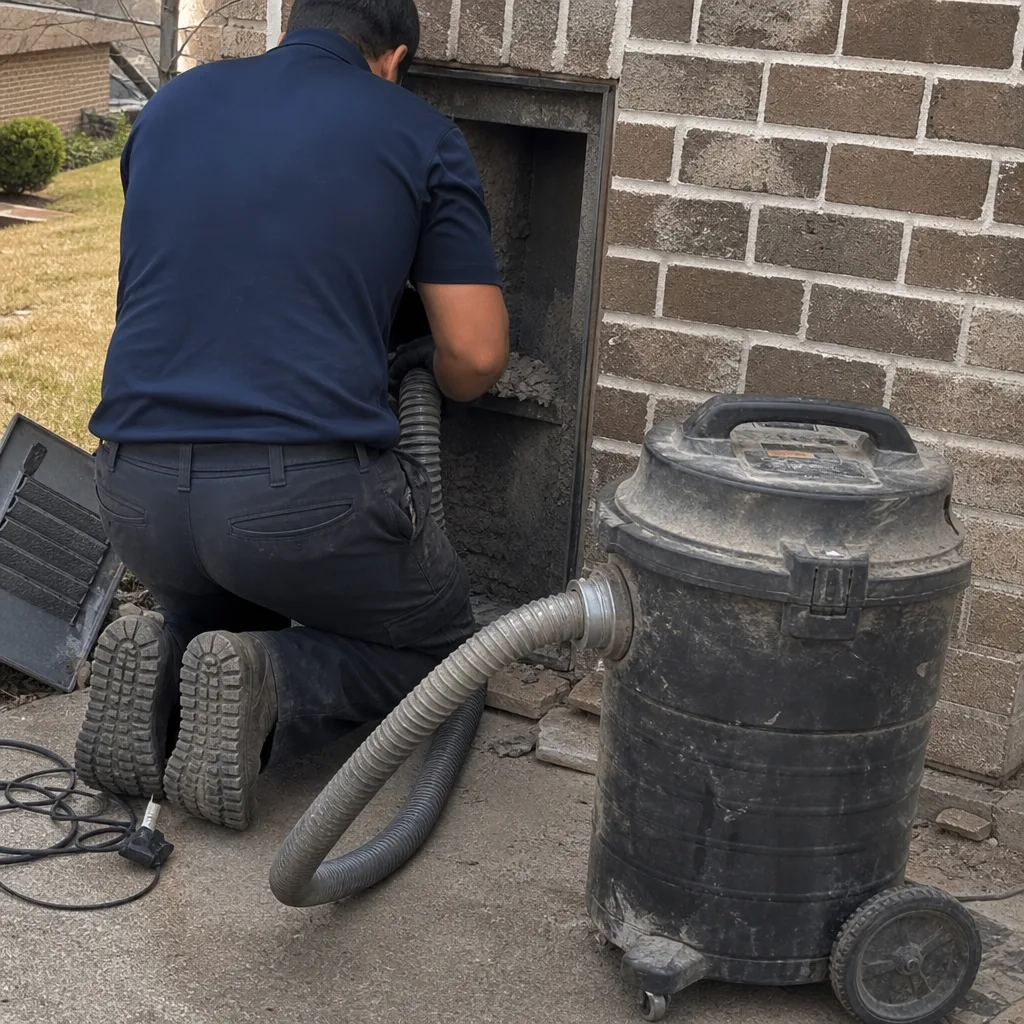
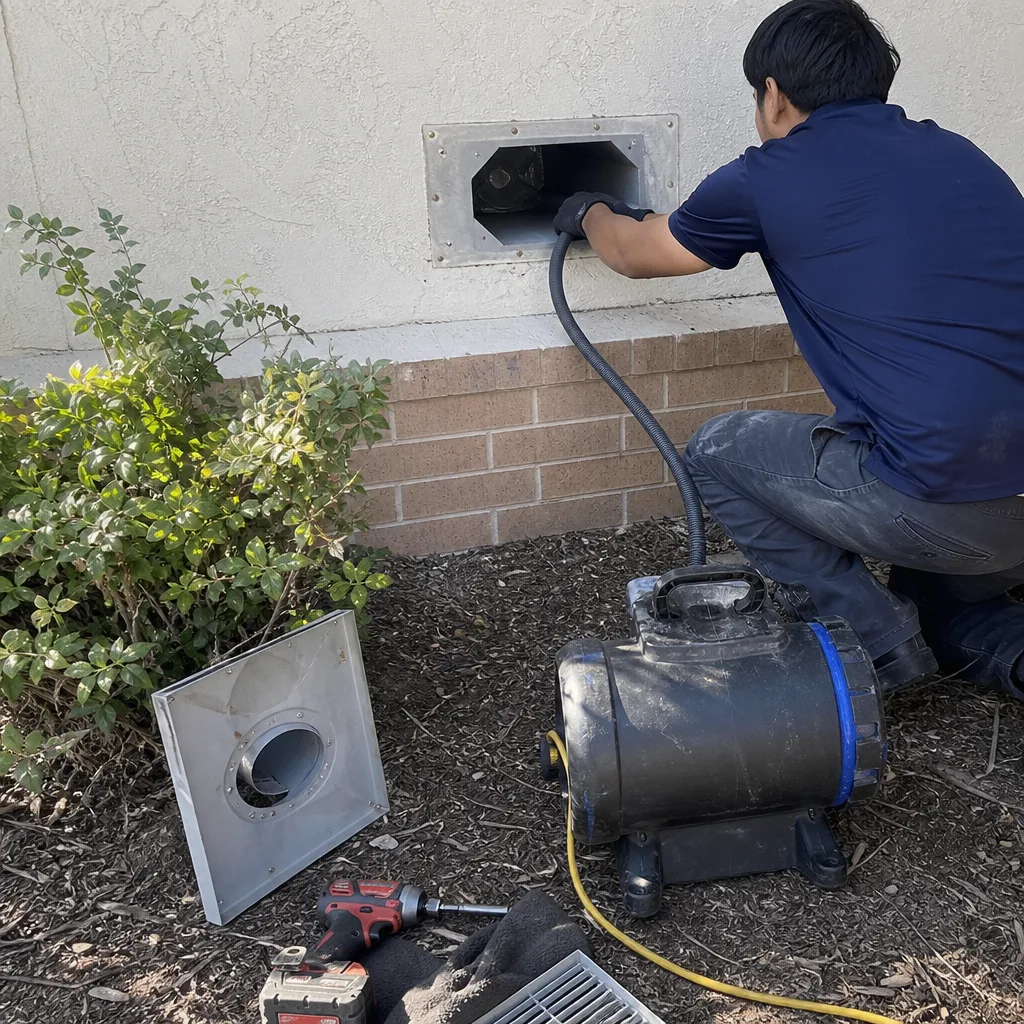
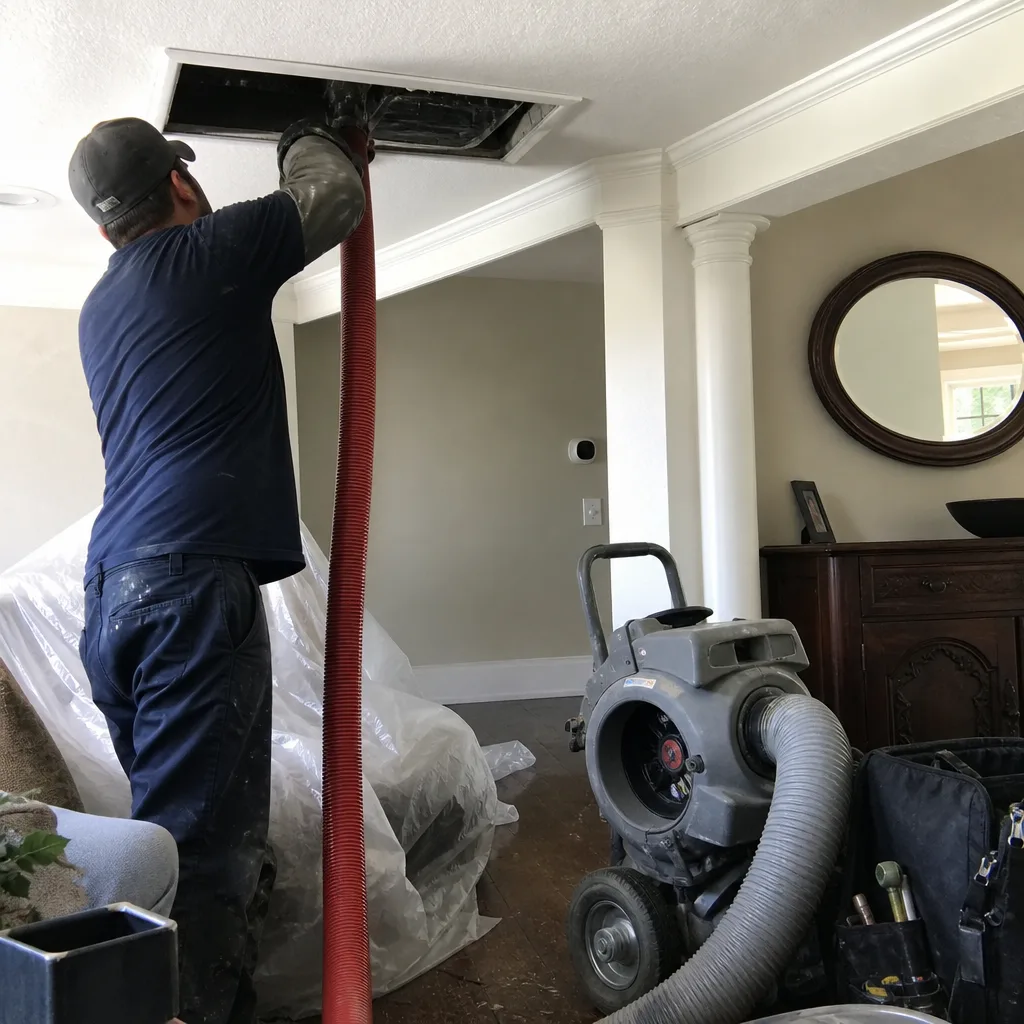
Whole-system duct and dryer vent check with before-and-after photos - you see exactly what came out of your vents
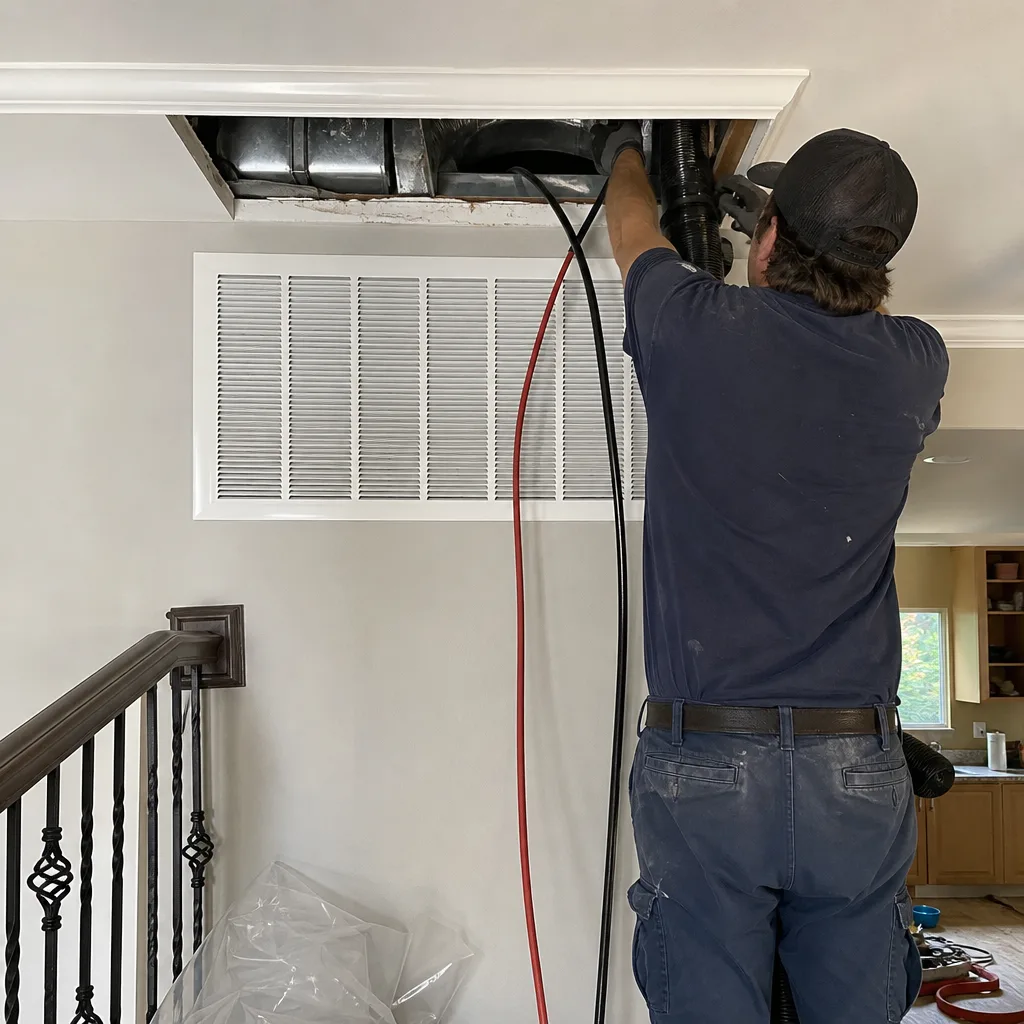
That "$99 whole-house special" is a bait ad - the real number appears once they are in your hallway, or the "clean" is a shop-vac at the register. We photograph the inside of your ducts before and after instead.
 Before
 After
After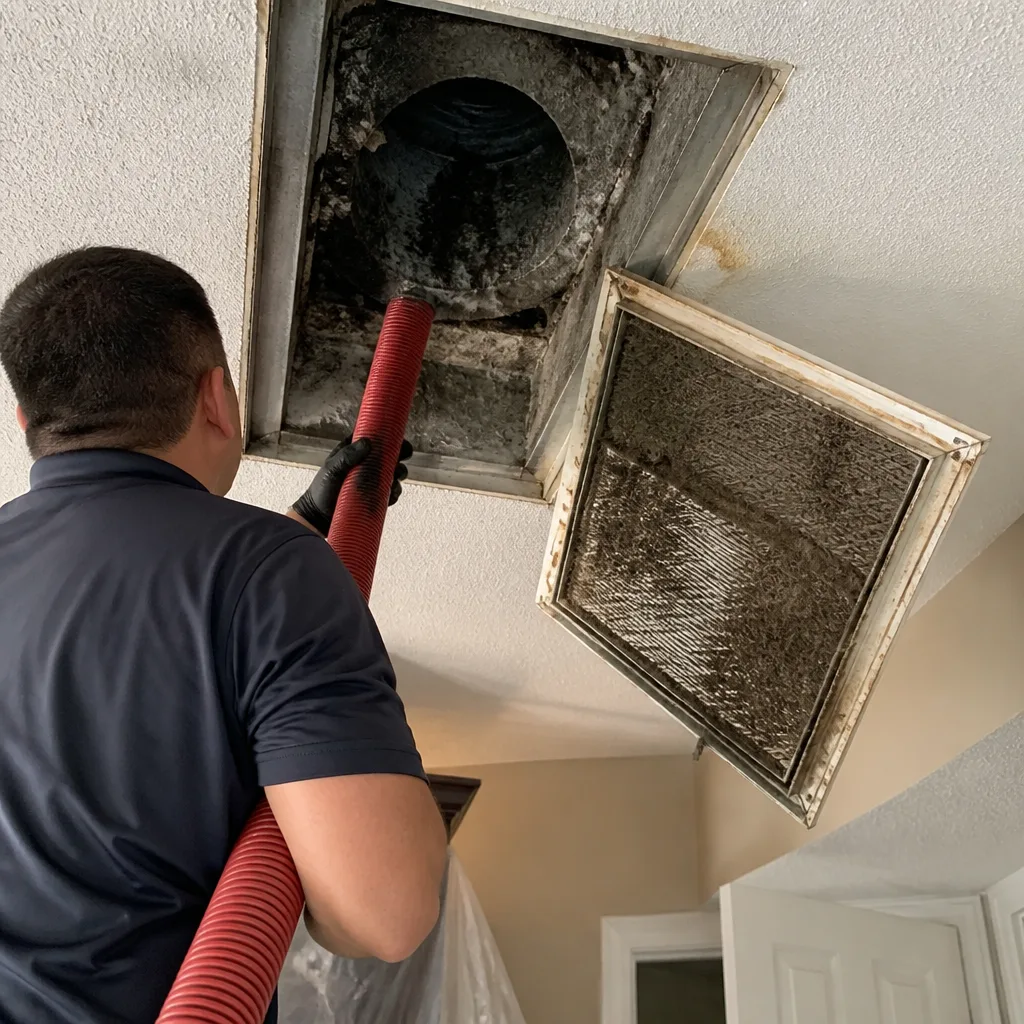 Before
 After
After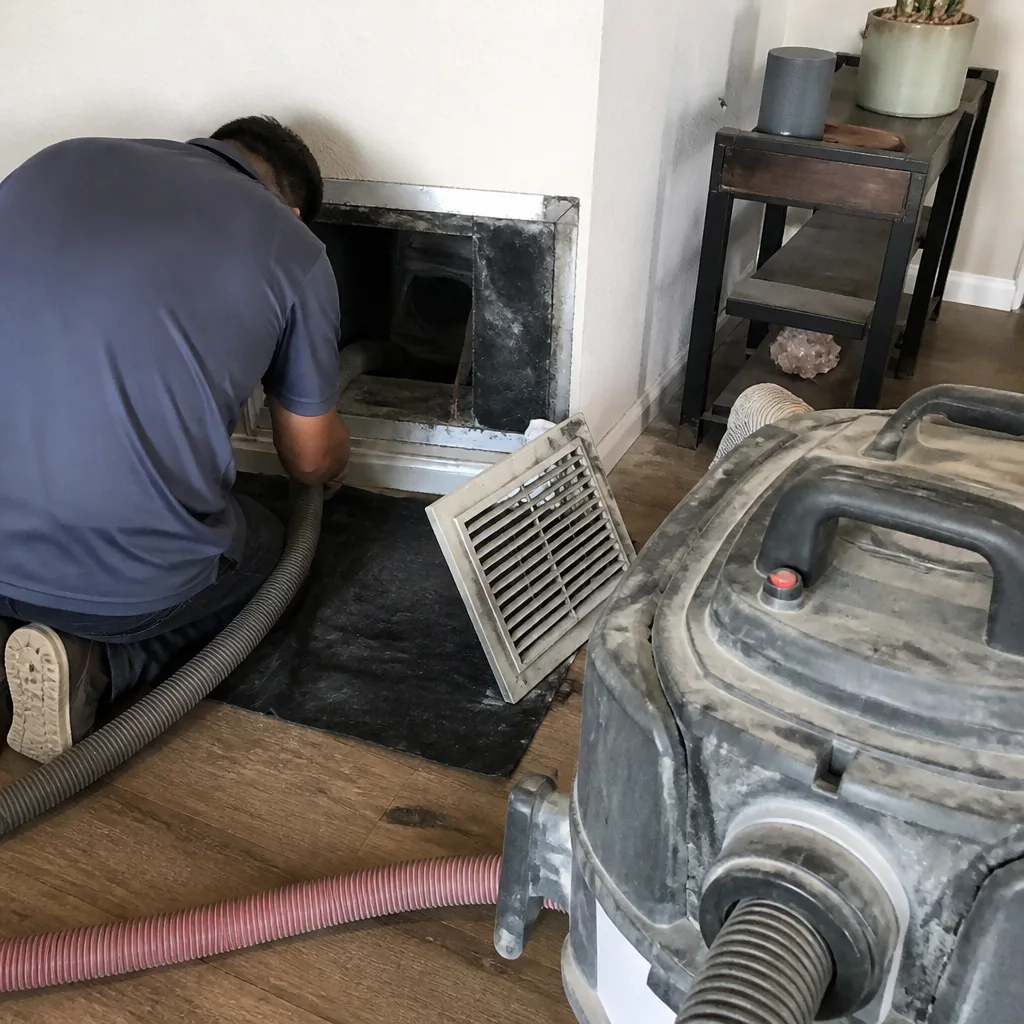 Before
 After
AfterAir Duct Cleaning Cost Breakdown: The Plano Homeowner’s Reference for 2026
A $79 duct cleaning in a 2,400-square-foot Plano home with 20 supply vents, 6 returns, and an accessible plenum takes roughly 4-6 labor hours to do correctly. At any reasonable labor rate, that math doesn’t work, and something is being skipped. In this guide and our Air Duct Cleaning Maintenance Checklist for Plano Homeowners, we’ll publish the actual cost inputs for residential duct cleaning in Plano so you can evaluate any quote against what the work requires, not against a coupon designed to get a technician in the door. You’ll learn how labor hours, equipment type, vent count, and access difficulty combine into a fair price, which add-ons are legitimate versus upsell tactics, and how to compare per-vent, flat-rate, and square-footage quotes on equal footing.
Quick Answer
Professional air duct cleaning in Plano costs between $450 and $1,200 for most single-family homes in 2026, with the typical 2,000-2,500 square foot home falling in the $550-$850 range. The final price depends on total vent count, whether your system uses attic-run flex duct (common in Plano’s post-2000 builds), and whether the job requires portable equipment or truck-mounted negative-pressure extraction. Any quote significantly below $400 for a standard home should prompt questions about what labor hours and documentation are actually included.
Table of Contents
- How Labor Hours Drive the Base Price
- Equipment Type: Portable vs. Truck-Mount
- Vent Count, Returns, and Access Difficulty
- Why Plano Homes Cost More (or Less) to Clean
- Legitimate Add-Ons vs. Upsell Tactics
- How to Compare Quotes Apples-to-Apples
- The Documentation You Should Receive
- Common Mistakes to Avoid
BeforeAfterHow Labor Hours Drive the Base Price
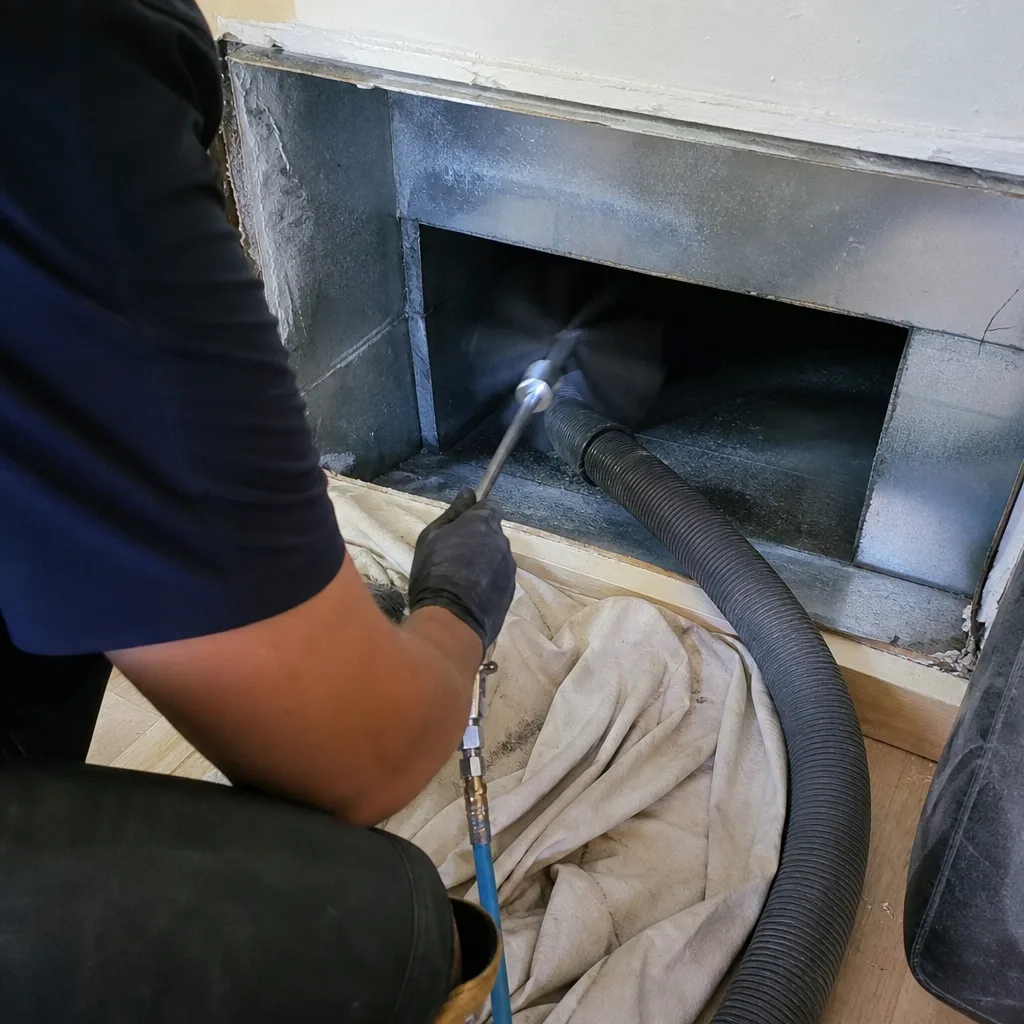
Duct cleaning is a labor-intensive trade. The technician must remove every register, insert a vacuum hose and agitation tool into each duct run (the individual branch of ductwork extending from the main trunk to a room), and verify debris removal with a visual check. A thorough job cannot be rushed without skipping runs or leaving debris behind.
For a typical Plano home, here’s how labor hours break down:
| Home Size | Supply Vents | Return Vents | Estimated Labor Hours | Price Range at $75-$125/hr |
|---|---|---|---|---|
| 1,200-1,600 sq ft | 12-16 | 2-4 | 3-4 hours | $450-$650 |
| 1,800-2,400 sq ft | 16-22 | 4-6 | 4-5.5 hours | $550-$850 |
| 2,600-3,500 sq ft | 22-30 | 6-8 | 5.5-7.5 hours | $750-$1,100 |
| 3,600+ sq ft or multi-zone | 30+ | 8+ | 7-10 hours | $900-$1,400 |
These ranges assume standard access, meaning the air handler (the indoor unit containing the blower and evaporator coil) is in a garage, closet, or basement with clear working space. Crawlspace or attic-mounted systems add 30-60 minutes of access time per location.
The $79 coupon model collapses under this math. Even at minimum wage, 4 hours of labor plus fuel, equipment depreciation, and insurance exceeds $79 before the technician reaches the first register. The industry solution is to complete the job in 45-90 minutes using a shop vacuum at the register openings, never entering the duct system. The customer hears noise, sees a bill, and receives no verification that the interior was cleaned.
At CleanRun Air Duct Cleaning Plano, we quote every job by estimated labor hours based on a vent count and access assessment. The written price arrives before any panel comes off, under Haven Standard Clause 1. No exceptions.
Equipment Type: Portable vs. Truck-Mount
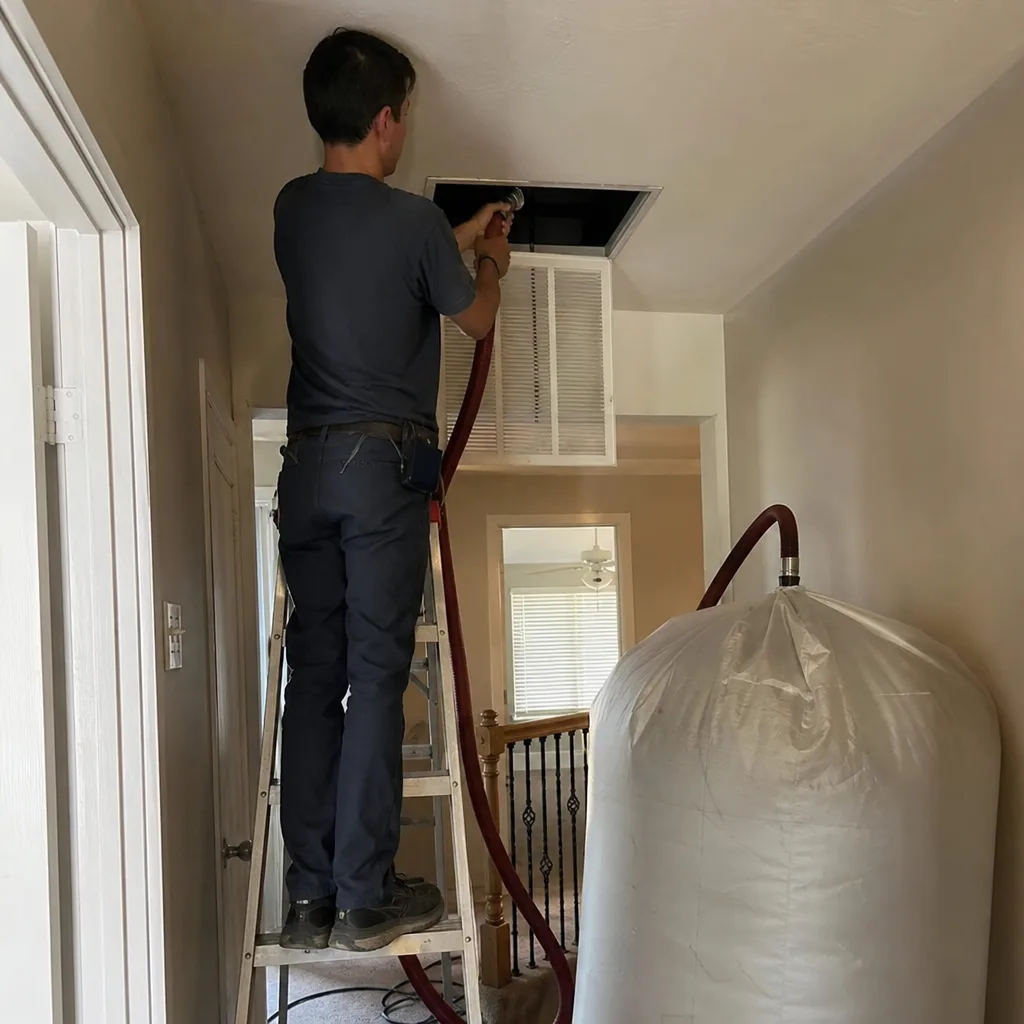
The equipment used affects both cost and result quality. Homeowners in Plano should know what they’re paying for, because different tools produce different outcomes.
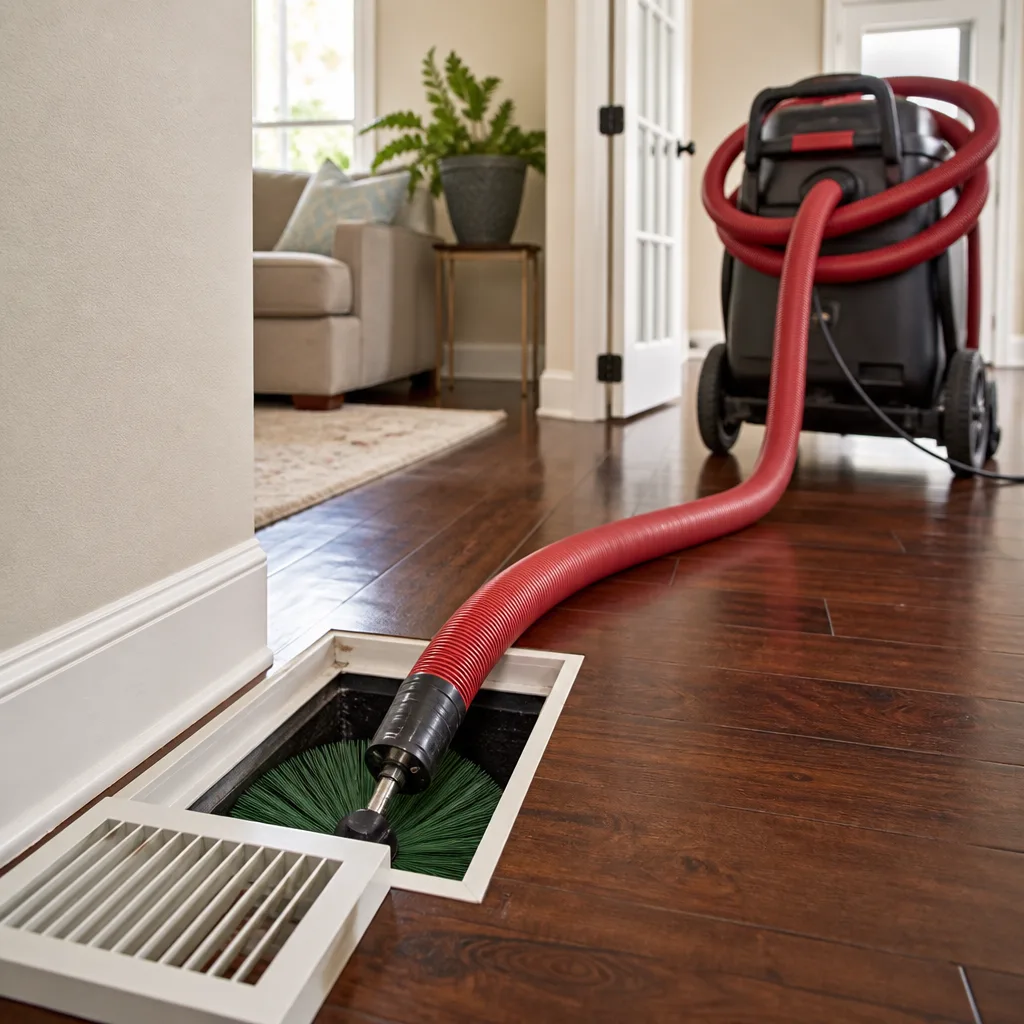
Truck-mounted negative-pressure extraction is the industry standard for thorough cleaning. A gasoline-powered vacuum unit mounted in the service vehicle generates 10,000-15,000 CFM (cubic feet per minute) of suction. The technician connects a large-diameter hose to the plenum (the central distribution box where the main trunk lines meet the air handler), creating negative pressure throughout the system. Agitation tools, brushes, or compressed air whips then dislodge debris, which is drawn out through the vacuum hose rather than pushed into the home.
Truck-mount systems require parking proximity, typically within 75-100 feet of the home. In Plano’s older neighborhoods like Old Towne or Haggard Park, narrow alley access or shared driveways can make truck-mount deployment difficult. In these cases, a portable HEPA-filtered negative-pressure machine is used. Units from Nikro and Abatement Technologies generate 2,000-5,000 CFM, sufficient for residential systems but requiring more time per duct run due to lower airflow volume.
The equipment difference matters for pricing:
- Truck-mount jobs typically carry a $50-$100 equipment surcharge that reflects fuel, maintenance, and the higher initial investment, but they complete faster with superior debris removal
- Portable jobs may cost $25-$75 less in base equipment fees but add 30-60 minutes of labor time, often evening out the total
- Some Plano homes with rooftop package units or attic air handlers require portable equipment regardless, because truck-mount hoses cannot be routed to these locations
We specify which equipment will be used when we deliver our written price. Our portable units are HEPA-filtered and manufactured by Nikro and Abatement Technologies, not converted shop vacuums. The brand and filtration rating are part of the quote documentation.
Vent Count, Returns, and Access Difficulty
Vent count is the most reliable predictor of cleaning cost, yet it’s the variable most often obscured by flat-rate marketing. Here’s how to count your own system and understand what each component adds.
Supply vents deliver conditioned air to rooms. Count every register, including those in bathrooms, closets, and the garage if it’s conditioned. In Plano’s 2015-2022 builds, we’ve seen supply counts range from 14 in compact Willow Bend townhomes to 34 in Preston Hollow Estates five-bedrooms.
Return vents draw air back to the air handler. These are typically fewer but larger, and they often require more cleaning time because they accumulate the most debris. A single central return in a hallway may contain more buildup than three supply vents combined. Returns also frequently require filter grille removal, which adds access time.
Access difficulty factors include:
- Plenum location: Garage-mounted systems in Plano’s Parker and Stonebriar neighborhoods offer straightforward access. Attic-mounted systems in Legacy West condos or older Russell Creek homes require ladder work and confined-space precautions.
- Flex duct vs. rigid metal: Flex duct (the corrugated plastic-sleeved tubing common in post-2000 Plano construction) requires lower suction pressure and more careful agitation to avoid damage. Rigid galvanized steel, found in pre-1995 homes near Downtown Plano, tolerates aggressive brushing but may have internal insulation that flakes and requires special handling.
- Register type: Stamped metal floor registers pop off in seconds. Custom wood or stone inlays in Estates of Willow Bend or Kings Ridge can take 5-10 minutes each to remove without damage.
- Contamination severity: Light dust accumulation adds minimal time. Heavy construction debris, pet hair matting, or mold staining can double the per-run cleaning time.
A legitimate quote accounts for these variables before work begins, not as surprise additions after the technician is inside your home. Our written scope specifies vent count by type, access points, and any anticipated difficulty factors identified during the initial assessment.
Why Plano Homes Cost More (or Less) to Clean
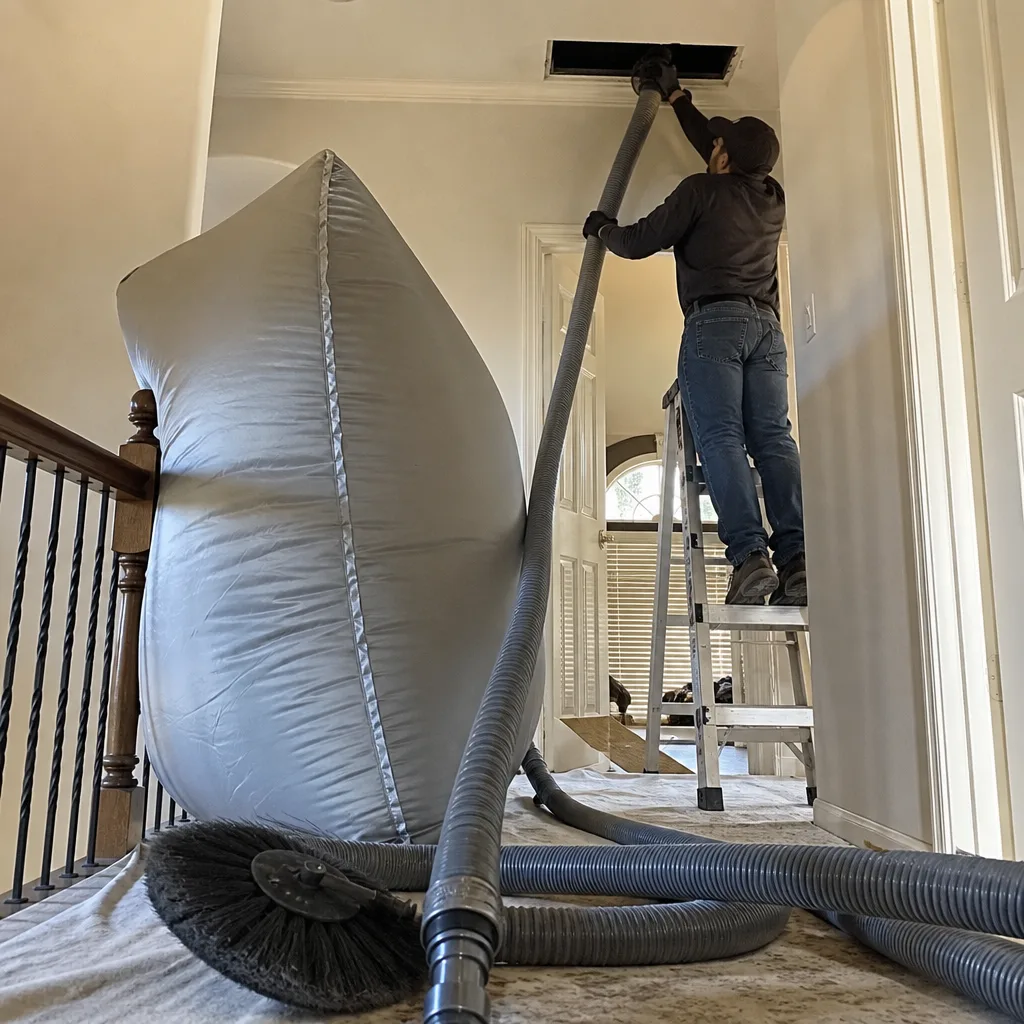
Plano’s housing stock and climate create specific cost drivers that don’t apply uniformly across the Dallas-Fort Worth metroplex, as detailed in our guide to Air Duct Cleaning Permits, Codes & Inspections in TX: What You Need to Know.
Two-story prevalence and attic duct runs: Plano’s rapid growth from 1990-2010 produced thousands of two-story homes with attic-mounted air handlers and flex duct distribution. In summer, attic temperatures in Plano regularly exceed 140°F, accelerating flex duct deterioration and adhesive failure. We’ve found disconnected duct runs in Plano attics at roughly twice the rate of slab-on-grade, single-story homes in neighboring Richardson or Garland. A disconnected duct run must be repaired before cleaning, or debris will simply re-enter the system. This adds $150-$400 per repair location, depending on accessibility.
Construction-era debris: Homes built during Plano’s 2015-2022 boom often have significant drywall dust and construction debris in ducts, even in new purchases. Builders rarely clean duct systems before occupancy. We’ve photographed 2-3 inch debris accumulations at first elbows in three-year-old homes near Windsong Ranch and Trinity Falls. This level of contamination requires extended agitation time and sometimes multiple passes per run.
Hard water and evaporator coil scale: Plano’s water supply averages 180-220 ppm hardness. While this doesn’t directly affect duct cleaning cost, it correlates with evaporator coil condition. A heavily scaled coil restricts airflow, making duct cleaning alone less effective. Coil cleaning is a separate service, but an honest assessment will note when it’s needed for the duct cleaning to deliver its full benefit.
Seasonal demand patterns: Plano’s pollen seasons (March-April and September-October) drive demand spikes. Some operators raise prices 15-25% during these periods. We maintain consistent year-round pricing under Haven Standard Clause 1, though scheduling availability narrows in peak periods.
Factors that reduce Plano costs: Newer homes with accessible garage-mounted systems, standardized register sizes, and no flex duct damage can be at the lower end of our price ranges. The 1,800-square-foot single-story homes in established Plano neighborhoods like Park Forest often represent our most efficient jobs.
Legitimate Add-Ons vs. Upsell Tactics
The duct cleaning industry’s reputation for bait-and-switch pricing is earned through a predictable pattern: quote low, discover “problems” on site, present inflated add-ons with the technician already in the home. Here’s how to distinguish necessary additional work from pressure tactics.
Legitimate add-ons with documented need:
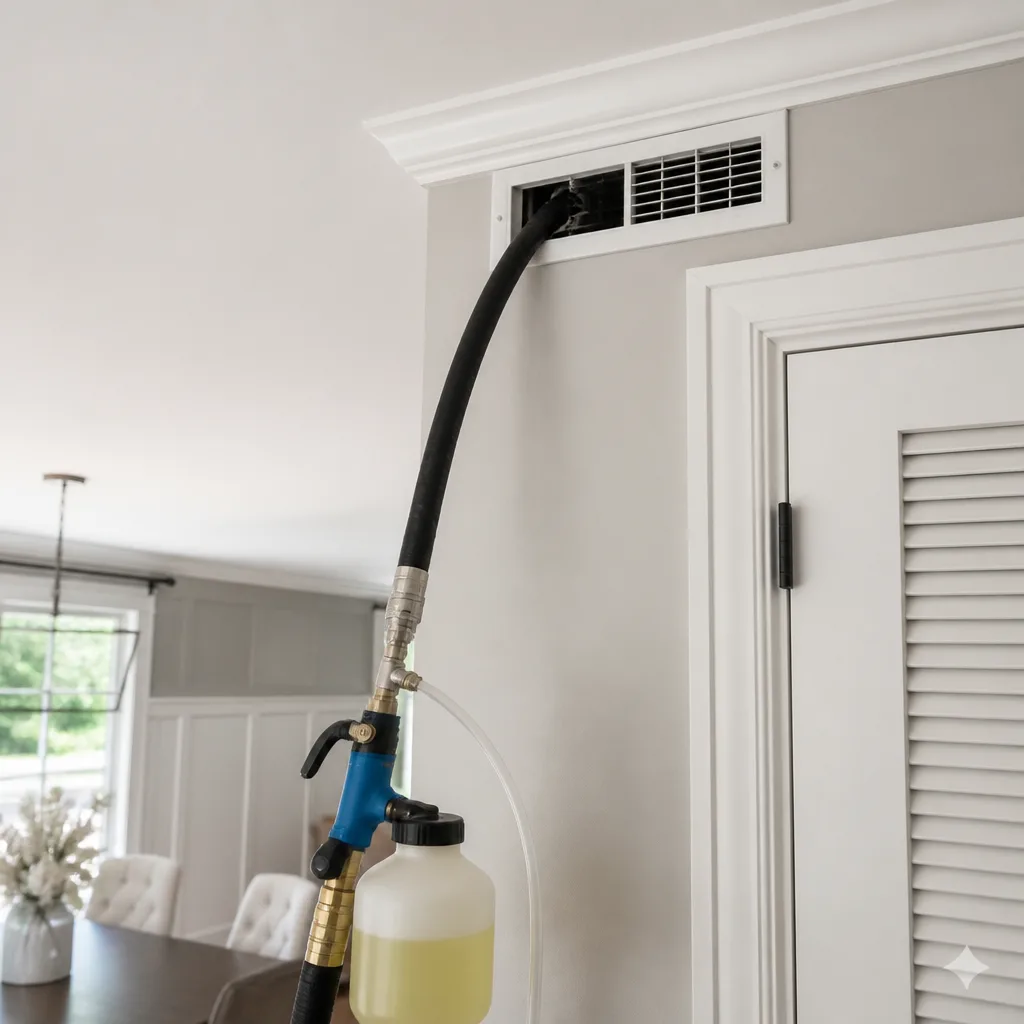
- Sanitizer application: EPA-registered antimicrobial application to duct interiors after cleaning, typically $75-$150 per system. Legitimate when moisture staining or musty odor indicates microbial growth. We use Guardsman-sourced products and document application locations in the photo record. Unnecessary when ducts are simply dusty.
- Additional access panels: Cutting and sealing access ports in rigid ductwork to reach internal debris, $40-$80 per panel. Required when the existing duct design lacks sufficient access for thorough cleaning. We photograph the debris that necessitated the panel before cutting.
- Duct repair and sealing: Reconnecting separated flex duct, sealing leaks with mastic, or replacing damaged sections, $150-$400 per location. Legitimate when visual inspection or pressure testing confirms leakage. In Plano’s attic flex systems, this is often necessary but should be identified and priced before work begins, not “discovered” mid-job.
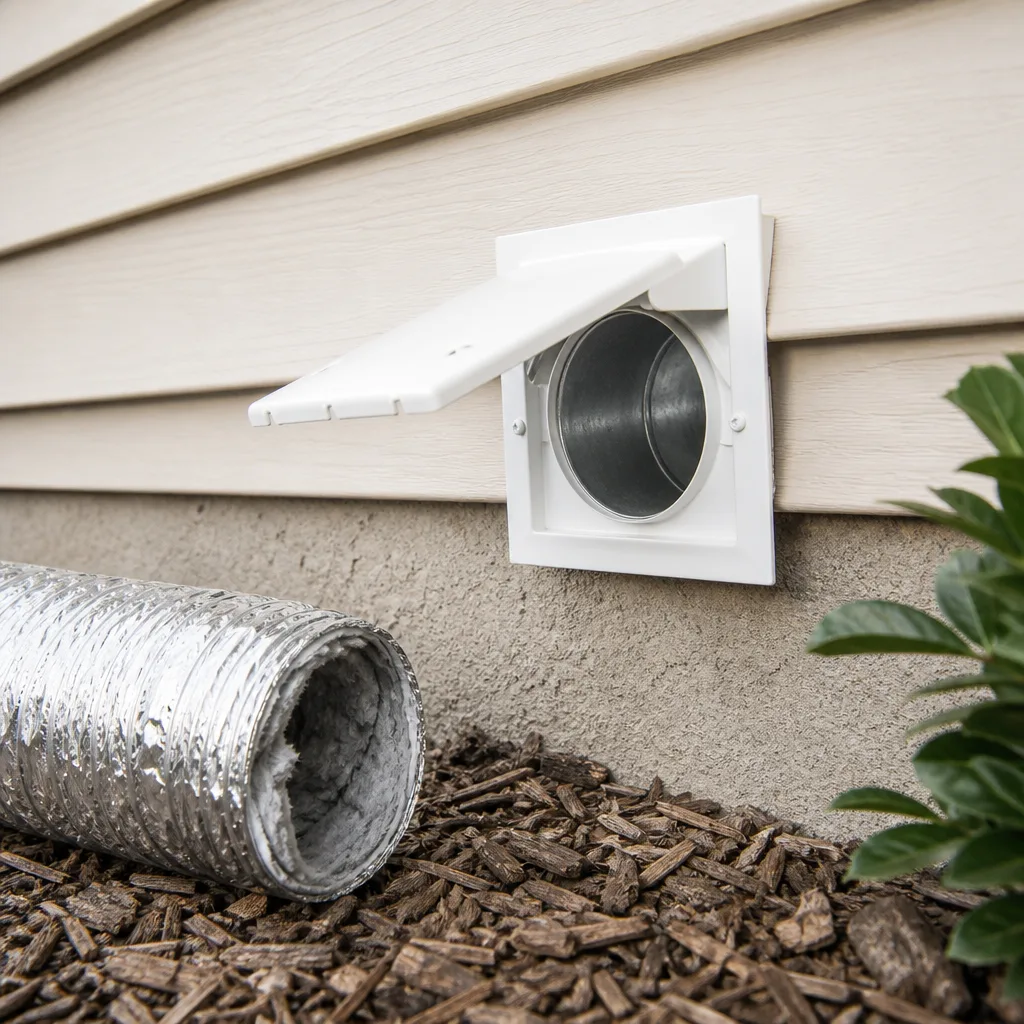
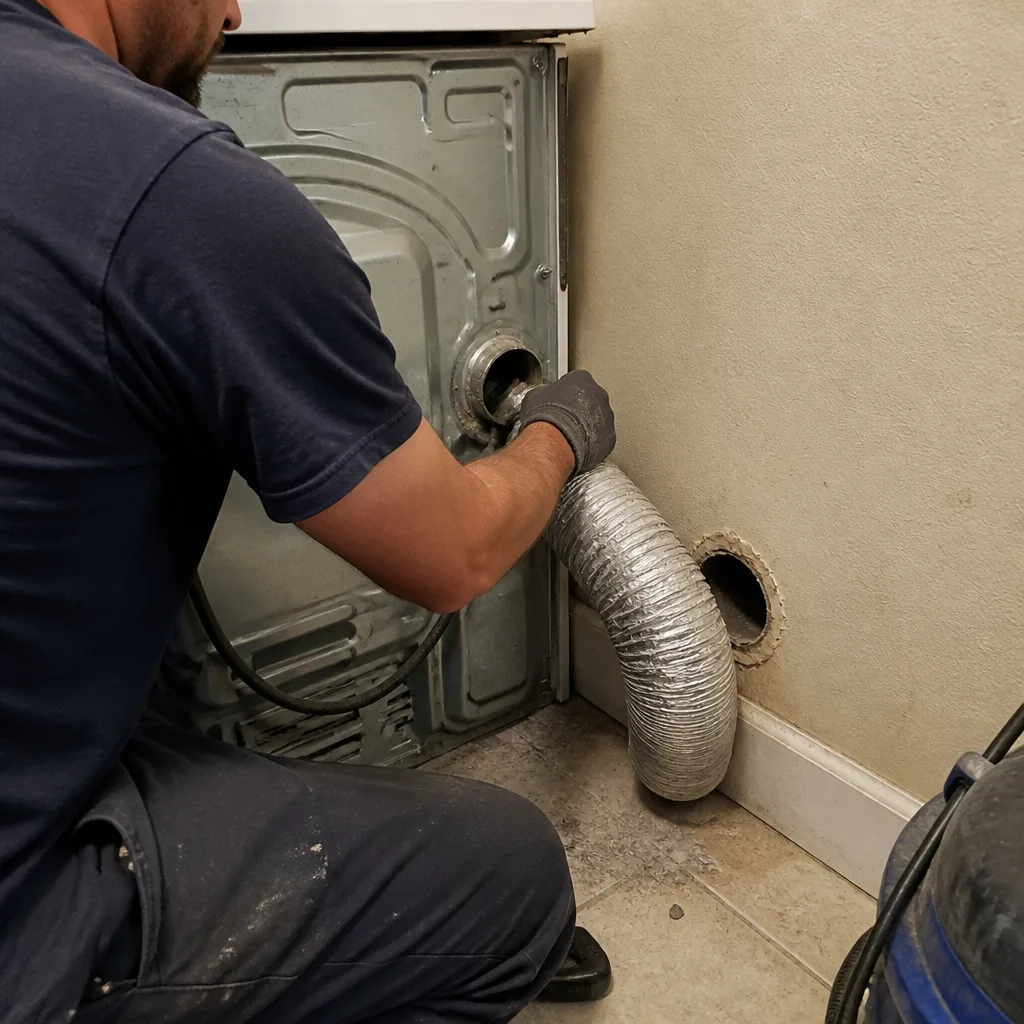
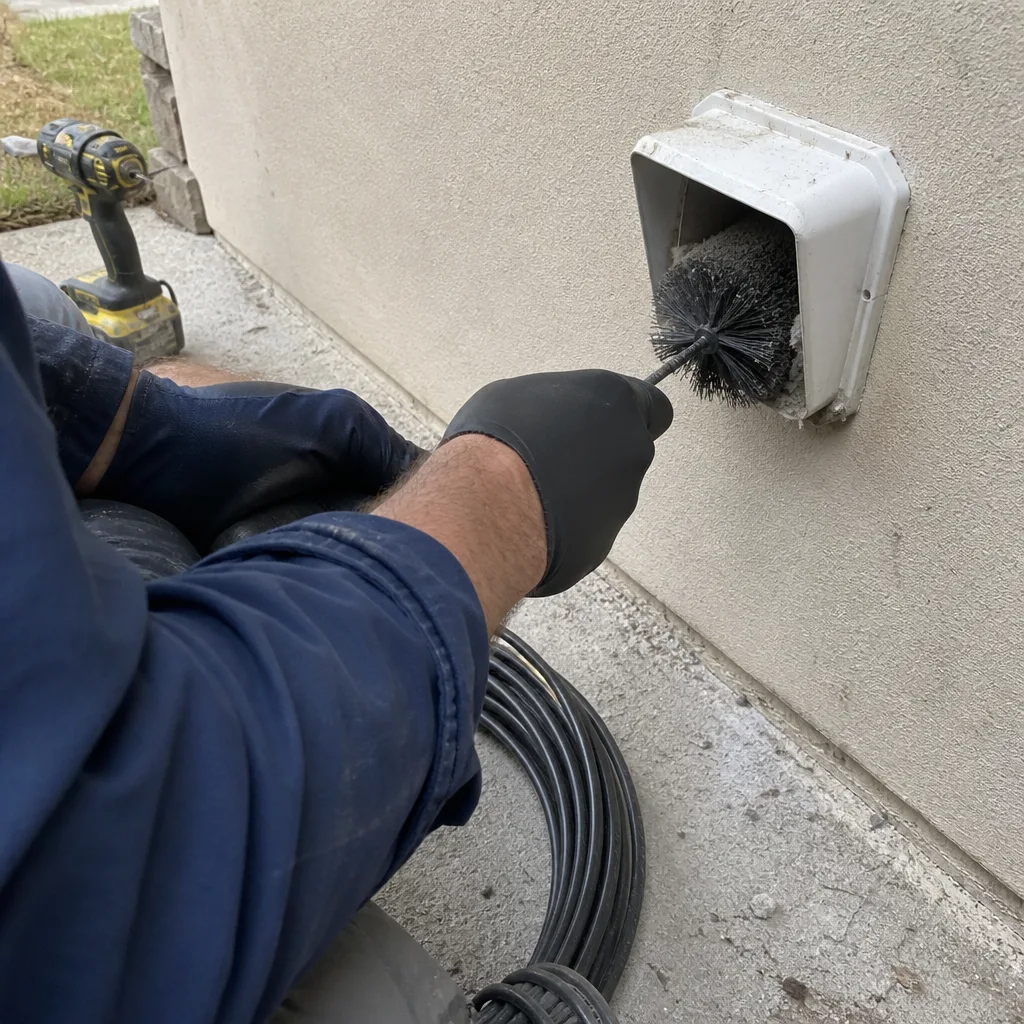
- Dryer vent cleaning: Separate from HVAC ductwork but frequently needed in the same home, $120-$200. We offer this as a distinct service with its own written scope; Dryer Vent Cleaning in Plano details our approach.
Upsell tactics to question:
- “Mold” identified by visual inspection only, without laboratory sampling. Mold requires moisture, and dormant spores in dust are common and typically harmless. Demand photographic evidence and, for significant claims, independent lab verification.
- “Biofilm” or “bacterial coating” described in vague terms without specific location documentation. These terms sound technical but often lack measurable meaning.
- Per-vent pricing that doubles or triples from the advertised rate based on “additional returns” that were visible at the initial walkthrough.
- Coil cleaning presented as mandatory for duct cleaning warranty validity. These are separate systems with separate maintenance needs.
Our standard: every additional cost is identified in the initial written scope, with the condition that justified it photographed and explained before any add-on work proceeds. No verbal mid-job pricing changes. This is Haven Standard Clause 1 in practice.
How to Compare Quotes Apples-to-Apples
Plano homeowners receive quotes in three common structures, and comparing them directly requires a single conversion calculation.
Per-vent pricing: Advertised as “$X per supply vent, $Y per return.” Common in coupon marketing. The trap: the low advertised rate applies to a minimum vent count, with “additional” vents at higher rates. A 20-vent home quoted at “$39 per vent” becomes $780 when the fine print reveals returns cost $89 and the home has 6 returns, not the 2 in the base rate.
Flat-rate pricing: “Whole-house duct cleaning: $599.” Clean and simple, but opaque. What vent count does this cover? What equipment? What documentation? Flat rates work when the scope is specified in writing; they’re dangerous when the scope is verbal or implied.
Square-footage pricing: “$0.25 per square foot.” Correlates roughly with vent count in standard construction but fails in homes with high vent density (custom builds) or low density (open-concept designs with fewer, larger rooms).
The conversion: Divide every quote by total vent count (supplies + returns) to get cost per vent. Then verify what’s included at that per-vent rate:
- Does the quote include before-and-after photography of every duct run, or a single “representative” photo?
- Is the equipment specified (truck-mount vs. portable, HEPA filtration yes/no)?
- Are access difficulty factors (attic work, custom registers) priced separately or included?
- What completion documentation is delivered: written scope, photo record, warranty terms?
- Is the technician background-checked and identified by name before arrival (Haven Standard Clause 3: Verified Crews)?
A $600 quote with full documentation, specified equipment, and verified crews is not equivalent to a $400 quote with none of these, even if the vent count is identical. The $200 difference is the cost of accountability.
For homeowners evaluating HVAC Cleaning in Plano, the same comparison framework applies to coil, blower, and plenum cleaning services.
The Documentation You Should Receive
The final cost of duct cleaning includes not just the service performed, but the record of what was done. A job without documentation leaves you with no recourse if problems emerge, no proof for home sale disclosure, and no verification that the work matched the quote.
At minimum, you should receive four documents:
- Written scope before work begins: Vent count by type, equipment specified, access points noted, base price and any identified add-ons itemized. This is your contract. If it’s not in writing, it’s not agreed.
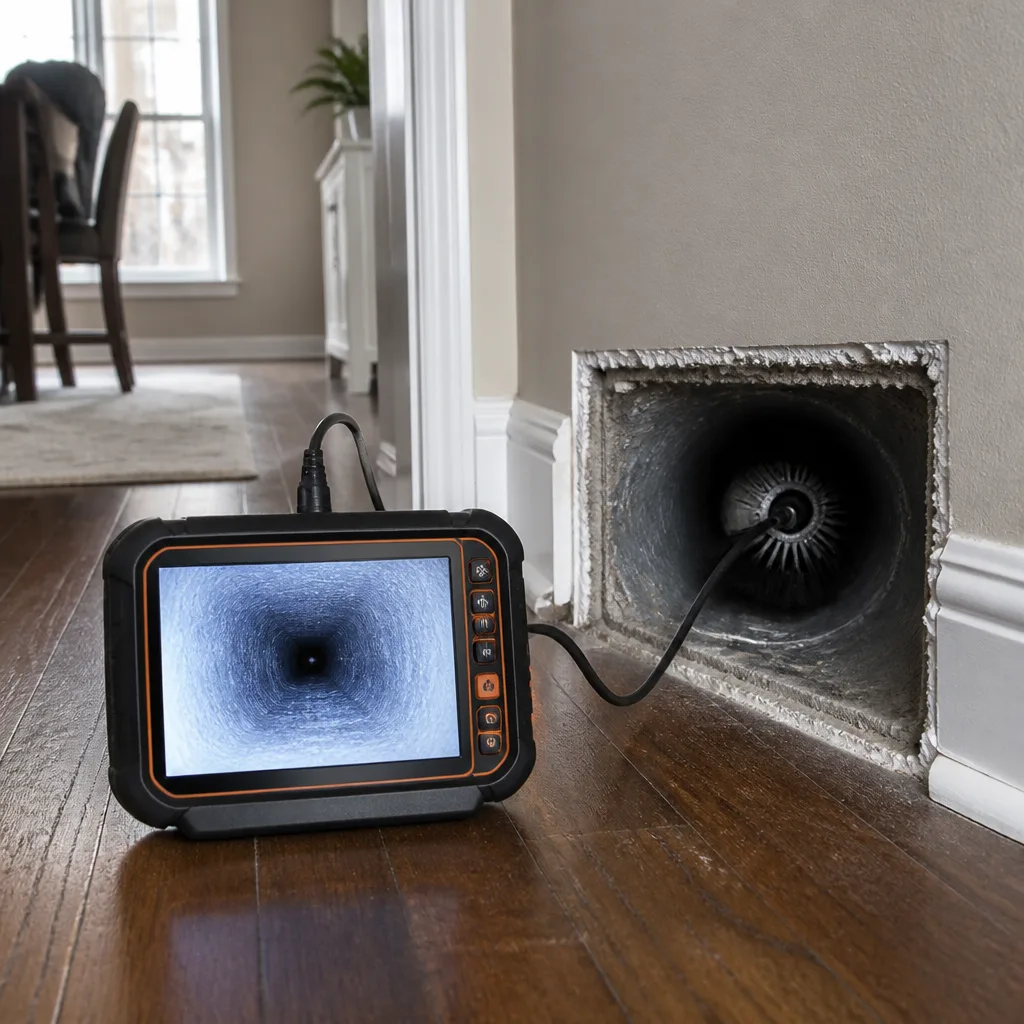
- Before photographs per duct run: Not one representative image, but interior views of each supply and return run showing pre-cleaning condition. We deliver these as part of our standard Documented Photo Record, a practice we’ve held since our first job in 2013. The camera shows a 3-inch debris build-up at the first elbow, or it shows light dust accumulation. Either way, you see what we saw.
- After photographs per duct run: Verification that debris was removed, not just pushed past the camera’s view. We photograph the same locations post-cleaning.
- Written completion record: Date, technician name, equipment used, services performed, any anomalies found (disconnected duct, water staining, filter condition), and warranty terms. Our completion record includes the 365-Day Done Right Promise in writing, not as a website claim.
A competitor who cannot or will not produce these four documents is selling a visit, not a documented service. The cost savings of undocumented work are real, but they disappear when you need to prove the service occurred, dispute a result, or sell your home and disclose maintenance history.
Our Documented Photo Record is included on every visit at no additional charge. It’s not an upgrade. It’s how we verify that our work is real, not vacuum noise.
Common Mistakes to Avoid
- Booking by coupon price alone. The $79 special in Plano’s competitive market is a customer acquisition cost, not a sustainable service price. The business model requires upselling or skimping. Calculate the labor hours your home requires and ask how they’re covered.
- Accepting verbal scope changes mid-job. Any legitimate additional need can be photographed, explained, and documented in a written amendment before work proceeds. Pressure to decide immediately is a tactic, not a necessity.
- Ignoring equipment specification. A shop vacuum with a 2-inch hose at the register opening is not negative-pressure extraction. Ask for the equipment brand and model, then verify its purpose. We name our Rotobrush, Nikro, and Abatement Technologies equipment so customers can look it up independently.
- Assuming new homes are clean. In Plano’s recent construction, we’ve documented significant debris in homes under two years old. Builder turnover schedules rarely include duct cleaning. Don’t skip inspection based on home age.
- Neglecting return vent count in comparisons. Returns are fewer but dirtier and more time-consuming. A quote based on supply vents only will increase when the technician counts your returns on site.
- Failing to verify technician identity. Under Haven Standard Clause 3: Verified Crews, we background-check and identify technicians by name before arrival. Unvetted personnel in your home is a liability risk that no price savings justifies.
When to Call a Professional
Schedule duct cleaning when you can document visible debris at registers, persistent dust accumulation despite filter changes, uneven airflow between rooms, or musty odors when the system runs; see more guides & resources for additional maintenance timing tips. In Plano’s climate, homes with pets, recent construction, or occupied by allergy-sensitive residents benefit from more frequent assessment, typically every 3-5 years for standard households.
Avoid DIY duct cleaning attempts. The agitation tools and negative-pressure equipment required for thorough work are not available for consumer rental at sufficient specification. More critically, disturbing debris without proper containment and filtration releases particles into living spaces. The EPA notes that inadequate cleaning methods can increase indoor particulate levels. For homes with flex duct systems, particularly Plano’s attic-run installations, improper technique can damage ductwork and create costly leaks.
CleanRun Air Duct Cleaning Plano offers free estimates in Plano. We’ll assess your system, count your vents, identify access factors, and deliver a written price before any work begins. Call (469) 452-7766.
Frequently Asked Questions
Most Plano homeowners pay between $550 and $850 for a complete residential duct cleaning in 2026, based on typical 2,000-2,500 square foot homes with 16-22 supply vents and 4-6 returns. Two-story homes with attic flex duct systems, common in Plano’s post-2000 construction, often fall at the higher end due to additional access time and potential repair needs. Call (469) 452-7766 for a written estimate specific to your home.
Low quotes typically exclude necessary labor hours, use inadequate equipment, or omit documentation. A $79-$199 price cannot cover 4-6 hours of professional labor, truck-mount equipment operation, insurance, and proper waste disposal. The result is either a rushed job with shop-vacuum surface cleaning or a mid-job upsell to reach a viable total. Convert every quote to cost-per-vent with full scope documentation to compare fairly.
Demand before-and-after photographs of every duct run, not a single representative image. The photo record should show interior duct conditions at multiple locations per run, with timestamps if possible. A written completion record naming the technician, equipment used, and services performed provides additional verification. Without this documentation, you have no evidence that the interior ductwork was accessed.
Every 3-5 years for most Plano homes, with shorter intervals for homes with multiple pets, recent construction or renovation, occupants with respiratory sensitivities, or visible mold conditions. Homes in Plano’s newer developments with ongoing construction nearby may need more frequent assessment due to airborne particulate loading. Annual filter changes and visual register inspections help determine when professional cleaning is warranted.
Neither structure is inherently superior; both can be transparent or deceptive. The critical factor is whether the full scope is specified in writing before work begins. Per-vent pricing should include all vent types at stated rates with no minimums or hidden return-vent surcharges. Flat-rate pricing should specify the vent count covered, equipment type, and any excluded conditions. Convert either structure to total cost divided by total vents for comparison.
Every CleanRun job is backed by the 365-Day Done Right Promise in writing. If the work is not right, we make it right. This is a written guarantee delivered as part of the job completion record, not a website claim subject to manager approval. The promise applies to workmanship and documentation accuracy, not to new contamination events after completion.
The Bottom Line
Air duct cleaning pricing in Plano becomes transparent when you understand the actual cost inputs: labor hours by home size and vent count, equipment type and its capability, access difficulty specific to your home’s construction, and the documentation that verifies the work. The $79 coupon model fails basic arithmetic, and the difference between a documented professional job and vacuum noise is measurable in photographs, written scopes, and accountability. Convert any quote to cost-per-vent with full scope specification, verify equipment brands and technician credentials, and demand the four-document record that proves the work occurred. The price you pay should purchase not just cleaner ducts, but proof that they’re clean.
Written by Tomas Reyes, Owner at CleanRun Air Duct Cleaning Plano, serving Plano since 2013.