
Last updated September 23, 2026
Whole-system duct and dryer vent check with before-and-after photos - you see exactly what came out of your vents
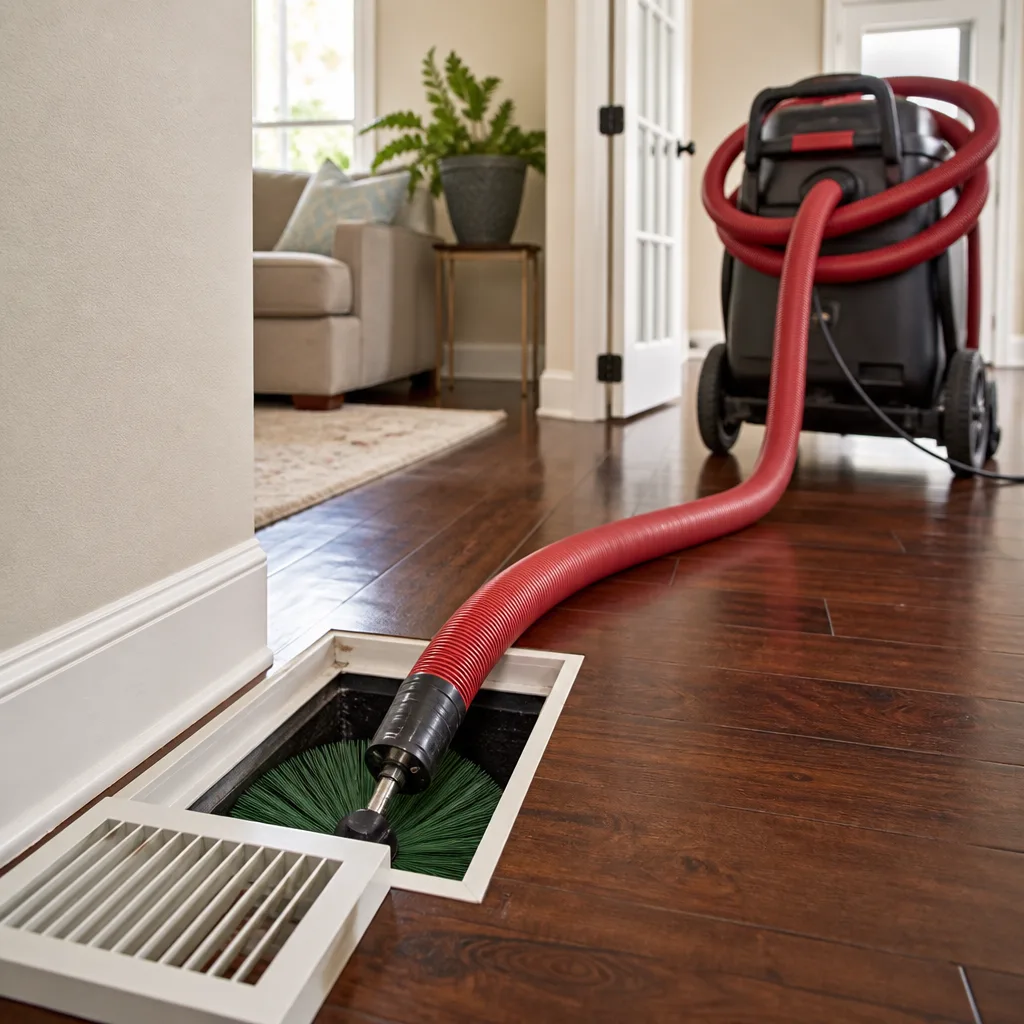
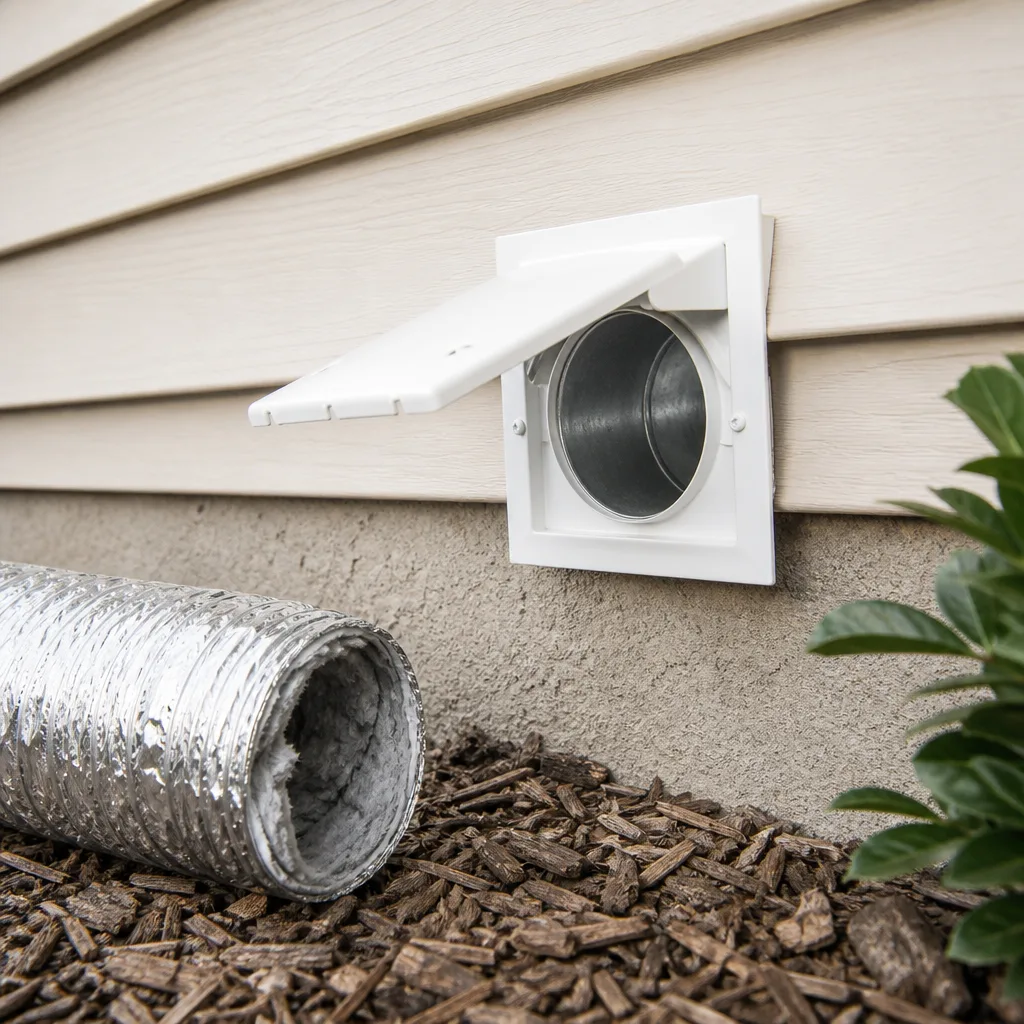
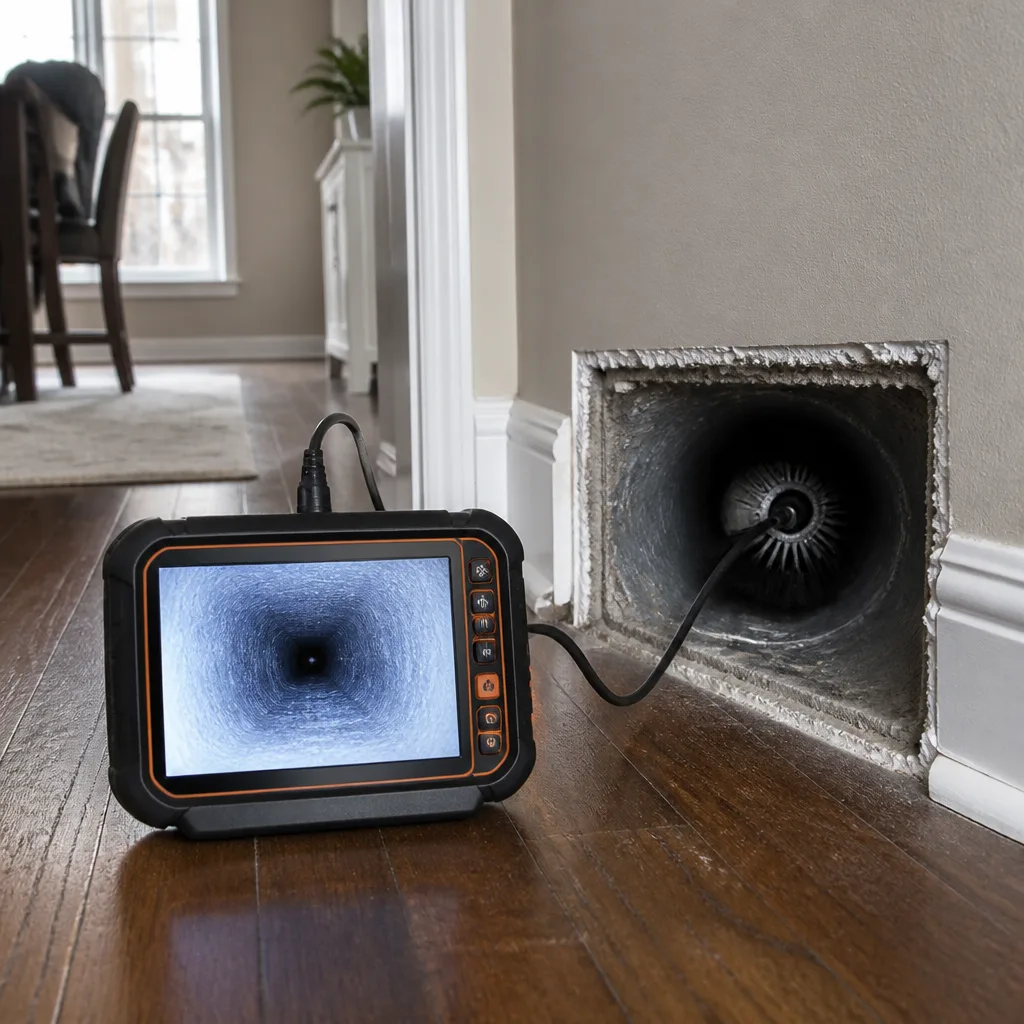
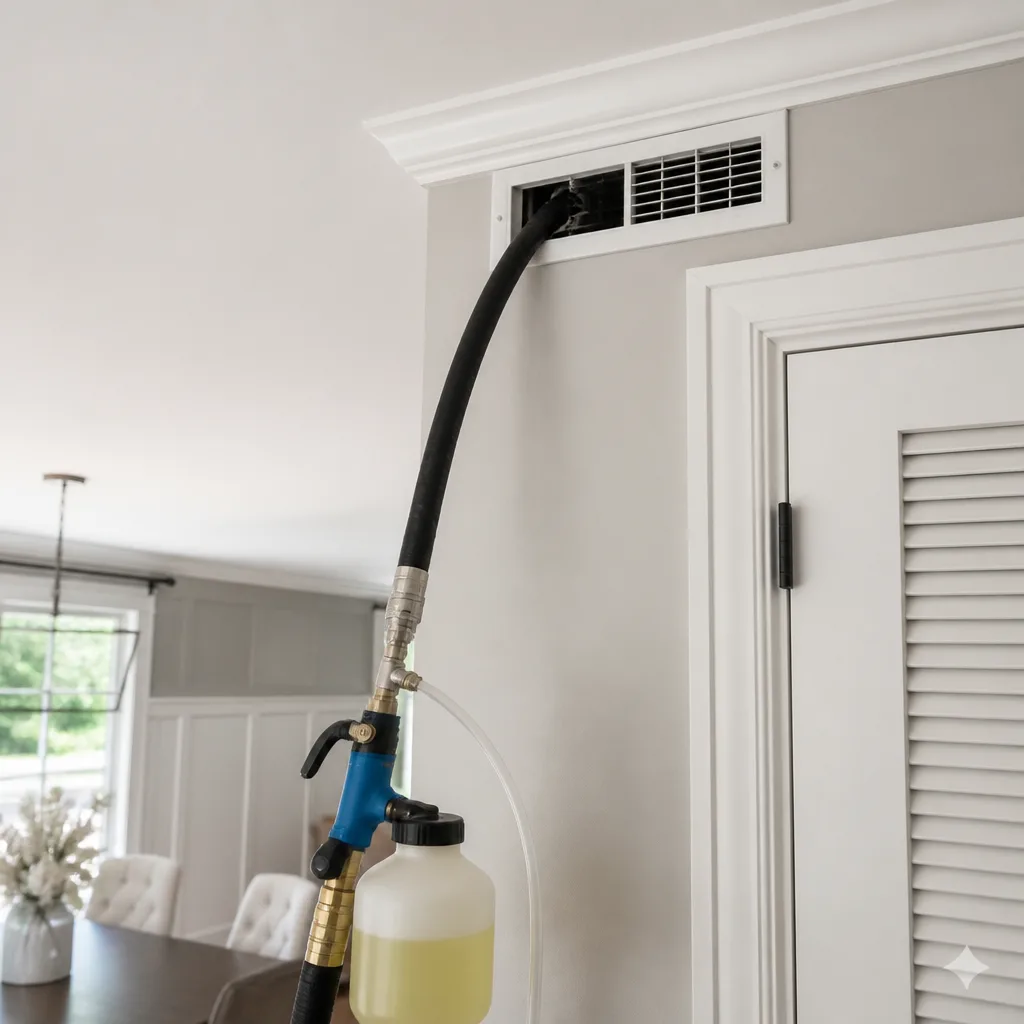
That "$99 whole-house special" is a bait ad - the real number appears once they are in your hallway, or the "clean" is a shop-vac at the register. We photograph the inside of your ducts before and after instead.
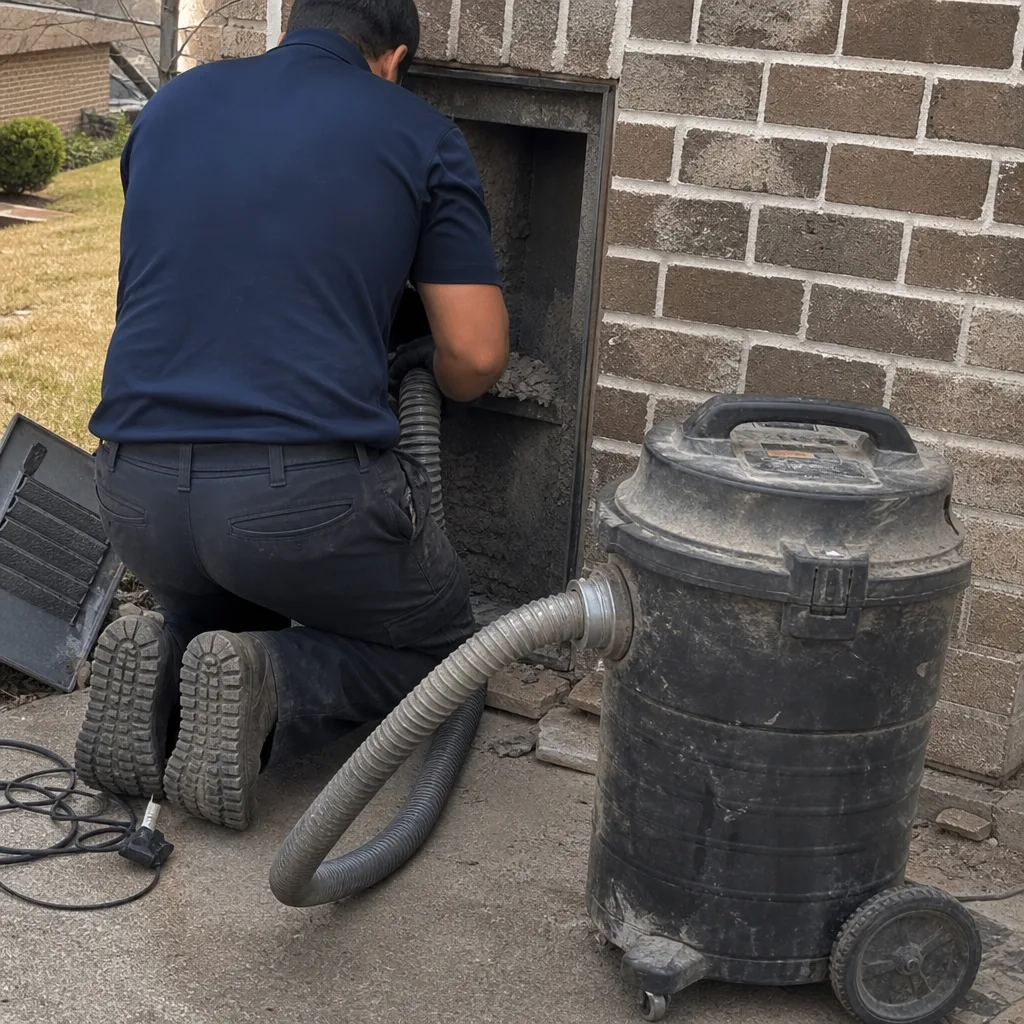 Before
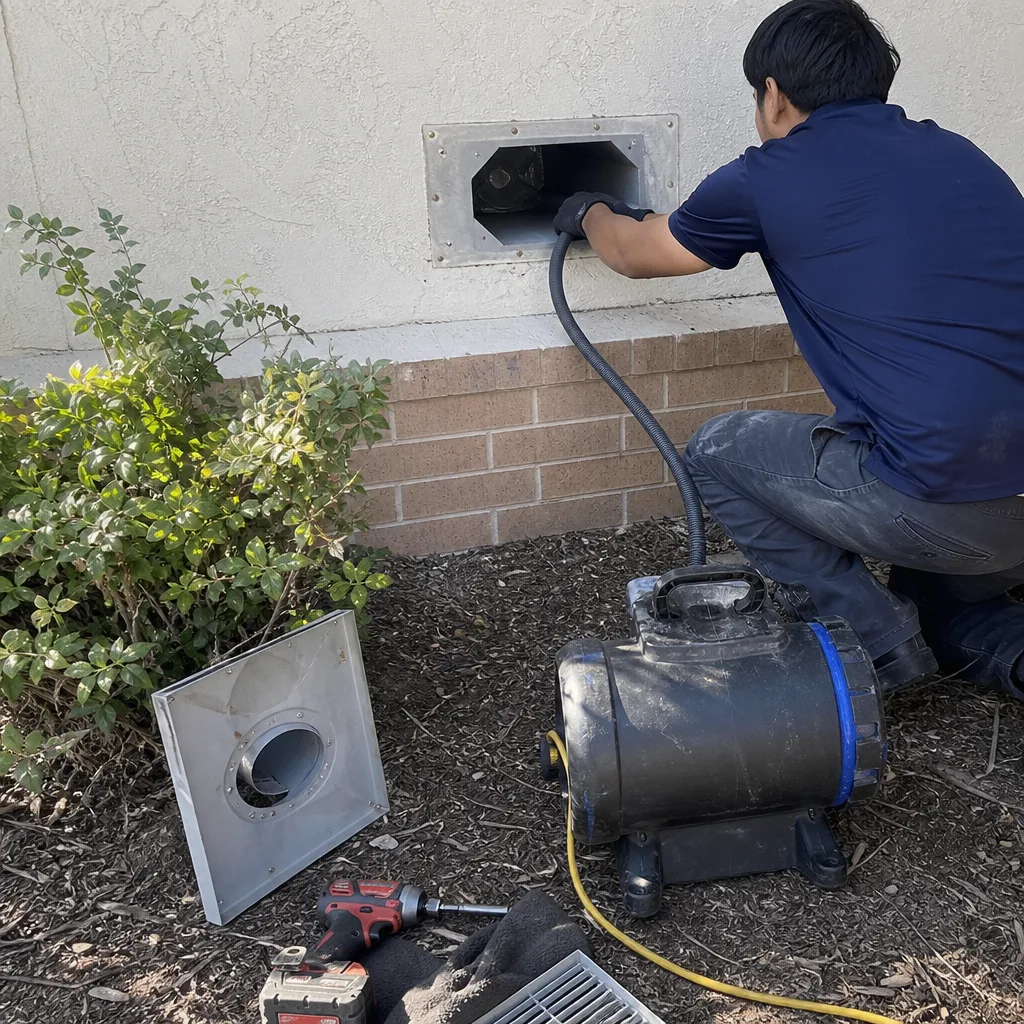 After
After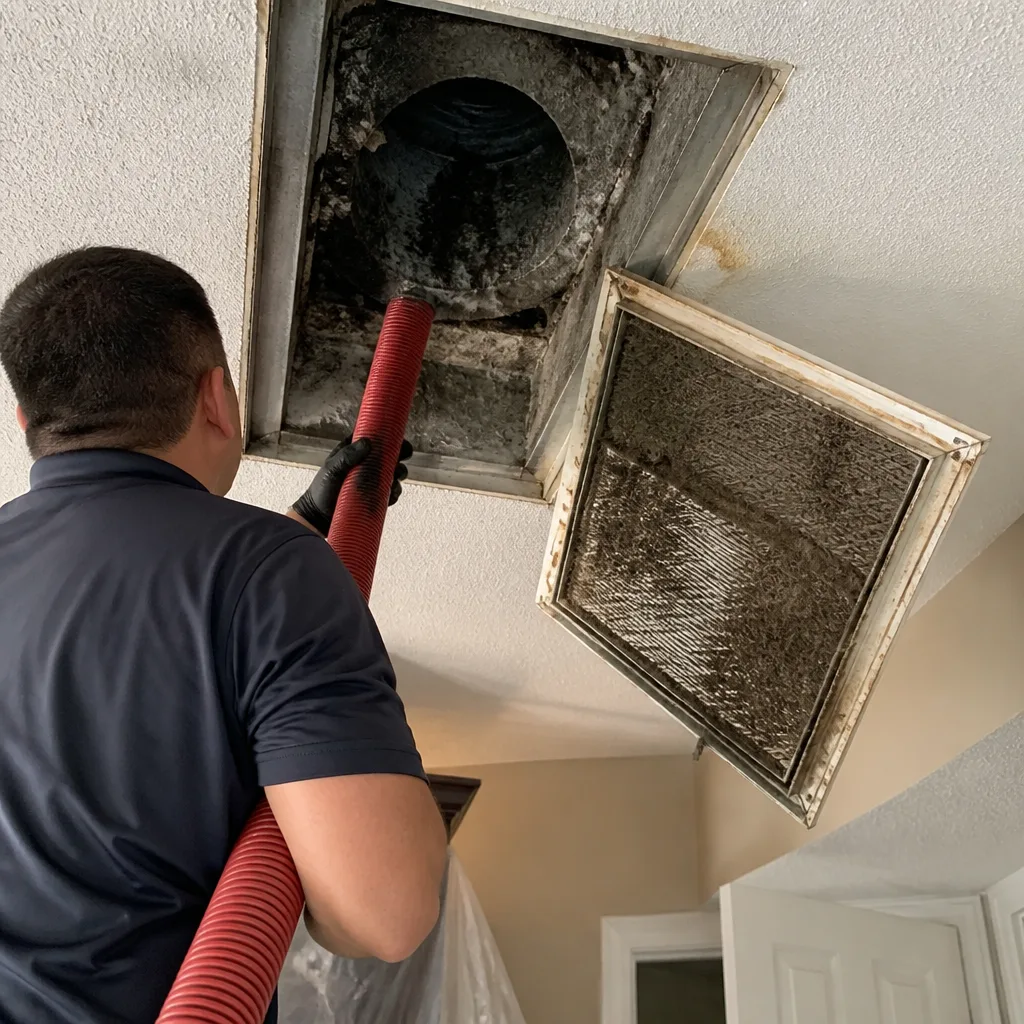 Before
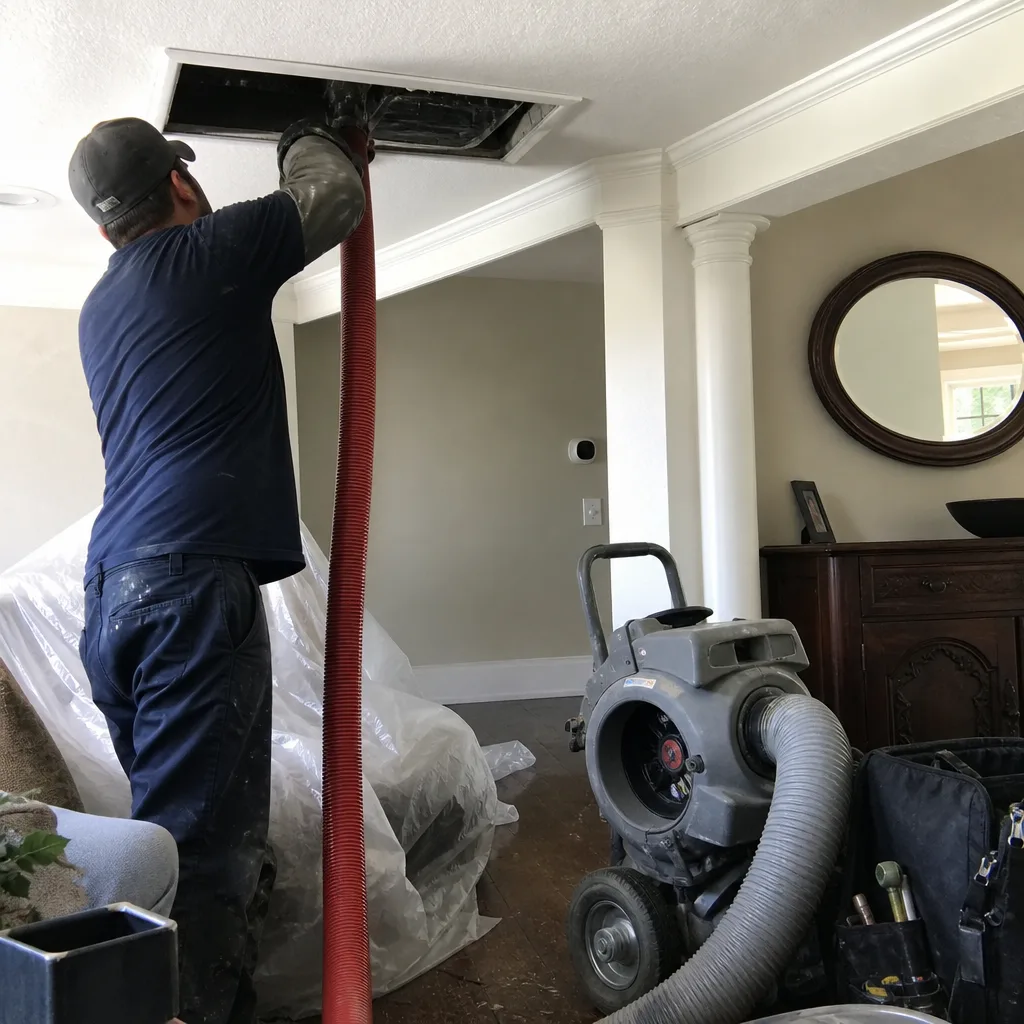 After
After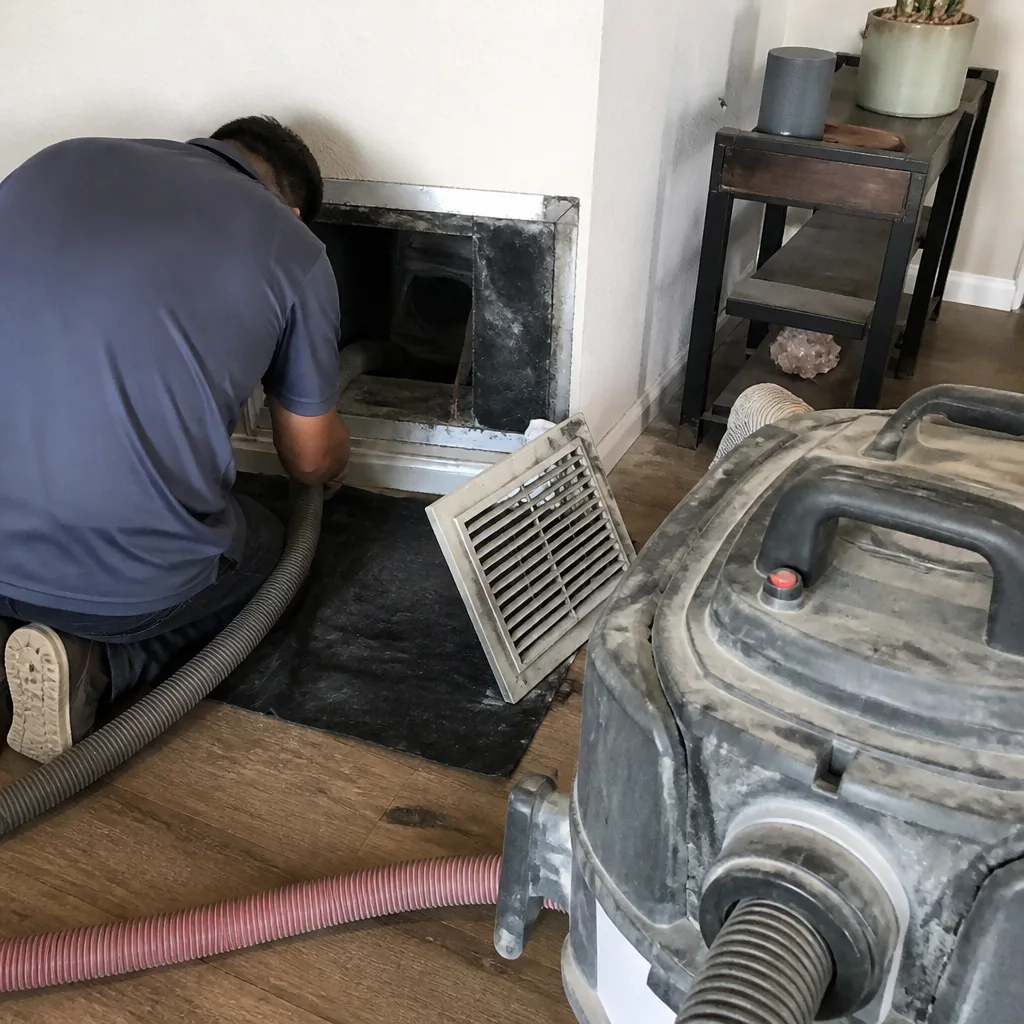 Before
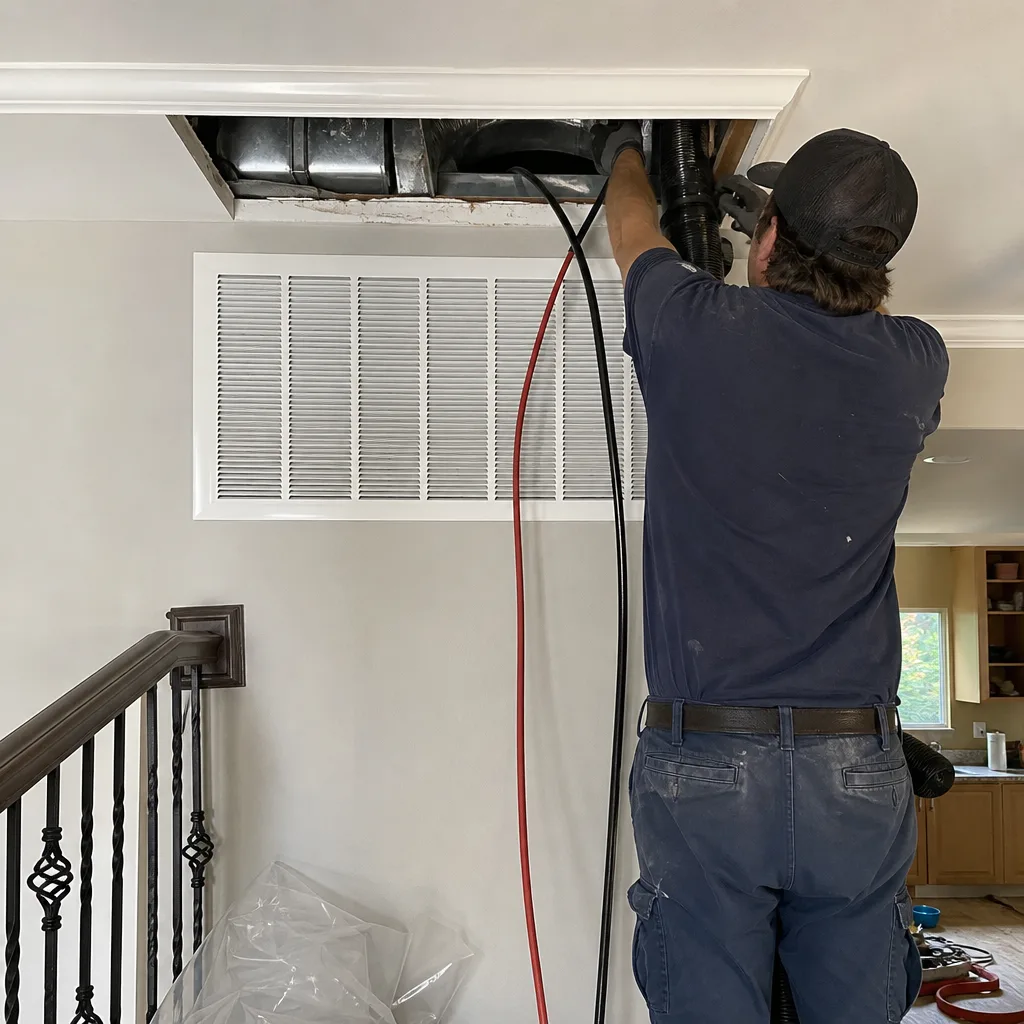 After
AfterAir Duct Cleaning Permits, Codes & Inspections in TX: What You Need to Know
Here’s the distinction most homeowners in Plano never hear until it’s too late: air duct cleaning itself requires zero permits in Texas, but the moment a technician cuts into your ductwork, installs an access panel, or applies mastic sealant to a disconnected joint, that work likely requires a mechanical permit under the Texas Mechanical Code. In our experience across more than 52,000 homes since 2013, we’ve seen competitors sell “cleaning” visits that included unpermitted modifications, leaving homeowners with undocumented alterations that surface during insurance claims or pre-sale inspections. This guide-along with our The Complete Guide to Air Duct Cleaning in Plano-explains exactly where the regulatory line falls, what Plano’s local amendments require, and how to protect yourself from liability you didn’t know you were accepting.
Quick Answer
Air duct cleaning in Texas does not require a permit. Duct repair, sealing, modification, or any work that alters the mechanical system does require a mechanical permit under the Texas Mechanical Code and Plano’s adopted International Mechanical Code amendments. If a contractor performs repair work during a cleaning visit without pulling permits, the homeowner retains liability for code violations, insurance disputes, and failed resale inspections.
Table of Contents
- Where Cleaning Ends and Permitted Work Begins
- What the Texas Mechanical Code Actually Says
- Plano’s Local Code Amendments and Inspection Requirements
- How Unpermitted Work Affects Insurance and Home Sales
- When Mold Inside Ductwork Crosses Into Regulated Remediation
- What to Demand in Writing Before Work Begins
- What Permit-Pulling Actually Looks Like for Homeowners
- How CleanRun Handles the Cleaning-Repair Boundary
BeforeAfterWhere Cleaning Ends and Permitted Work Begins
The Texas Department of Licensing and Regulation draws a sharp line that many contractors prefer to blur. Understanding this boundary protects you from paying for work that creates hidden liability.
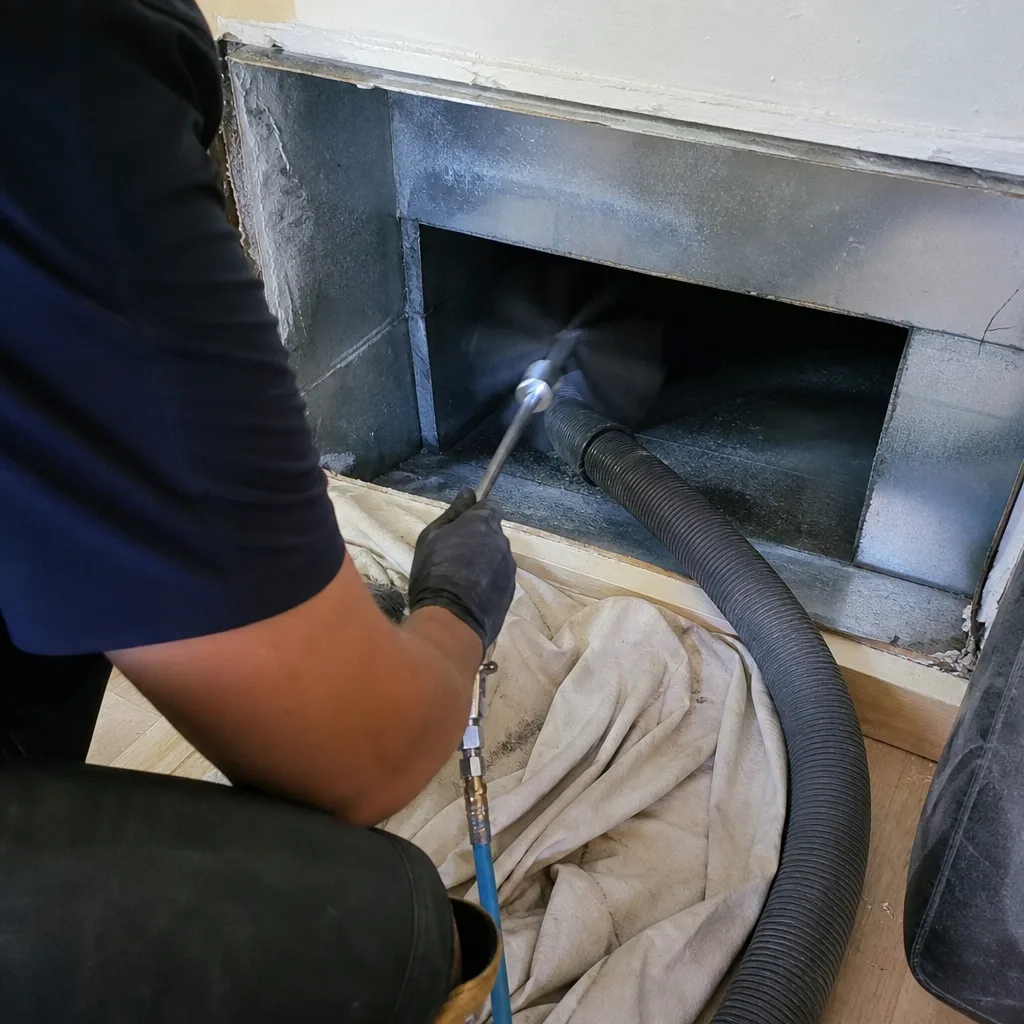
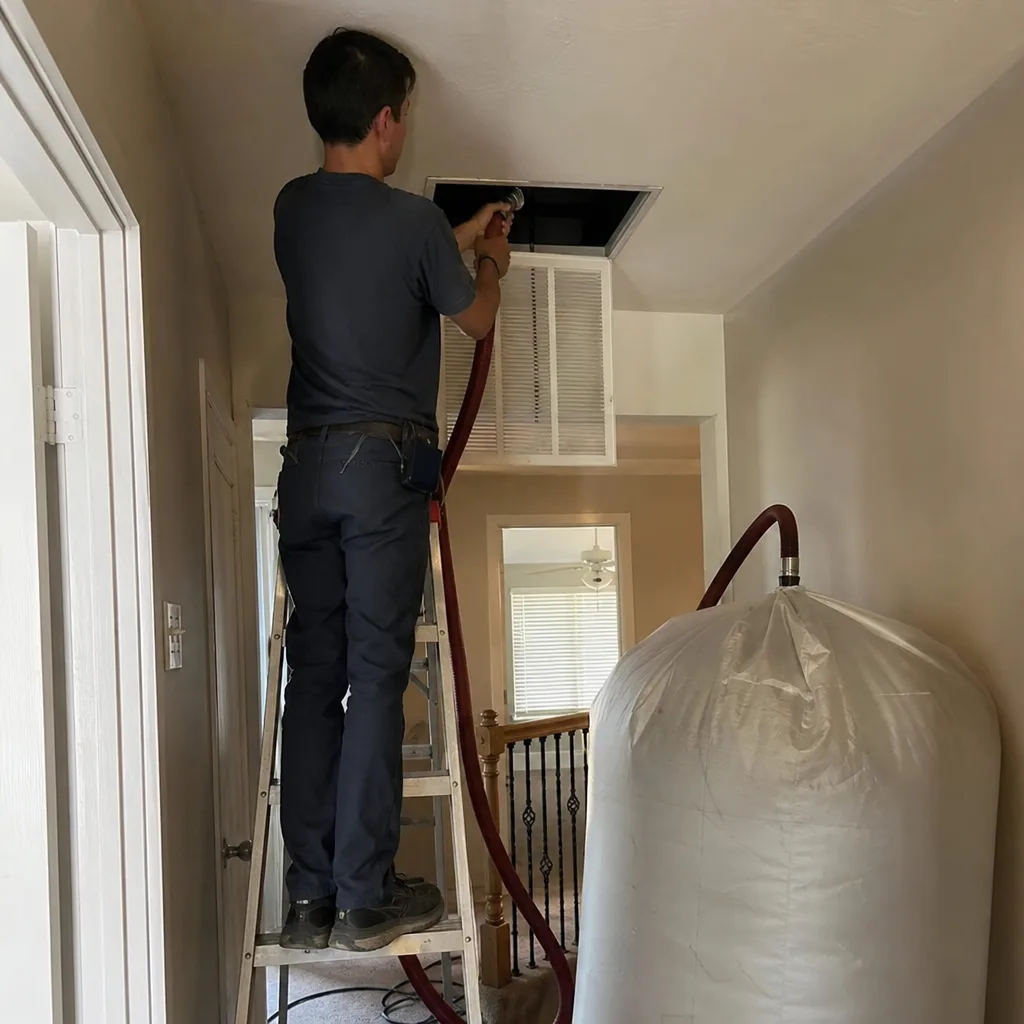
Cleaning (no permit required): This includes negative-pressure extraction, rotary brush agitation inside existing duct runs, register and grille removal for surface cleaning, and camera inspection of interior conditions. The system remains physically unchanged. The ductwork’s original configuration, materials, and connections stay exactly as found. Our crews use Rotobrush and Nikro equipment for this scope, and the only deliverable is a Documented Photo Record showing debris removal.
Repair and modification (mechanical permit required): This includes cutting new access openings in sheet metal or fiberglass duct board, installing access panels where none existed, applying mastic or tape to seal disconnected joints, replacing collapsed or damaged sections of ductwork, modifying plenum connections, or altering the return or supply configuration in any way. These activities change the mechanical system’s physical integrity or airflow characteristics.
The practical problem: a technician arrives for our Air Duct Cleaning services, discovers a disconnected flex duct in the attic, and “just fixes it” as part of the visit. In Plano’s climate, where attic temperatures exceed 140°F in summer, flex duct connections fail regularly. The homeowner sees a completed job. What they don’t see is an unpermitted mechanical modification that violates Section 304 of the Texas Mechanical Code and creates a paper trail gap that surfaces later.
We’ve documented this scenario repeatedly in Plano neighborhoods built during the 2015-2020 construction boom, particularly in Windsong Ranch, Willow Bend, and Legacy West areas. Those homes often use flex duct runs with adhesive-sealed connections that degrade faster than hard pipe. A cleaning visit that includes “a quick reattach” without permits leaves the homeowner with no inspection record, no code compliance verification, and potential exposure if that connection fails and causes water damage or mold growth.
What the Texas Mechanical Code Actually Says
The Texas Mechanical Code, adopted under Texas Occupations Code Chapter 1302, governs all mechanical work in the state. For ductwork specifically, the relevant provisions fall in Chapter 6 (Duct Systems) and Chapter 3 (General Regulations).
Section 304.1 – Permit Required: A mechanical permit is required for “the installation, alteration, repair, replacement, or modification of any mechanical system.” The code explicitly includes “duct systems” within the definition of mechanical systems. Cleaning is not listed as a triggering activity.
Section 304.2 – Exemptions: Minor repairs and maintenance are exempt only when they do not “affect the system’s structural integrity, airflow capacity, or safety controls.” This exemption is narrower than many contractors pretend. Reattaching a duct, sealing a joint with mastic, or cutting an access panel all affect structural integrity or airflow capacity.
Section 603 – Duct Construction: Any modification to duct materials, support methods, or sealing approaches must comply with SMACNA standards referenced in the code. Work performed without permit bypasses the inspection that verifies this compliance.
The enforcement reality: Texas does not license air duct cleaning as a standalone trade. The Texas Department of Licensing and Regulation licenses HVAC contractors, and municipalities enforce the Mechanical Code through their building departments. This regulatory gap means an unlicensed company can legally perform cleaning work, but the moment they touch repairs, they’re performing regulated mechanical work without the required contractor license or permits.
Here’s what this means in practice for Plano homeowners:
- Verify the contractor’s license class: A Texas Air Conditioning and Refrigeration Contractor license (TDLR) is required for any repair or modification work. Ask for the license number and verify it at TDLR’s license lookup. CleanRun publishes our license number on every page, per Haven Standard Clause 3: Verified Crews.
- Distinguish the scope in writing: The proposal should explicitly state whether any repair, sealing, or modification work is included. Vague language like “complete duct service” or “full system restoration” obscures the permit requirement.
- Request permit documentation: If repair work is proposed, the permit application and inspection scheduling are the contractor’s responsibility, not yours. A legitimate contractor handles this without prompting.
Plano’s Local Code Amendments and Inspection Requirements
Plano operates under the 2021 International Mechanical Code with local amendments adopted through the Plano Development Center. These amendments affect how ductwork work is inspected and what materials are approved for use in the city limits.
Amendment M-105.1 – Mechanical Permit Scope: Plano’s amendment clarifies that “duct repair and replacement” requires permit regardless of project value, closing a loophole some contractors exploit by claiming small jobs fall below threshold. There is no dollar threshold for mechanical permits in Plano.
Amendment M-603.1 – Duct Materials: Plano restricts flexible duct use in certain applications and requires specific support spacing for flex duct runs in attics. This matters because many “cleaning” visits include flex duct replacement with generic materials that don’t meet the amended support requirements.
Inspection sequence: For permitted ductwork, Plano requires rough inspection before concealment and final inspection after completion. The rough inspection verifies materials, support methods, and sealing approach. The final inspection verifies system operation and documentation. Without these inspections, there’s no independent verification that the work meets code.
Plano’s inspection backlog varies seasonally. In our experience, rough inspections currently schedule within 3-5 business days, with final inspection 24-48 hours after contractor call-in. A contractor who claims permits “take weeks” is either unfamiliar with current scheduling or avoiding the process entirely.
The climate factor: Plano’s position on the Blackland Prairie means high summer humidity and significant temperature swings. Ductwork in vented attitudes experiences thermal expansion stress that accelerates seal degradation. Code-compliant sealing materials and support methods are specifically designed for this stress cycle. Unpermitted repairs using non-compliant materials fail faster and create the moisture intrusion conditions that lead to mold growth inside ductwork.
How Unpermitted Work Affects Insurance and Home Sales
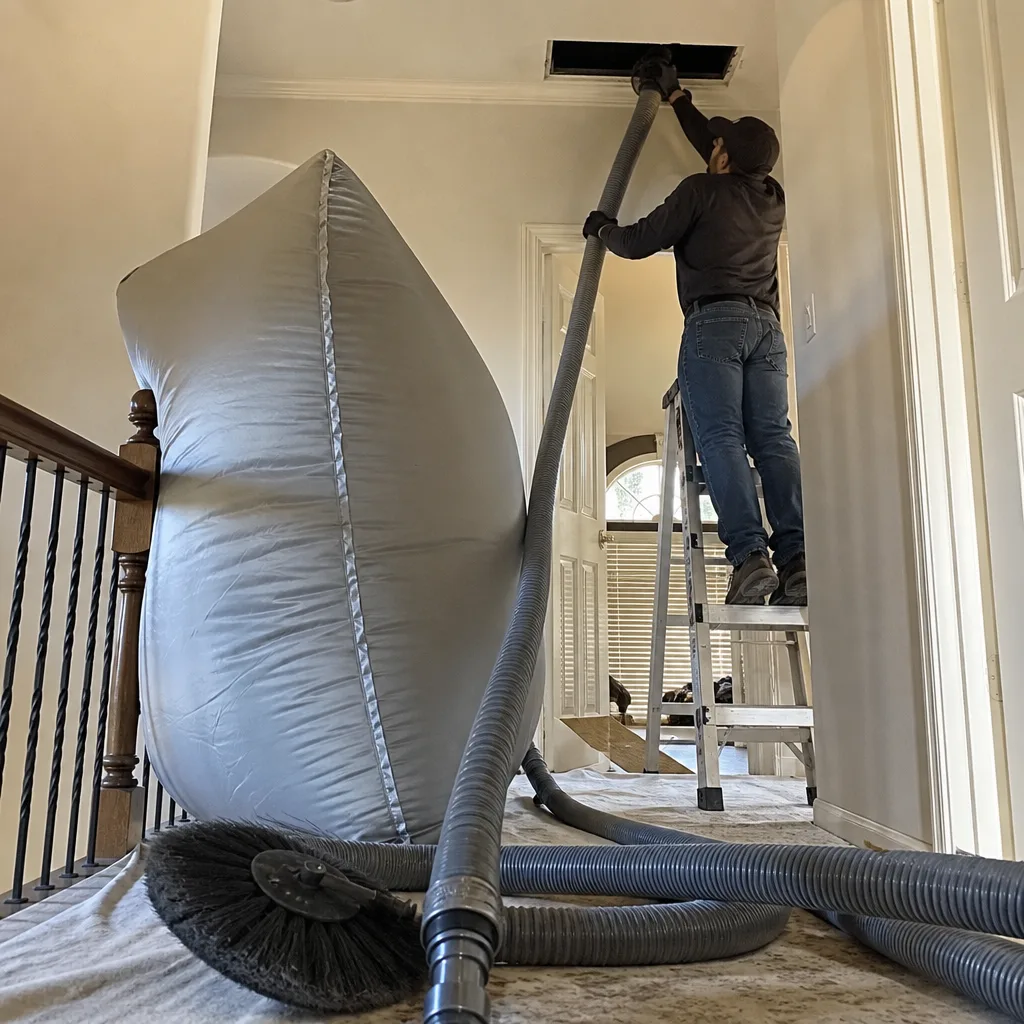
This is where the cleaning-repair boundary becomes expensive. Unpermitted duct modifications create documentation gaps that surface in exactly the moments homeowners need protection most.
Insurance claims: When water damage, mold, or fire originates from ductwork, insurers investigate whether modifications contributed to the loss. If modifications were performed without permit, insurers may deny coverage based on policy exclusions for “work performed without required permits” or “unlicensed contractor work.” The homeowner bears the burden of proving the work didn’t contribute to the loss.
We’ve reviewed claim denials-documented in our Air Duct Cleaning Warning Signs: A Plano Homeowner’s Reference Guide-where a simple flex duct reattachment, performed during a “cleaning” visit three years prior, was cited as the proximate cause of a water loss. The homeowner had no permit record, no inspection documentation, and no recourse against a company that had since dissolved or relocated.
Home sale inspections: Plano’s active resale market means pre-sale inspections are standard. Inspectors flag unpermitted mechanical work as a material defect requiring disclosure. The specific documentation gap: permit history is searchable through Plano Development Center’s online portal. A clean permit history for the address reassures buyers. Missing permits for visible modifications raise questions about what else was done without documentation.
In Plano’s competitive market, particularly in neighborhoods like Kings Ridge, Shoal Creek, and Avignon Windhaven, unpermitted ductwork has delayed closings and triggered renegotiation. The cost of retroactive permitting, including potential code compliance corrections, falls on the seller.
The documentation you need:
- Permit application with scope description matching the work performed
- Inspection approval records (rough and final) with inspector signature
- Contractor’s license verification matching the permit applicant
- Written scope of work specifying materials and methods
- Before-and-after photographic documentation of the modified areas
CleanRun’s Documented Photo Record, included on every visit, captures the pre-existing condition of ductwork before any cleaning begins. If repair needs are identified, this documentation becomes the baseline for permit application scope description. Haven Standard Clause 1 requires written pricing before work starts; for repair work, this includes explicit permit cost disclosure.
When Mold Inside Ductwork Crosses Into Regulated Remediation
Texas regulates mold remediation through the Department of State Health Services (DSHS), not through mechanical code. The boundary between “cleaning moldy ducts” and “mold remediation” is defined by project scope and square footage, not by what a contractor chooses to call the service.
DSHS Rule 195.210 – Applicability: Mold remediation is regulated when it involves “the removal, cleaning, sanitizing, demolition, or other treatment of mold-contaminated materials” in an area exceeding 25 contiguous square feet. Ductwork surface area calculations include interior surfaces of all affected runs.
For a typical Plano home with 2,500 square feet and 12-15 duct runs, mold contamination affecting more than 3-4 runs likely exceeds the 25 square foot threshold. At that point, the work requires:
- A DSHS-licensed Mold Assessment Consultant to evaluate and develop a remediation protocol
- A DSHS-licensed Mold Remediation Contractor to perform the work
- Containment and negative air pressure during remediation
- Post-remediation verification by the Assessment Consultant
Contractors who perform “duct sanitizing” or “mold treatment” without these licenses violate Texas Health and Safety Code Chapter 195. The penalty structure includes administrative fines and potential criminal liability for knowing violations.
The practical risk: a cleaning company applies a chemical treatment to moldy ductwork, doesn’t address the moisture source, and provides no documentation of safe mold levels post-treatment. The mold returns. The homeowner has no recourse, no verification of safe conditions, and potential health documentation gaps if occupants experience symptoms.
CleanRun’s approach: when our camera inspection shows mold growth exceeding incidental surface spotting, we stop the cleaning scope and recommend DSHS-licensed assessment. We do not perform unlicensed mold remediation. Our equipment roster includes Guardsman and Honeywell air quality monitoring tools that document particulate levels, but these are diagnostic tools, not remediation equipment.
Plano’s humidity patterns make this boundary particularly relevant. Summer attic dew points frequently reach conditions where duct surface temperatures fall below the dew point, creating condensation on duct exteriors that migrates to interior surfaces through porous insulation. The mold growth that follows is a symptom of a thermal boundary or insulation problem, not merely a “dirty duct” condition. Cleaning without addressing the condensation source guarantees recurrence.
What to Demand in Writing Before Work Begins
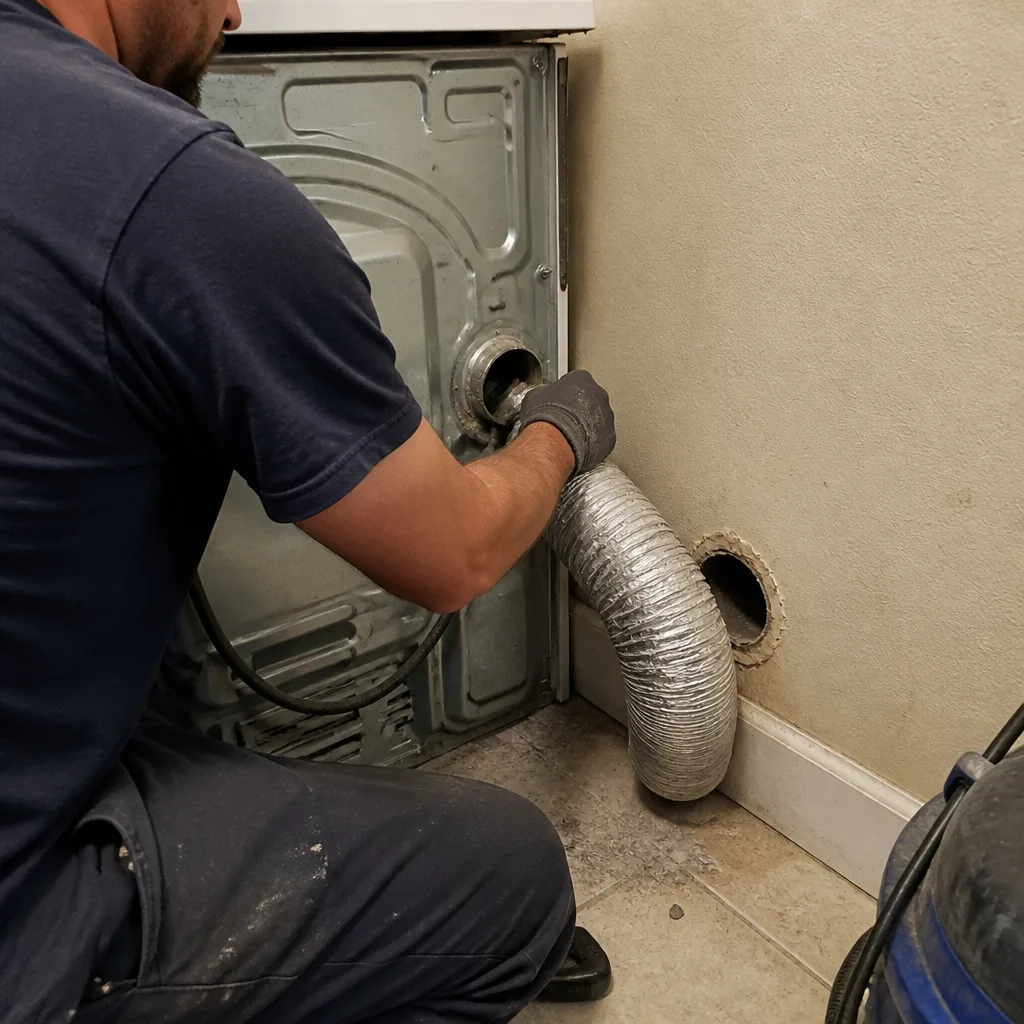
The specific documentation that protects you is not complicated, but most homeowners don’t know to ask. Here’s the written confirmation you need, with the exact language that matters.
1. Scope classification statement:
The proposal must state explicitly: “This scope consists solely of air duct cleaning as defined by TDLR guidance: negative-pressure extraction and mechanical agitation of interior duct surfaces without modification, repair, or alteration of the duct system.” If repair work is proposed, the statement must read: “This scope includes mechanical work requiring permit under Texas Mechanical Code Section 304.1 and Plano Amendment M-105.1.”
2. Permit responsibility acknowledgment:
For any repair scope: “Contractor shall apply for, obtain, and schedule all required permits and inspections. Permit fees are [included in / added to] the quoted price.” The permit fee in Plano for residential mechanical work is currently based on project valuation; a specific dollar amount in the quote demonstrates transparency.
3. License verification:
The proposal should include: “Work performed under Texas Air Conditioning and Refrigeration Contractor License [number], verifiable at www.tdlr.texas.gov.” CleanRun includes this on every written proposal, per Haven Standard Clause 3.
4. Material and method specification:
For any repair: specific materials (duct gauge, sealant type, support method) and compliance reference (SMACNA standards, Plano Amendment M-603.1). Generic references to “industry standard” or “code compliant” are insufficient.
5. Documentation deliverables:
Specify what you receive after completion: permit approval records, inspection sign-offs, photo documentation, and warranty terms. CleanRun’s standard deliverable includes the Documented Photo Record of every duct run, before and after, plus written warranty terms under the 365-Day Done Right Promise.
6. Mold protocol acknowledgment:
If mold is mentioned in the proposal: “Any mold remediation exceeding 25 contiguous square feet will be performed only by DSHS-licensed contractors under Assessment Consultant protocol.” Absence of this statement when mold is discussed is a red flag.
The “free estimate” trap: competitors offering air duct cleaning in Plano with low initial quotes often discover “necessary repairs” after work begins, with verbal authorization obtained under pressure. Written scope classification before work starts prevents this scope creep. CleanRun’s written price, delivered before any work begins under Haven Standard Clause 1, includes explicit scope boundaries.
What Permit-Pulling Actually Looks Like for Homeowners
The permit process intimidates many homeowners, which contractors exploit to avoid compliance. Here’s the actual sequence, with realistic timelines for Plano.
Step 1: Contractor application (Day 0)
The licensed contractor submits application through Plano Development Center’s online portal or in person. Required: completed application, scope description, contractor license verification, and fee payment. Homeowner signature is required as property owner authorization. The contractor should handle this; your involvement is a signature and date.
Step 2: Plan review (Days 1-3)
For residential ductwork modifications, Plano typically processes plans within 1-3 business days. Complex modifications or commercial properties take longer. The reviewer verifies compliance with Texas Mechanical Code and local amendments. If corrections are required, the contractor receives written comments and resubmits.
Step 3: Permit issuance (Day 3-4)
Upon approval, the permit is issued with inspection scheduling instructions. The contractor posts the permit card at the work site before beginning.
Step 4: Rough inspection (scheduled by contractor)
For ductwork: verifies materials, support methods, sealing, and accessibility. Inspector reviews against approved scope. If passed, work proceeds to completion. If failed, corrections and re-inspection required.
Step 5: Final inspection (scheduled after completion)
Verifies system operation, documentation completeness, and code compliance. Approval generates the certificate of completion that becomes part of the property’s permit history.
Homeowner effort required: Signature on application, site access for inspector (typically 15-30 minute window), and verification that final approval posts to the city’s online record. The contractor handles all other steps.
Timeline reality: for typical residential duct repair in Plano, from application to final approval, expect 7-10 business days. This does not significantly delay most projects and provides documentation that persists for the property’s lifetime.
How CleanRun Handles the Cleaning-Repair Boundary
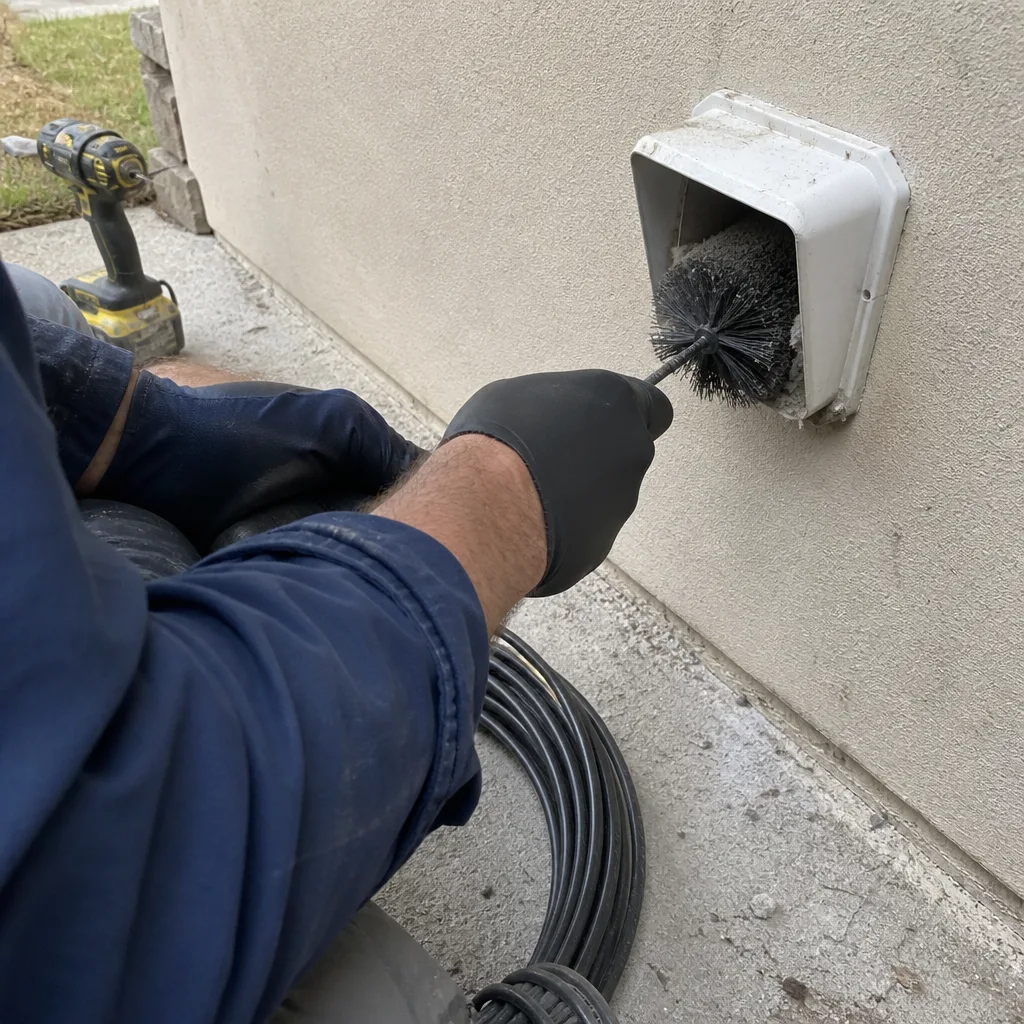
Our approach is shaped by 52,000 completed jobs and the documentation requirements of the H.A.V.E.N. Standard. We treat the cleaning-repair boundary as a compliance matter, not a sales opportunity.
Every visit begins with camera inspection and scope definition. Our technicians use Rotobrush camera systems to document interior duct conditions before any cleaning begins. This documentation identifies whether the scope is cleaning-only or requires repair classification.
Written price before work starts, with explicit scope classification. Haven Standard Clause 1 requires a written price delivered before any work begins. This price specifies whether the scope is cleaning-only or includes repair work requiring permit. If repair is needed, the written price includes permit cost disclosure and timeline impact.
No repair work without permit. If our inspection identifies disconnected ducts, failed seals, or damaged sections, we stop the cleaning scope and present repair options with permit requirements explained. We do not perform “quick fixes” during cleaning visits that bypass permit requirements.
Licensed repair coordination. For repair work beyond our scope, we coordinate with appropriately licensed contractors or, where we perform the repair ourselves, pull required permits and schedule inspections. The customer receives permit approval records as part of the job documentation.
Documentation as standard deliverable. Every job concludes with the Documented Photo Record: interior images of every duct run, before and after cleaning, plus any repair documentation. For permitted work, permit and inspection records are included. This documentation is delivered to the customer, not merely retained in our files.
365-Day Done Right Promise. If any aspect of our work, including scope classification or documentation, proves incorrect or incomplete, we make it right. This is a written guarantee, not a policy subject to manager discretion.
Our equipment roster, including Rotobrush, Nikro, Abatement Technologies, Honeywell, Aprilaire, and Guardsman, is specified in our written proposals so customers can verify tool quality independently. We name brands because specific claims can be verified; generic “professional equipment” claims cannot.
Common Mistakes to Avoid
- Accepting verbal scope descriptions. A contractor who won’t put “cleaning only” or “includes repair requiring permit” in writing is avoiding accountability. Every Plano homeowner should receive written scope classification before work begins.
- Assuming “licensed and insured” covers mechanical work. General business liability insurance and a city business license do not authorize mechanical work. Verify the specific Texas Air Conditioning and Refrigeration Contractor license for any repair scope.
- Ignoring permit cost in price comparisons. A quote that excludes permit costs appears cheaper but leaves the homeowner exposed. Ask explicitly: “Does this price include all required permits and inspections?”
- Permitting “just a quick reattach” without documentation. In Plano’s summer heat, attic flex duct connections fail regularly. A technician who “just fixes it” during cleaning creates unpermitted modification liability. Insist on proper scope classification.
- Accepting mold treatment from non-DSHS-licensed contractors. Chemical application to moldy ductwork without proper assessment and remediation protocol violates Texas law and provides no verification of safe conditions.
- Failing to verify permit closure. Some contractors pull permits but never schedule final inspection, leaving the permit open and the property record incomplete. Verify final approval posts to Plano’s online permit history.
- Discarding documentation. Permit records, inspection approvals, and photo documentation should be retained with other property records. These documents transfer with the property and protect against future disputes.
When to Call a Professional
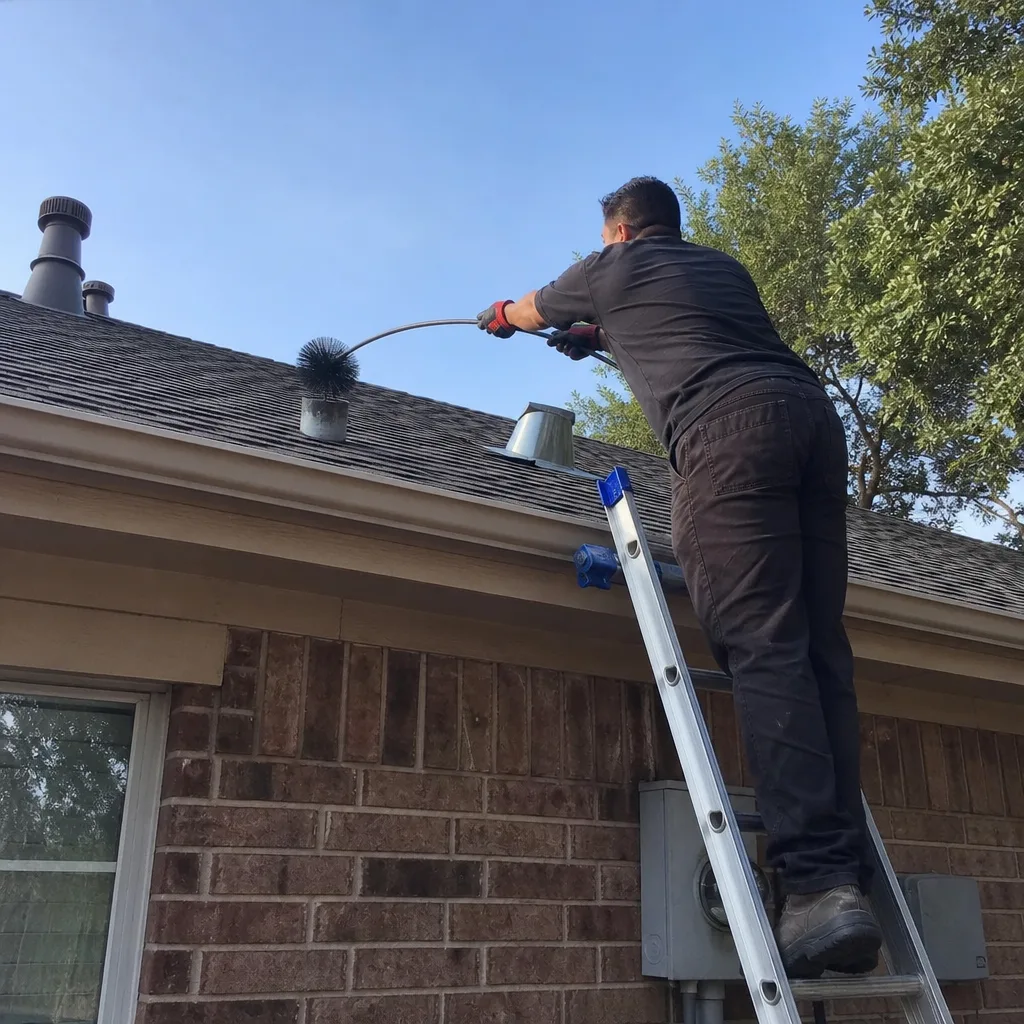
Call a licensed professional when your ductwork needs extend beyond surface cleaning: disconnected runs, visible mold exceeding incidental spotting, collapsed sections, or persistent airflow problems that suggest system modification. In Plano’s climate, where attic conditions accelerate duct degradation, these issues are common in homes built during the 2015-2020 construction period. CleanRun Air Duct Cleaning Plano offers free estimates in Plano, with written scope classification and pricing delivered before any work begins. For dryer vent cleaning in Plano or HVAC cleaning in Plano, the same documentation standards apply. Call (469) 452-7766 to schedule.
Frequently Asked Questions
No. Air duct cleaning, defined as negative-pressure extraction and mechanical agitation of interior duct surfaces without system modification, does not require a permit in Plano or anywhere in Texas. If a contractor claims permit requirements for cleaning alone, request the specific code citation and verify with Plano Development Center.
Whole-system duct repair in Plano typically ranges from $1,200-$3,800 depending on access difficulty, material type, and extent of modification. Permit fees add $150-$400 based on project valuation. CleanRun provides written pricing before work begins under Haven Standard Clause 1, with permit costs itemized. Call (469) 452-7766 for an exact quote - estimates are free.
Low quotes often exclude repair work that’s “discovered” after arrival, use non-compliant materials for quick fixes, or skip permit requirements that protect the homeowner. The $79-$129 coupon price typically covers minimal vacuum time without the negative-pressure extraction, rotary brush agitation, or photo documentation that define actual duct cleaning. Ask what equipment brands are used, what documentation is provided, and whether the price includes any repair contingency.
Search Plano Development Center’s online permit history by property address. Permits for mechanical work appear in the permanent record with scope description, contractor name, and inspection outcomes. Missing permits for visible modifications indicate unpermitted work that may require disclosure in a home sale or affect insurance coverage.
In Plano’s climate, with high summer attic temperatures and significant thermal cycling, we recommend camera inspection every 3-5 years for homes with flex duct systems, and every 5-7 years for hard duct systems. Homes built 2015-2020 in areas like Windsong Ranch or Legacy West should consider more frequent inspection due to known flex duct connection issues in that construction period.
Texas Mechanical Code Section 304.1 requires permits for duct repair regardless of who performs the work. Homeowner exemptions are extremely narrow and do not apply to most duct modifications. Performing unpermitted work creates the same insurance and resale liabilities as contractor-performed unpermitted work. For safety and compliance, mechanical work should be performed by licensed contractors with proper permits.
The Bottom Line
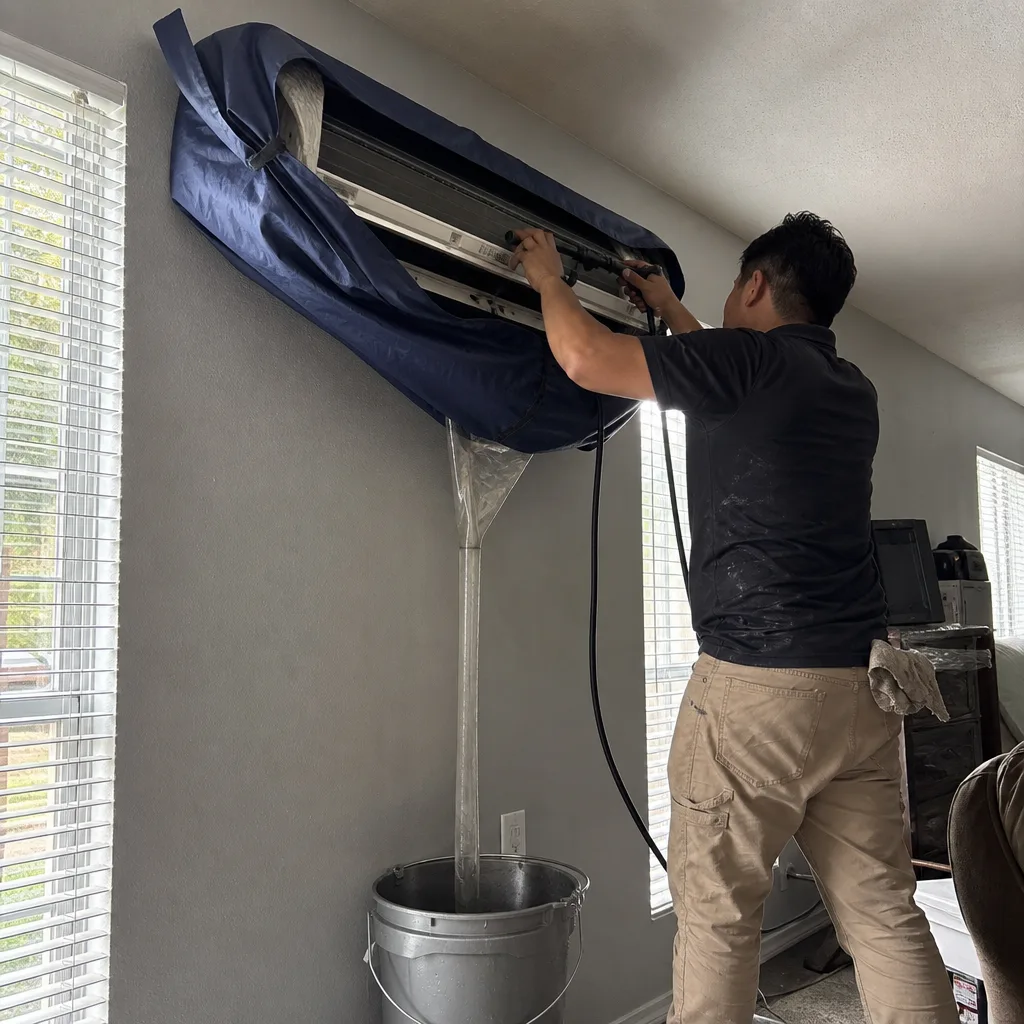
Air duct cleaning in Texas requires no permits and minimal regulatory burden. The moment work crosses into repair, sealing, or modification, the regulatory framework becomes specific and enforceable. Plano homeowners protect themselves by demanding written scope classification before work begins, verifying contractor licenses for any repair work, confirming permit handling, and retaining documentation as permanent property records. The companies that blur these boundaries create liability that surfaces years later, in moments of financial stress. CleanRun’s approach, established since 2013 and documented through the H.A.V.E.N. Standard, treats this boundary with the precision it deserves: cleaning is cleaning, repair is repair, and each carries the documentation appropriate to its regulatory status.
Written by Tomas Reyes, Owner at CleanRun Air Duct Cleaning Plano, serving Plano since 2013.