
Whole-system duct and dryer vent check with before-and-after photos - you see exactly what came out of your vents
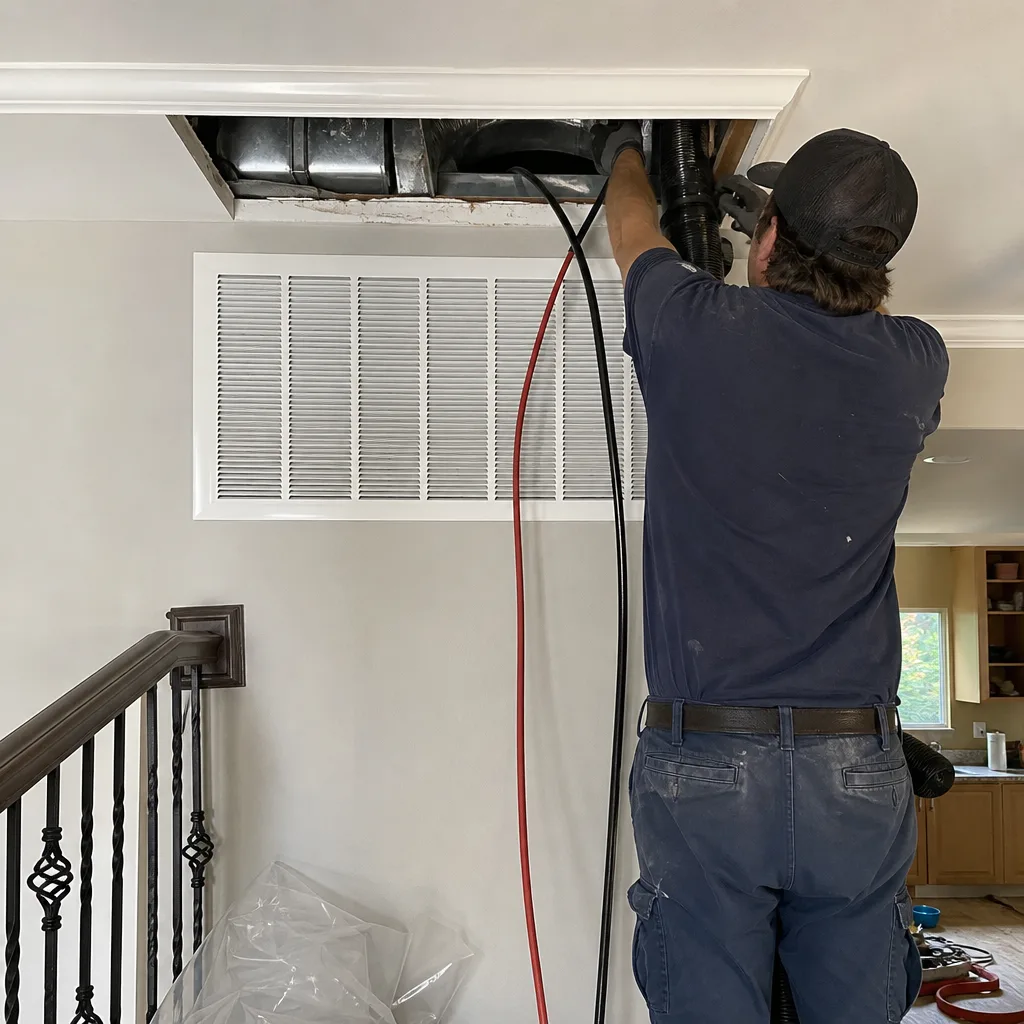
That "$99 whole-house special" is a bait ad - the real number appears once they are in your hallway, or the "clean" is a shop-vac at the register. We photograph the inside of your ducts before and after instead.
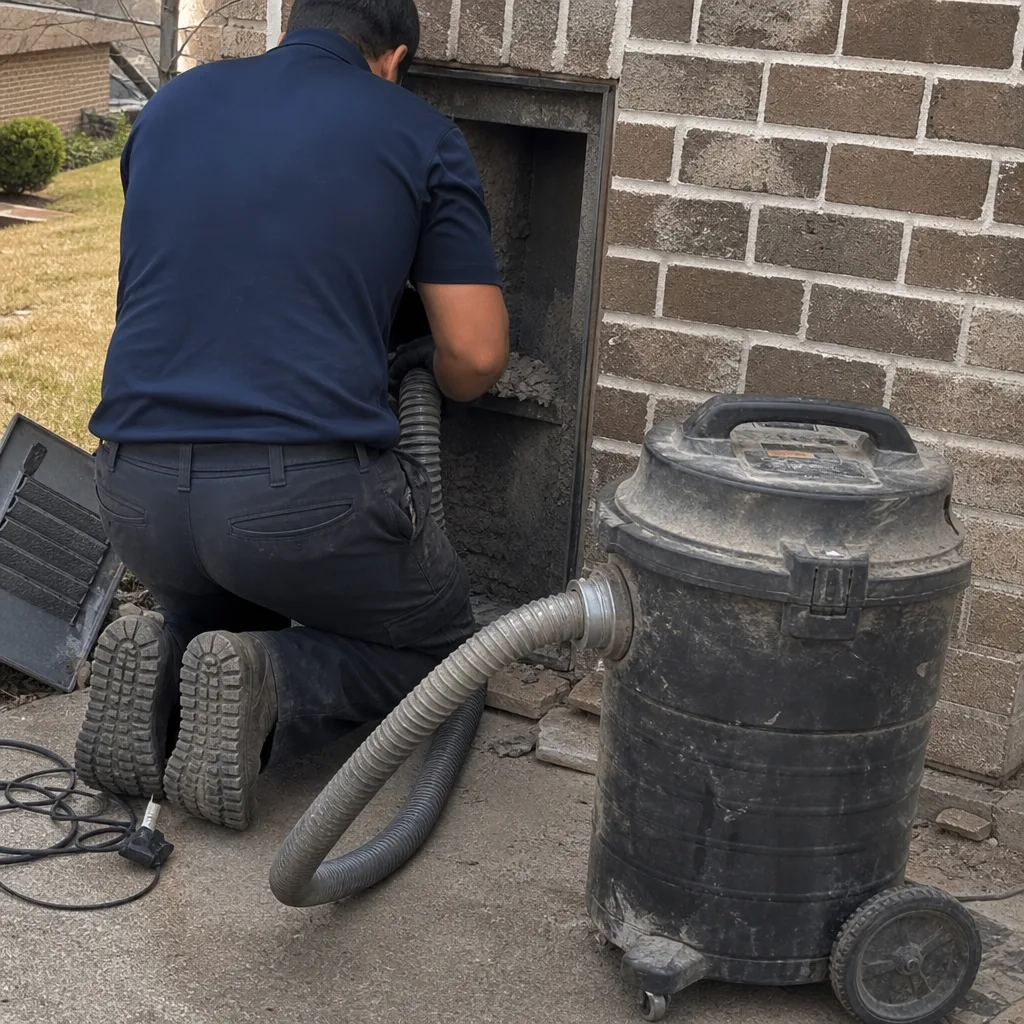 Before
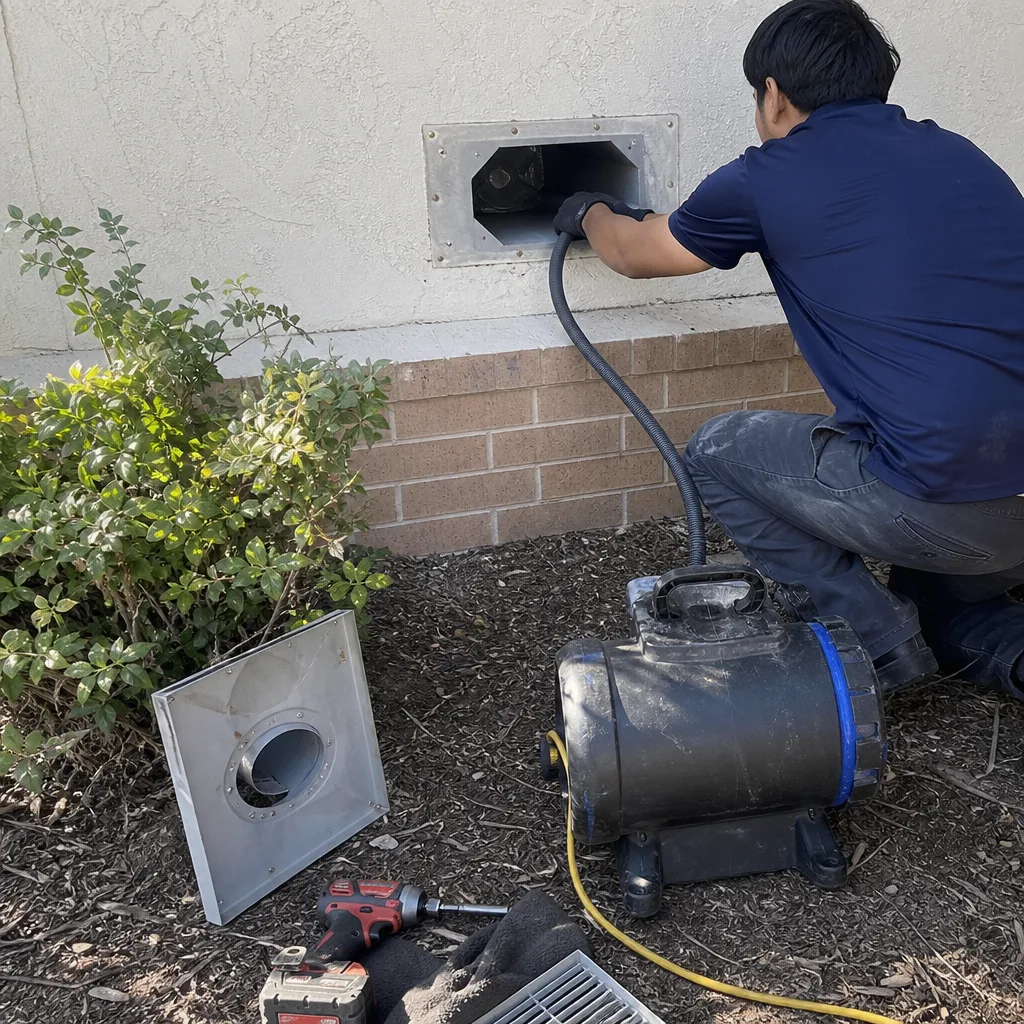 After
After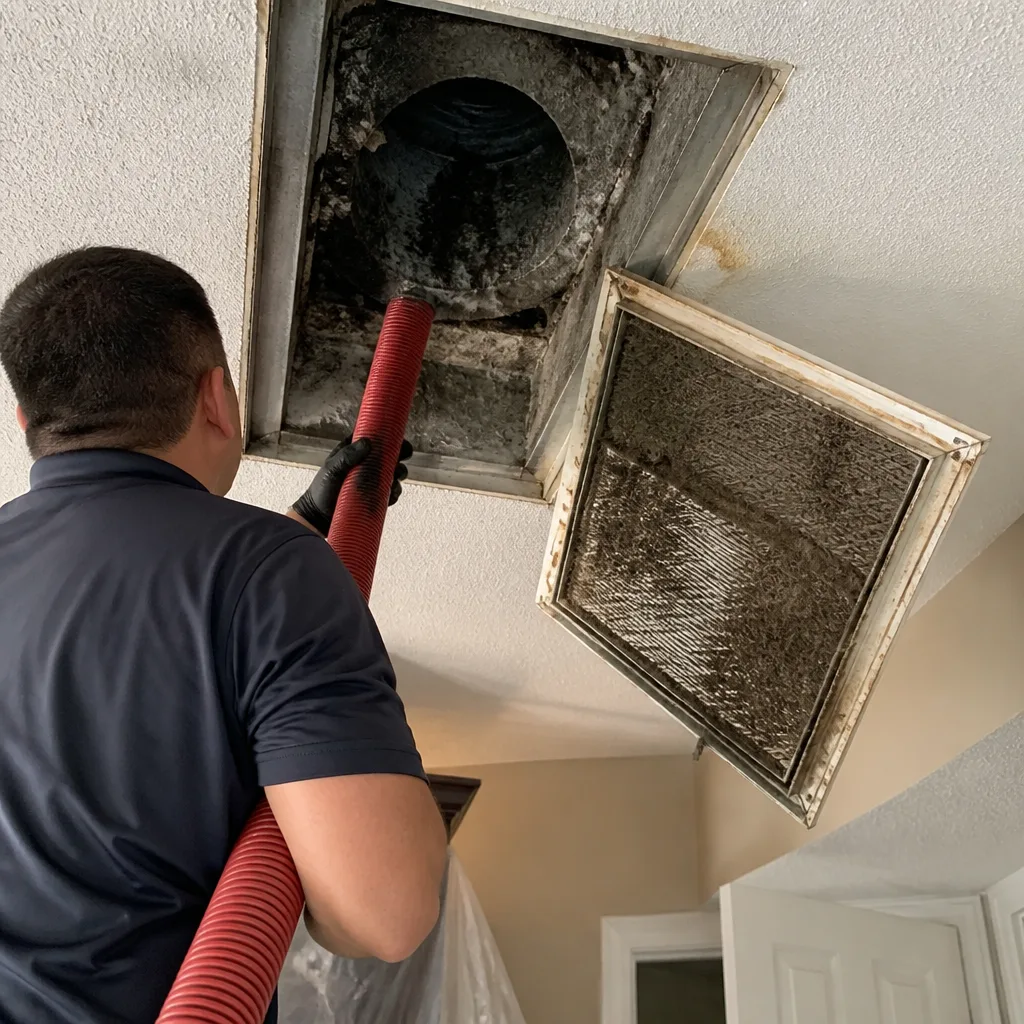 Before
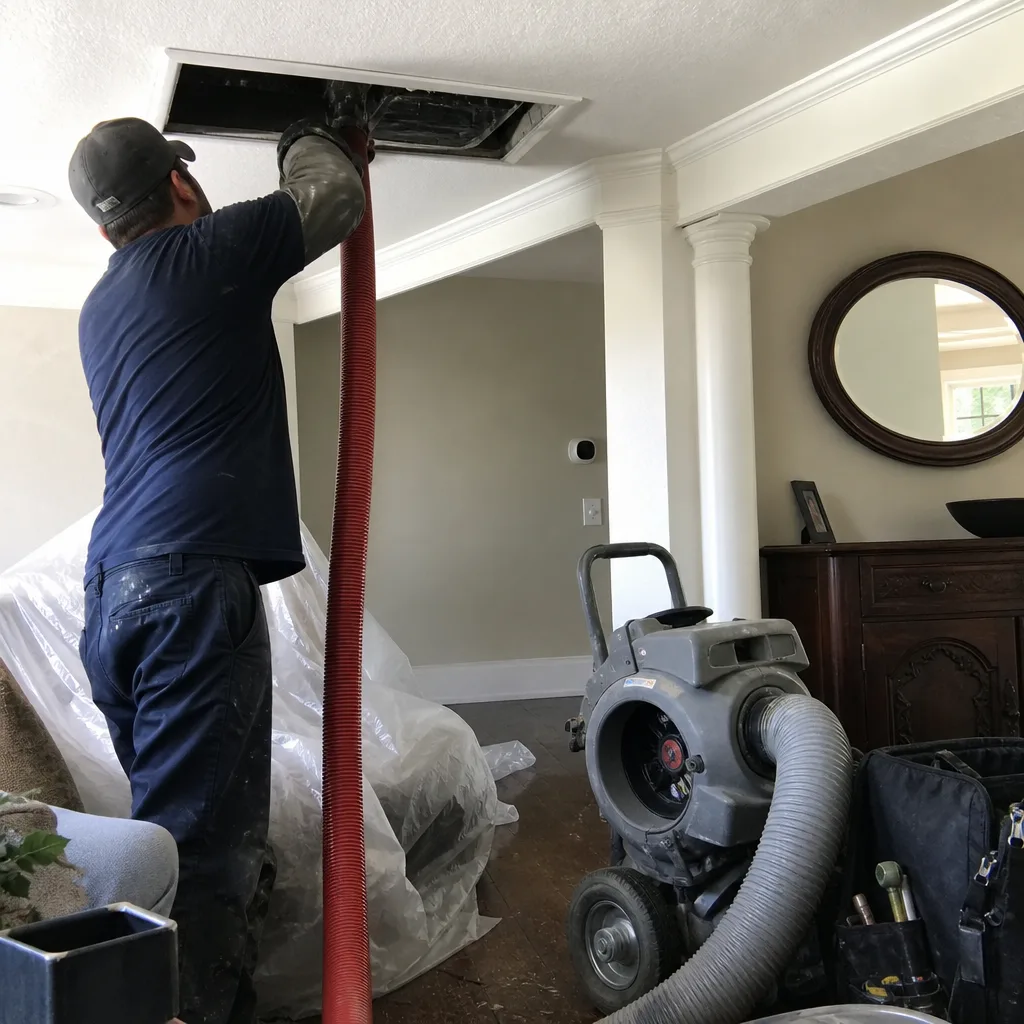 After
After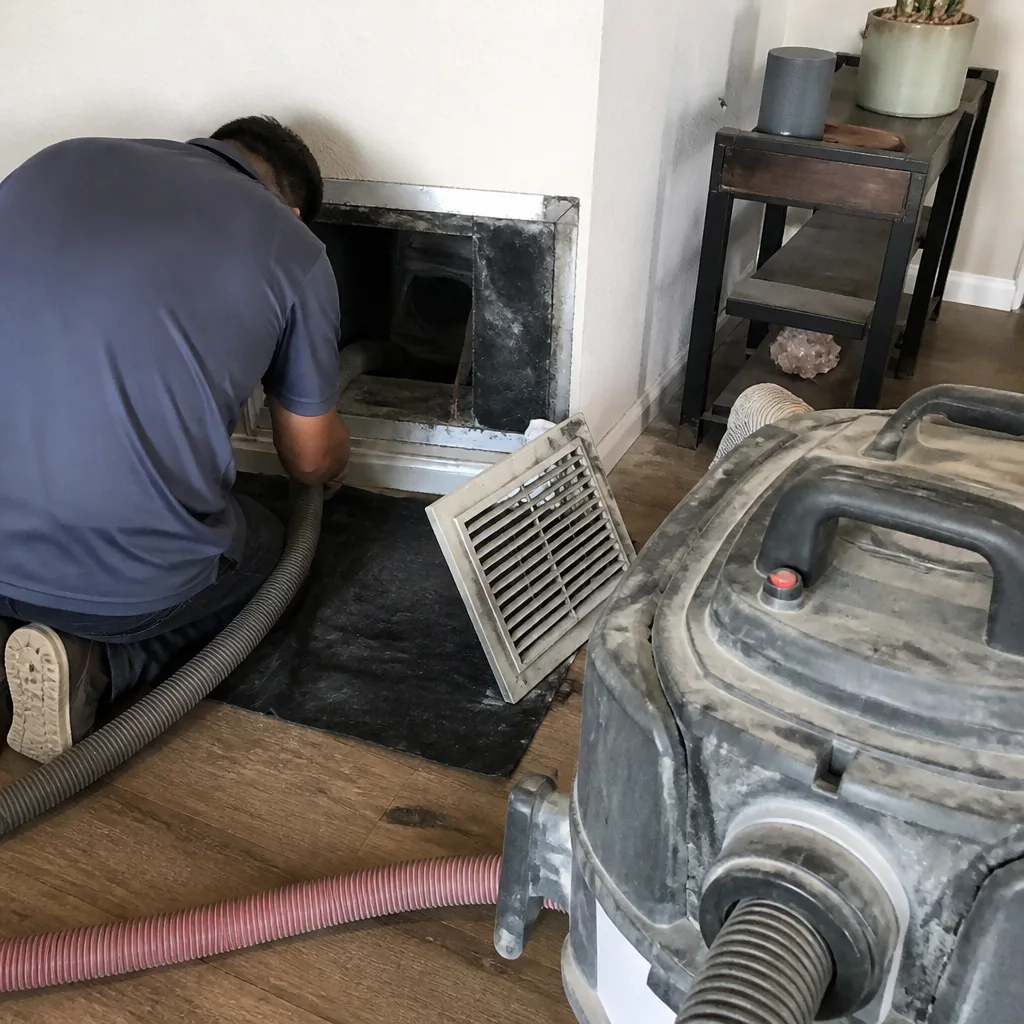 Before
 After
AfterHoneywell Dryer Vent Cleaning in Plano: What to Know First
CleanRun provides independent Honeywell dryer vent cleaning in Plano with written upfront pricing and a documented photo record of every job. Most Honeywell dryer vent cleanings are completed in 90 to 150 minutes, with the full scope and price agreed in writing before any work begins. We are not affiliated with or authorized by Honeywell; we are an independent service provider that knows their product lines from hands-on work across thousands of North Texas homes.
This page is for Plano homeowners who own a Honeywell dryer or Honeywell-integrated laundry ventilation setup and want to know what failure looks like, what fixing it costs, and how to verify the work was actually done. Call (469) 452-7766 for a free estimate.
How Honeywell Products Fail - and How We Fix Them
- Honeywell TrueDRY dehumidifier-vent integration units develop condensate line blockages that back moisture into the dryer vent path. In Plano’s clay-heavy soils, that moisture wicks into exterior wall cavities and shows up as peeling paint near the vent cap, months before anyone smells mildew. We clear the condensate trap, verify airflow with a manometer, and photograph the dry duct run before closing.
- Honeywell Lyric-compatible vent dampers (the MD8 and MD10 series) seize in the partially-open position after two to three years of lint exposure. The motor still hums, so homeowners assume it’s working. We test damper travel with the controller disconnected, clean the lint from the pivot housing, and replace the actuator if the torque spec is below 18 in-lb. OEM actuators run $34-$58; we stock both OEM and a tested aftermarket equivalent.
- Honeywell whole-home ventilation systems with dryer vent tie-ins (HRV/ERV units, particularly the VNT5150 and VNT5200 series) pull lint past the dryer’s own trap and deposit it on the HRV core. The core pressure drop climbs, the blower works harder, and the unit fails from motor overheating, not core failure. We pull the core, document the lint loading with photos, and clean the dryer vent path to stop the source.
- Honeywell dryer booster fans (the DBF110 and DBF4 models common in Plano homes with vent runs over 25 feet) lose blade balance when lint adheres unevenly to the forward blade face. The vibration travels through flex duct and loosens connections at elbows. We balance the impeller, replace cracked flex with solid metal where code allows, and install a bird guard with ¼-inch mesh - fine enough for lint awareness, coarse enough to stay clear.
- Honeywell electronic air cleaner cabinets mounted near laundry rooms (F300 and F50 series) collect dryer lint that bypasses the main vent through gaps in the wall penetration. The pre-filter loads fast, the ionizing wires short, and the homeowner gets a “check cell” light that persists after cleaning. We trace the leak, seal the penetration with fire-rated foam, and clean the vent path so the source stops.
Our Honeywell Dryer Vent Cleaning Process
- 1
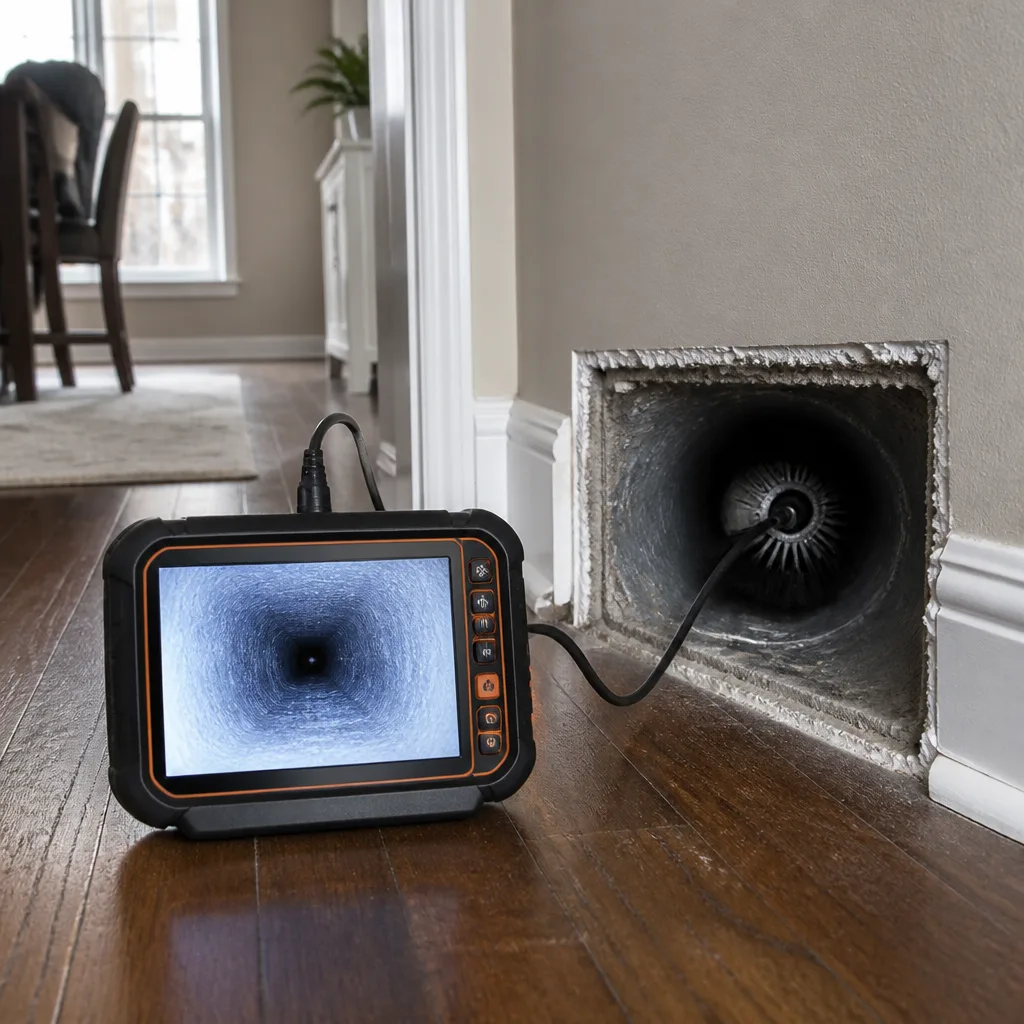
Photo-first inspection. We thread a camera through the full vent run and show the customer the lint loading, corrosion, or obstruction before quoting. Tomas Reyes started this practice in 2013; we still do it on every job. Show the photo first. Talk second.
- 2
Written scope and price. Haven Standard Clause 1: the price is written, itemized, and signed before any panel comes off. No exceptions.
- 3
Parts decision with documentation. If a Honeywell damper actuator, booster fan, or vent component needs replacement, we show the customer the OEM part number, the aftermarket equivalent if applicable, and the price difference. The choice is documented on the work order.
- 4
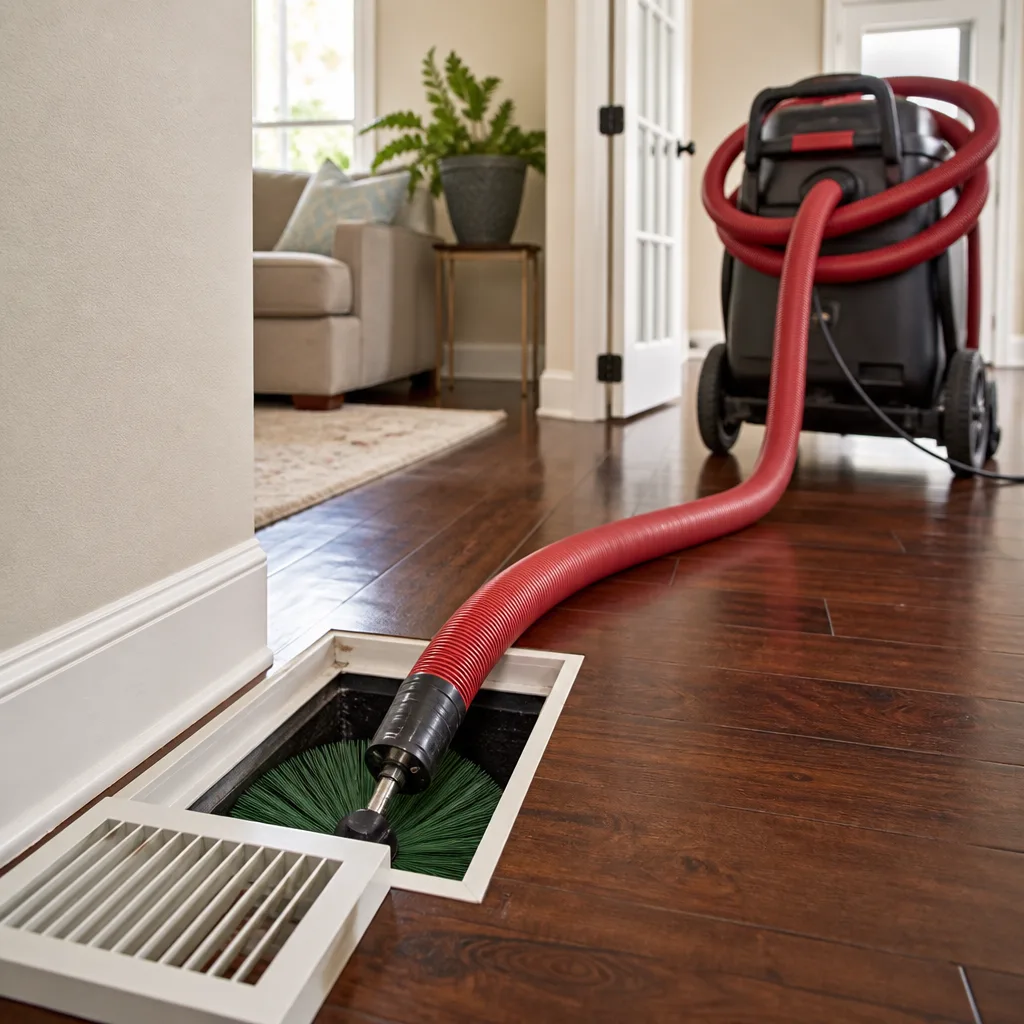
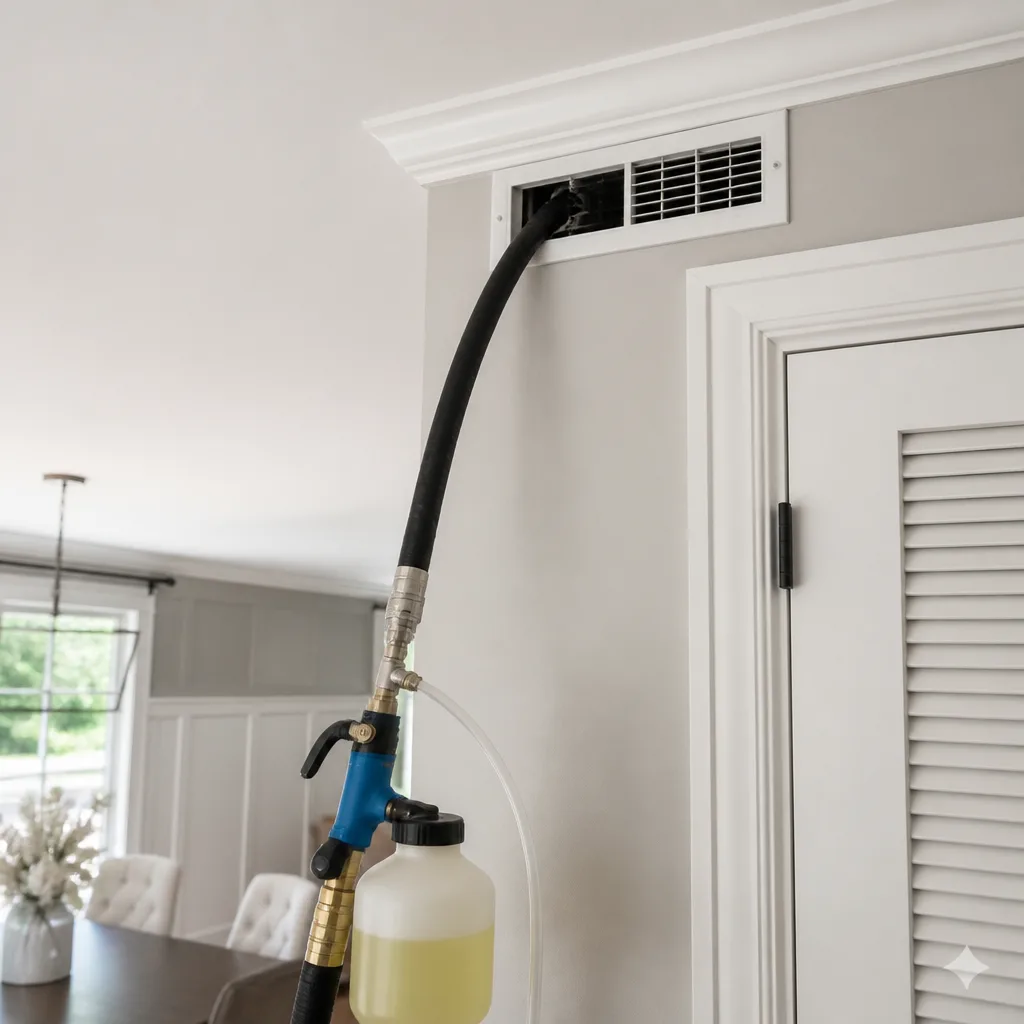
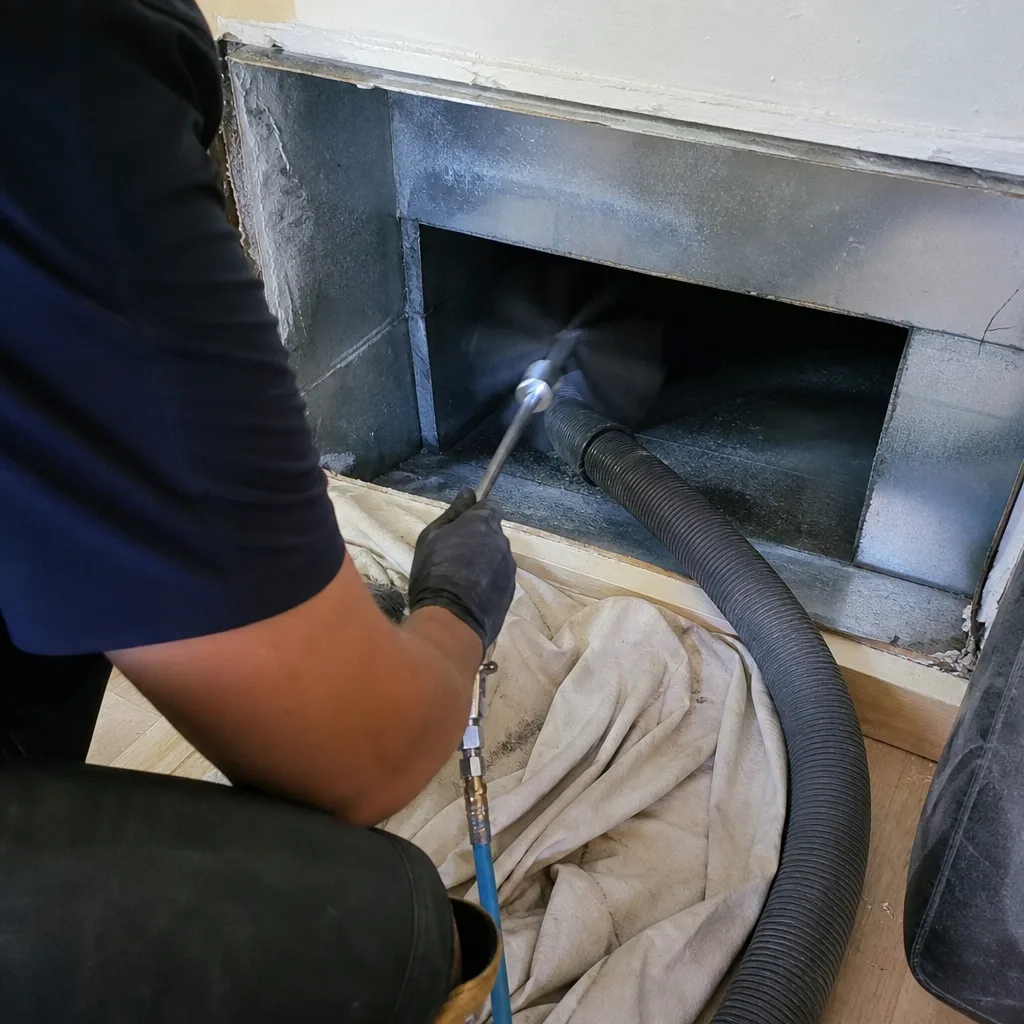
Negative-pressure extraction and mechanical agitation. We use Rotobrush and Nikro equipment to dislodge lint from the full duct run, including elbows and transitions, while capturing debris at the collection point. The plenum (the main air distribution box) is inspected if the dryer vent ties into a larger ventilation system.
- 5
Post-clean verification. We measure airflow at the exterior cap with a manometer and compare to the manufacturer’s spec for the Honeywell unit in service. The reading is recorded on the job sheet.
- 6
Documented Photo Record delivery. Before-and-after photos of every duct run, plus the airflow reading, are delivered as a standard deliverable. The 365-Day Done Right Promise is activated in writing.
BeforeAfterWhat Honeywell Dryer Vent Cleaning Costs in Plano
Most Honeywell dryer vent cleanings in Plano fall between $189 and $349 for a standard single-run system. The price moves based on three factors we document before quoting:
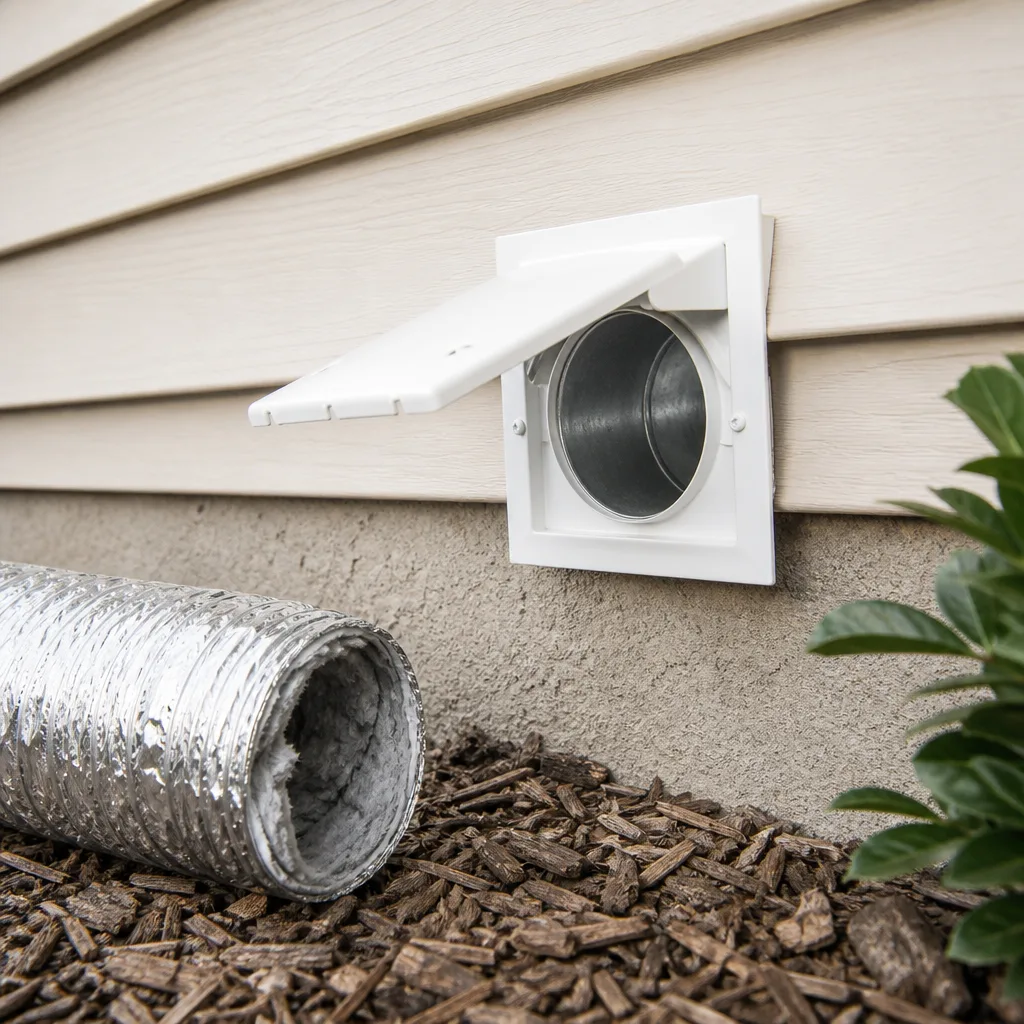
- Vent length and access: Runs under 15 feet through an unfinished garage are straightforward; runs over 25 feet with multiple elbows, or routed through finished Plano second-story walls, require more time and specialized tooling.
- Component condition: A seized Honeywell damper actuator ($34-$58 part) or a failed DBF110 booster fan ($120-$180 part) adds to the total, but the full price is written before work starts.
- Contamination severity: Heavy lint loading that requires extended agitation, or moisture damage from a blocked condensate line, extends labor time. We show the camera evidence and quote accordingly.
Call (469) 452-7766 for a free estimate. We also provide free second opinions on any competitor’s written estimate.
Why Plano Homeowners Call CleanRun Air Duct Cleaning Plano for Honeywell Work
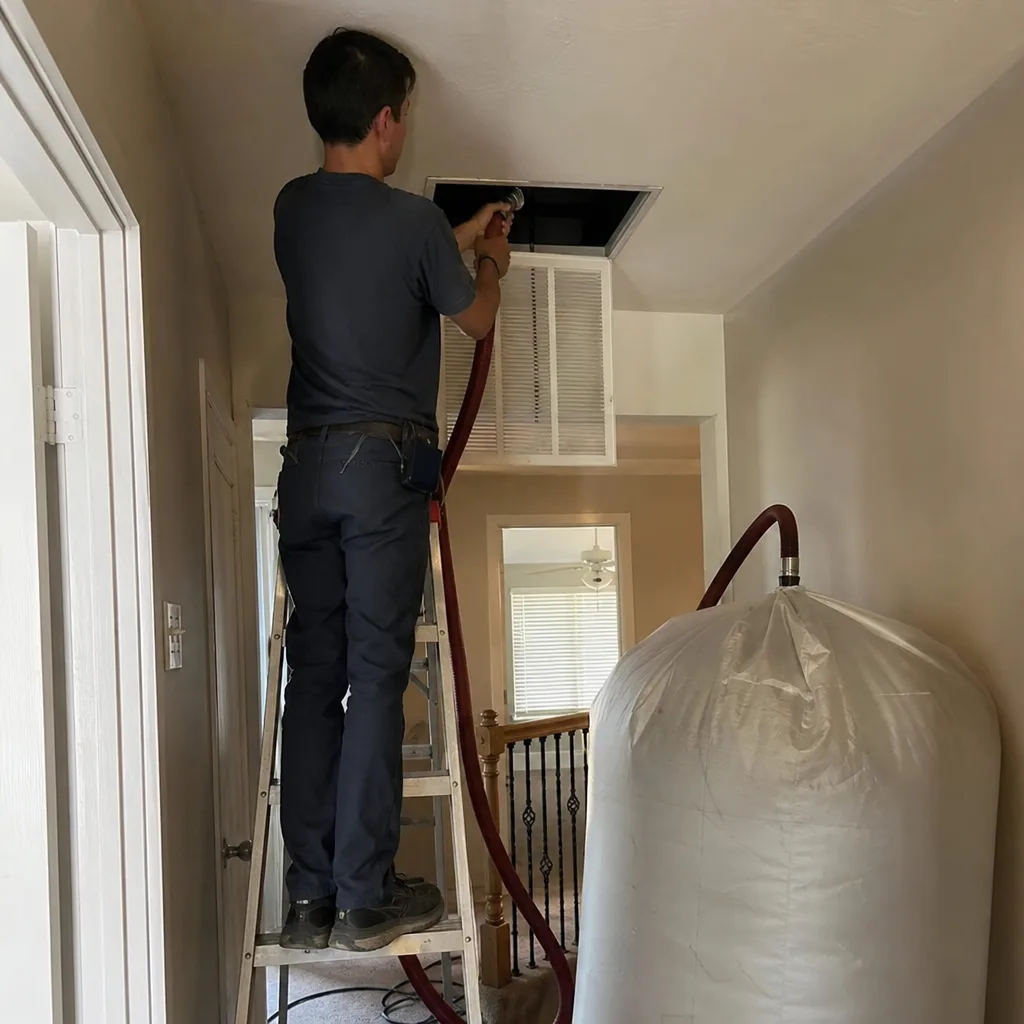
We’ve worked in Plano since 2013, including the older ranch-style homes near the Shops at Legacy where original flex duct from the early 1990s still surprises even experienced techs. Our crews know Honeywell’s product lines from direct handling, not from a training video. We also service Lennox, Trane, and Carrier systems, which matters when a Plano home’s ventilation setup mixes brands across decades of ownership.
Every job carries the 365-Day Done Right Promise in writing, backed by Haven Standard Clause 1 (written price before work) and Clause 3 (verified, background-checked, uniformed crews identified by name before arrival). The Documented Photo Record is not an upsell; it is included on every visit, every time.
FAQs
No. Routine vent cleaning does not void a Honeywell dryer or ventilation product warranty, provided the work does not damage components. We use manufacturer-specified torque settings on fasteners and document our process so any future warranty claim has a clear service history. If you have concerns about a specific Honeywell model, call (469) 452-7766 and we’ll review the warranty language with you before booking.
For damper actuators and vent caps, we stock both. OEM parts carry the Honeywell name and match the original spec exactly; quality aftermarket equivalents from Guardsman and other trade-recognized brands often cost 30-40% less and perform to the same torque and cycle ratings. We show you both options with prices in writing before deciding. For booster fans, we typically recommend OEM due to the precise blade balance requirements.
Our Documented Photo Record shows the inside of every duct run before and after. A shop-vac at the vent cap leaves the middle and far end of the run untouched; our photos prove the full length was cleared. The manometer reading at the exterior cap provides a second verification. If a company cannot show you the inside of your own ductwork, you are buying noise, not cleaning.
Every 12 to 18 months for a typical Plano household with two to four loads per week. Homes with longer vent runs, multiple pets, or heavy towel/sheet usage should schedule annually. Plano’s hard water and mineral dust add a fine particulate layer that bonds with lint, accelerating buildup compared to softer-water regions. We note the recommended next service date on every job record.
Yes. We reroute vents that exceed 35 feet, have more than four elbows, or terminate in crawl spaces or attics (all prohibited under IRC M1502). The reroute price depends on framing access and exterior wall penetration; we quote it in writing after inspection. Rerouting often improves drying time enough that the energy savings recover the cost within two years.
Written by Tomas Reyes, Owner, CleanRun Air Duct Cleaning Plano at CleanRun Air Duct Cleaning Plano, serving Plano and nearby areas.