

Whole-system duct and dryer vent check with before-and-after photos - you see exactly what came out of your vents
That "$99 whole-house special" is a bait ad - the real number appears once they are in your hallway, or the "clean" is a shop-vac at the register. We photograph the inside of your ducts before and after instead.
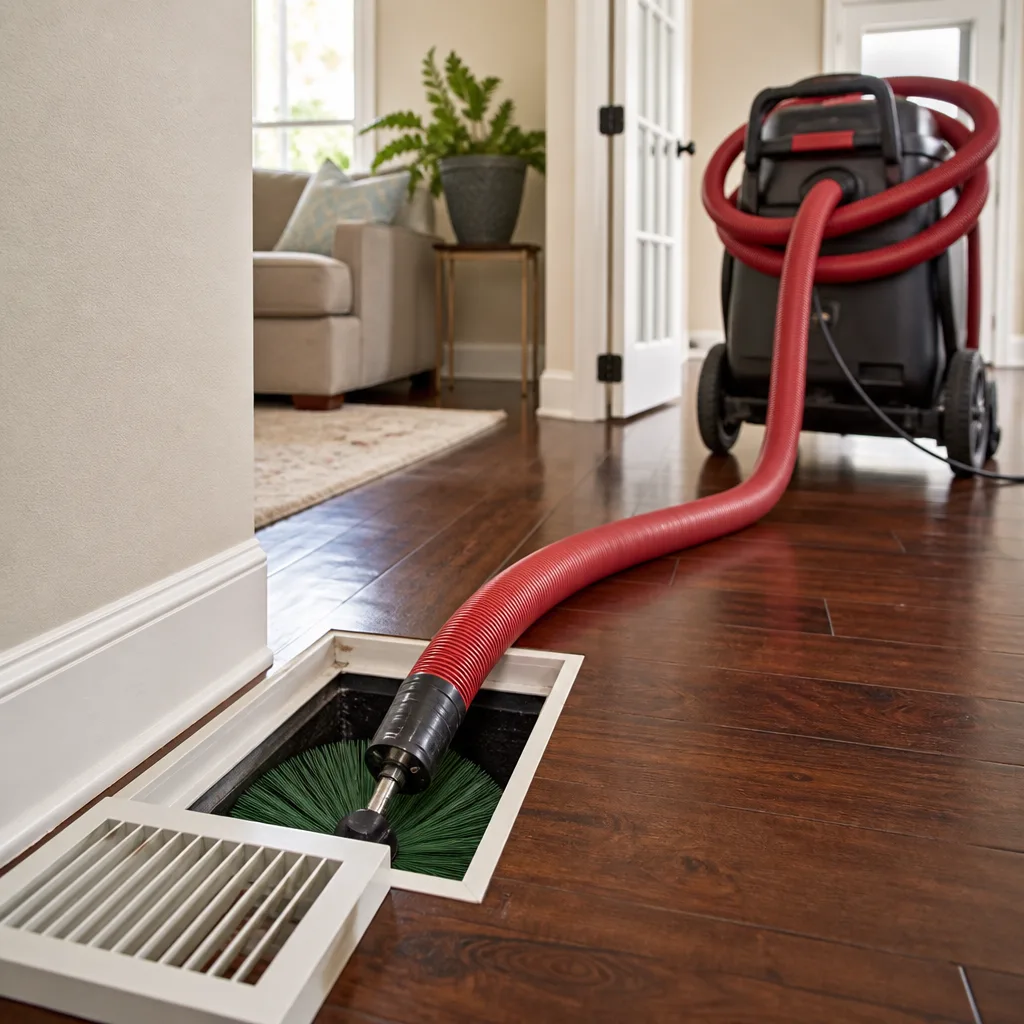
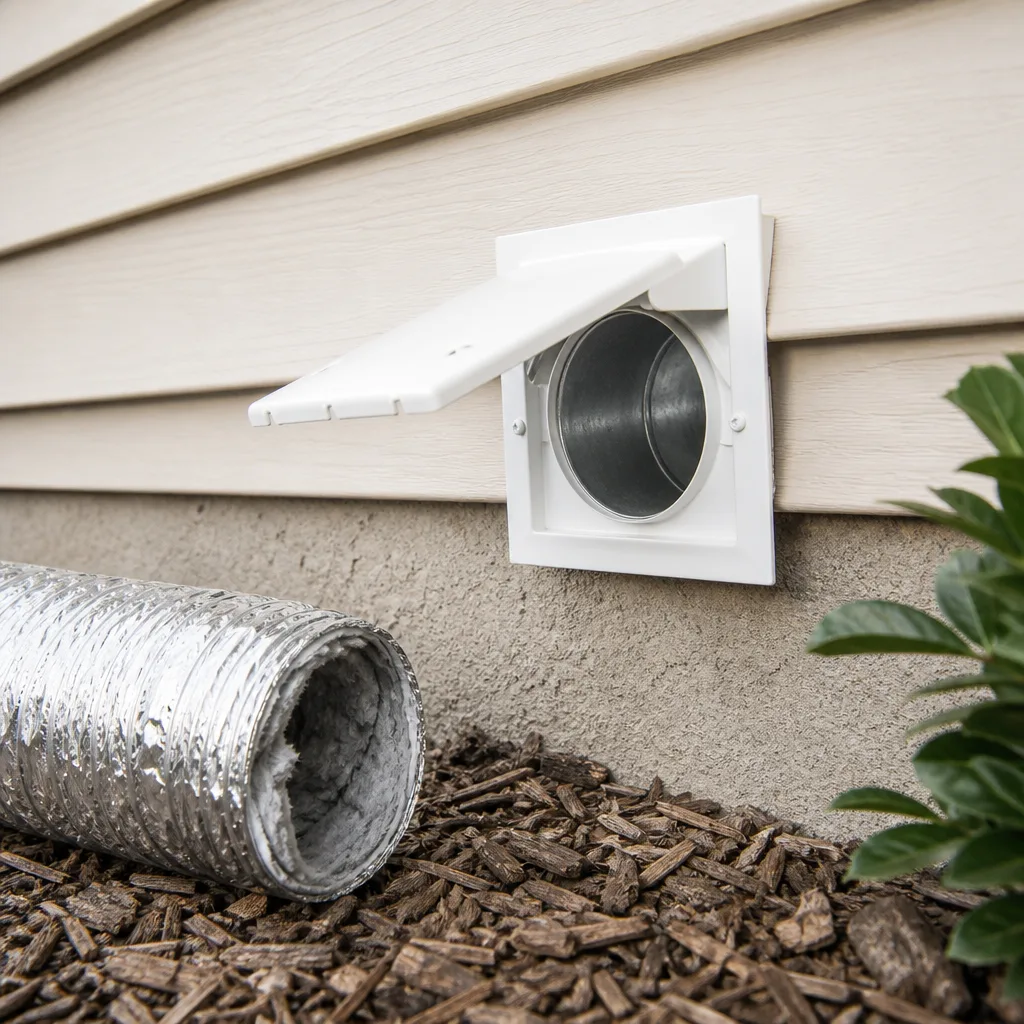
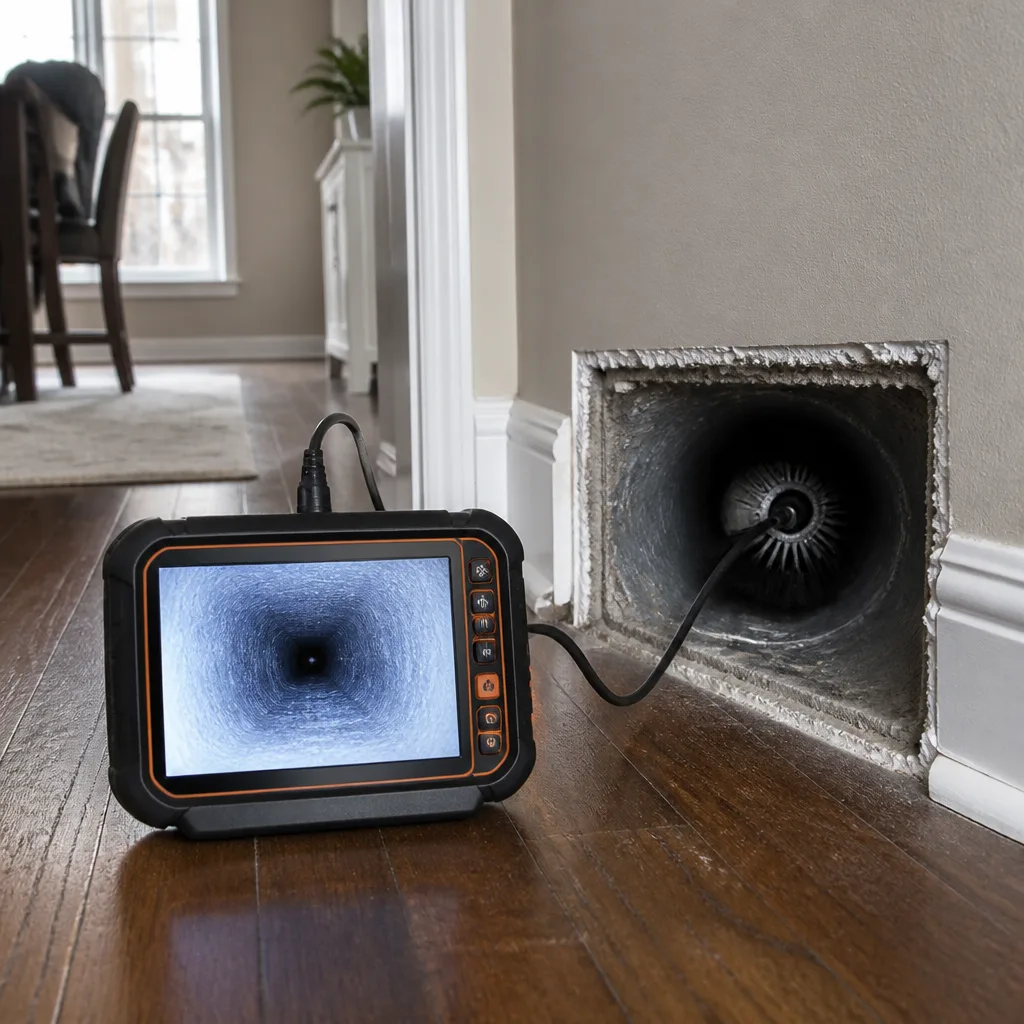
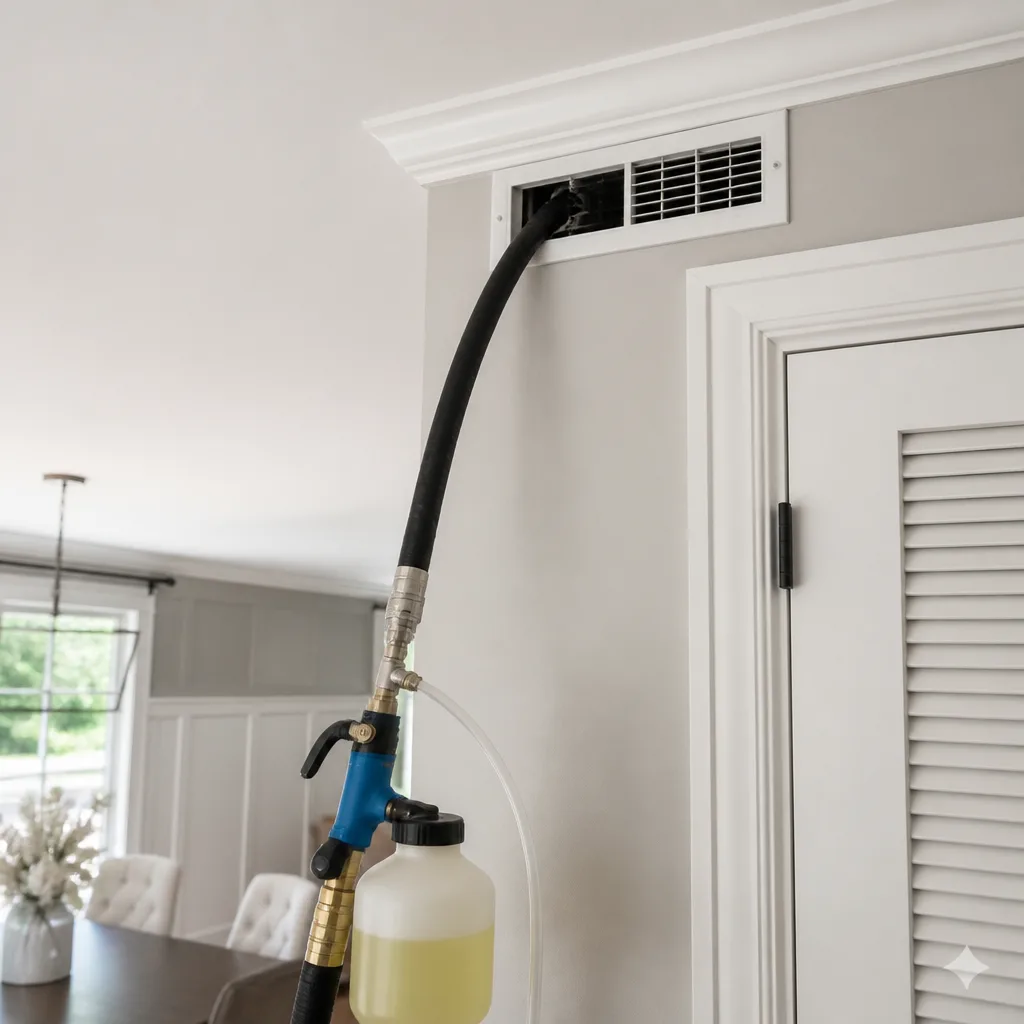
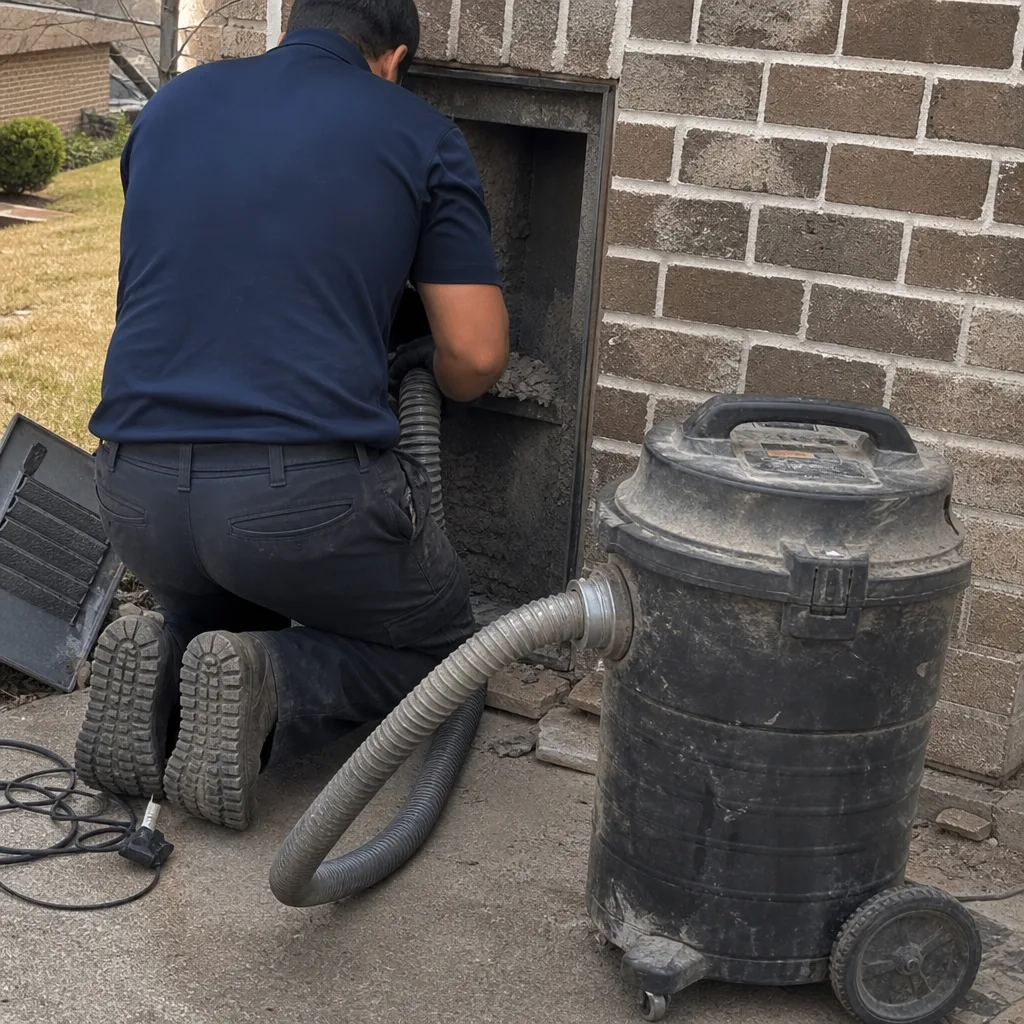 Before
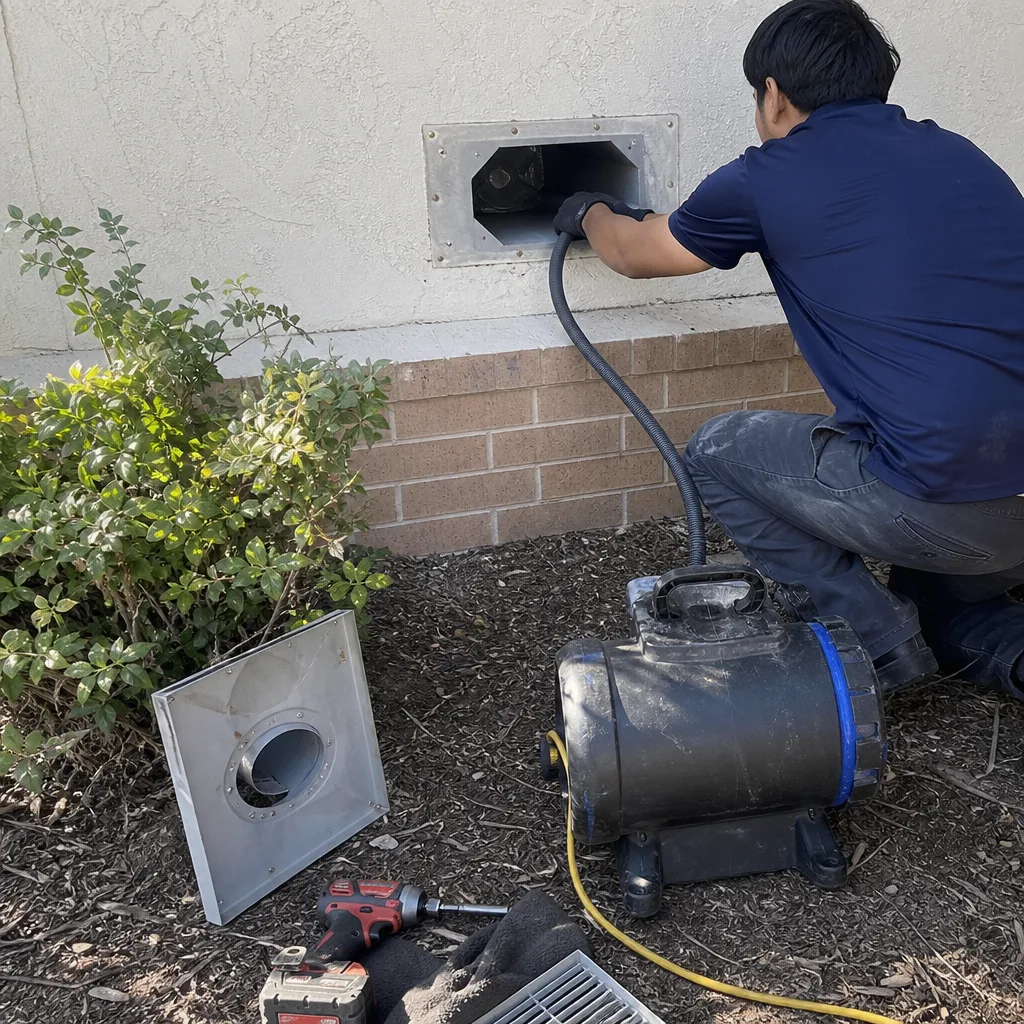 After
After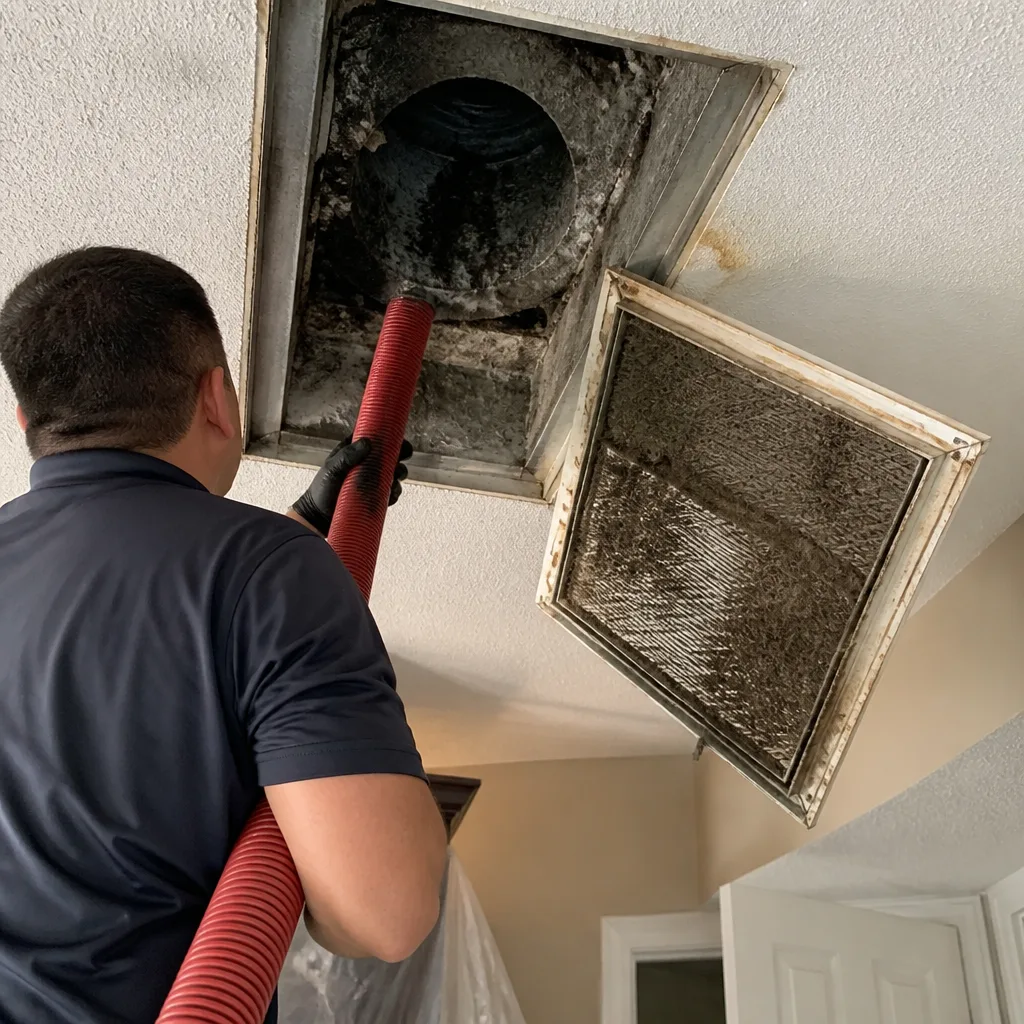 Before
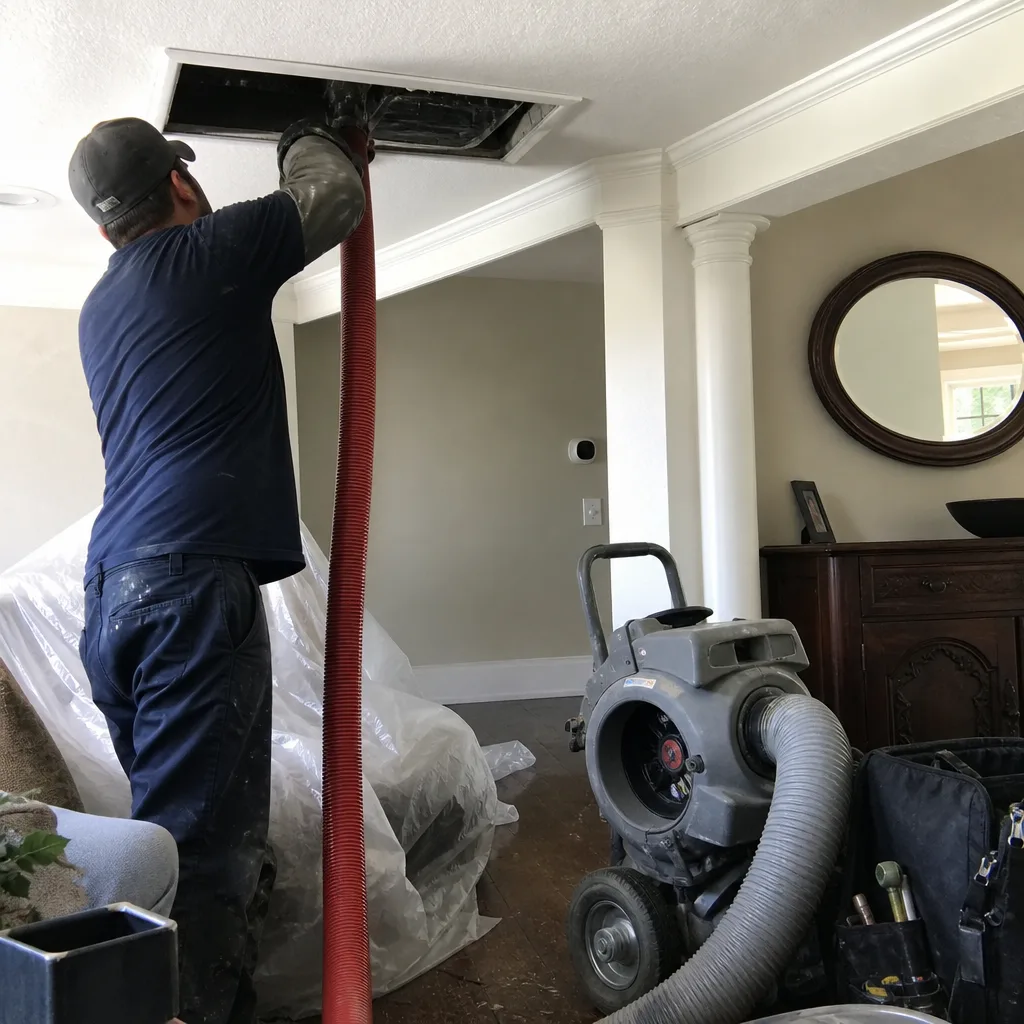 After
After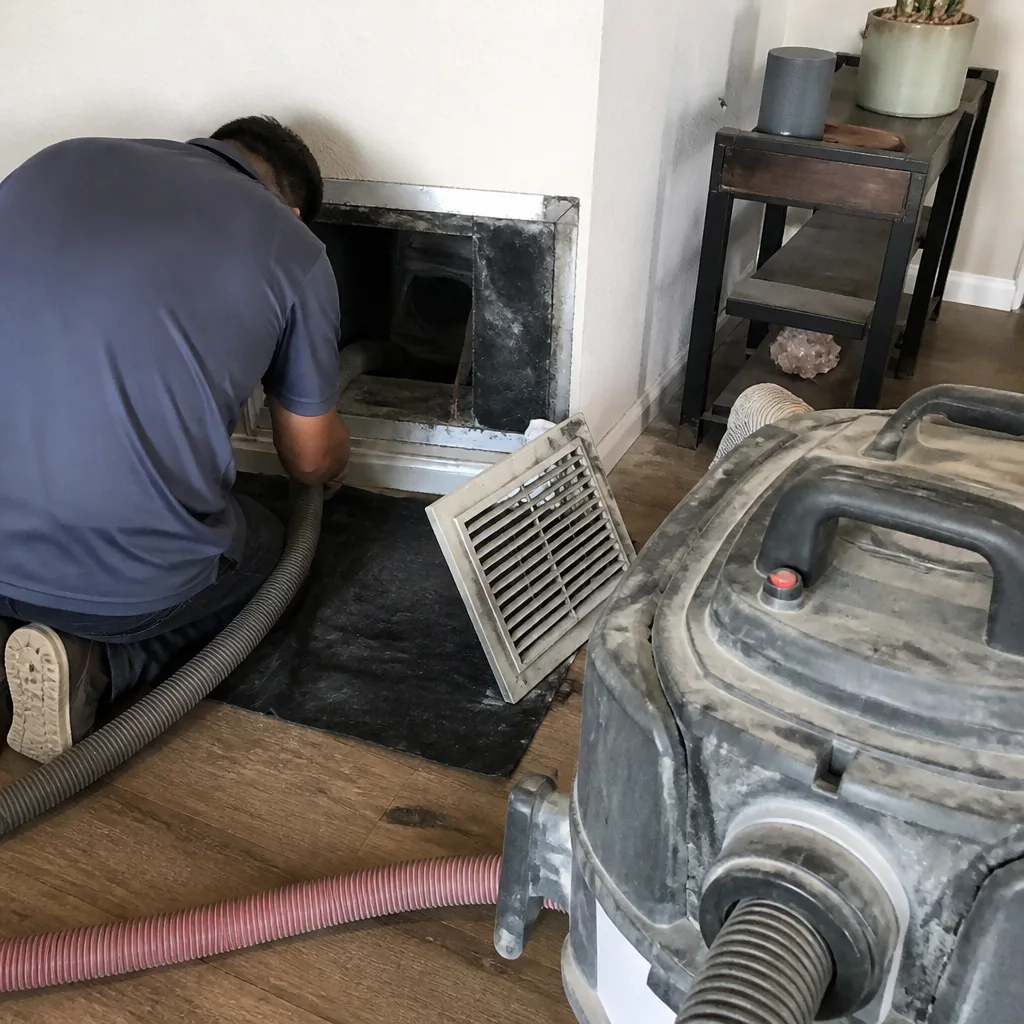 Before
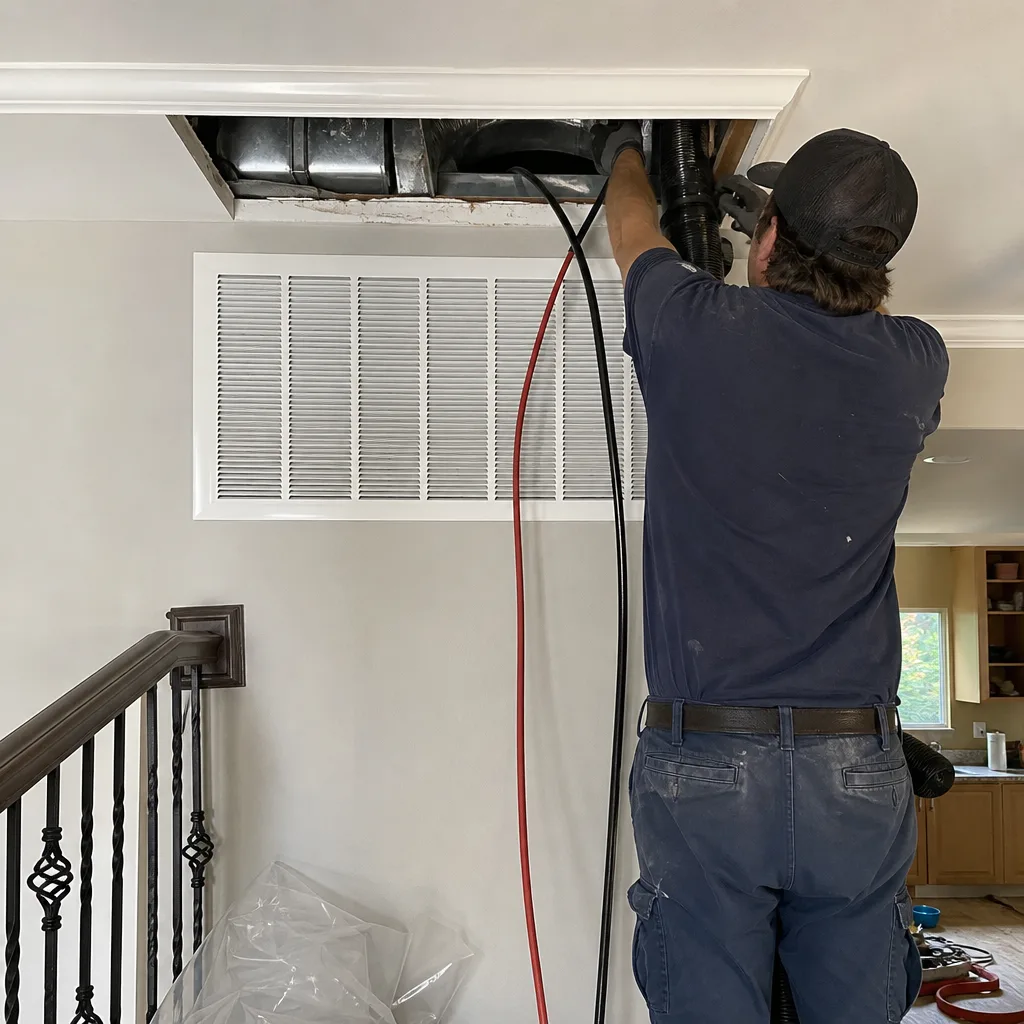 After
AfterHow Much Does Air Quality & Sanitizing Cost in Plano?
Air Quality & Sanitizing services in Plano, TX typically run between $150 and $650 for a standard single-family home, depending on the size of the system, the treatment method used, and whether duct cleaning is bundled in. Most Plano homeowners with a 2,000-to-3,500-square-foot home pay somewhere in the $250-$450 range for a full sanitizing treatment with a documented photo record included. CleanRun delivers a written price before any work starts – no ranges that balloon once we’re inside your home.
Air Quality & Sanitizing Cost Breakdown (2026)
Sanitizing is not one product – it’s a category that includes several distinct treatments, and the price difference between them is real. Here’s how the line items break down for the Plano market in 2026:
| Service | Typical Plano Price Range | Notes |
|---|---|---|
| EPA-registered duct sanitizer application (antimicrobial fogging) | $150 – $300 | Applied to duct interior surfaces after cleaning; Abatement Technologies products used |
| UV-C germicidal light installation (single lamp) | $275 – $475 | Installed at the air handler; Honeywell or Aprilaire units; ongoing protection vs. one-time treatment |
| UV-C germicidal light installation (dual lamp / coil purifier) | $425 – $650 | Covers both the coil and the airstream; recommended for homes with persistent odor or mold history |
| Whole-home air purifier / media filtration upgrade | $350 – $600 | Aprilaire whole-home units; installed in the plenum (main supply chamber) above the air handler |
| Mold-inhibitor treatment (duct interior surfaces) | $175 – $325 | Guardsman-compatible coating applied to duct walls; typically paired with duct cleaning |
| Air quality testing / assessment | $85 – $175 | Spore trap sampling or particle count; provides a baseline before any treatment decision |
| Full sanitizing package (cleaning + fog + UV lamp) | $550 – $950 | Bundled scope; most common choice for Plano homes built before 2005 or after a flooding event |
A few things push those numbers up or down. The biggest variable in Plano is system size: a 1,400-square-foot condo in downtown Plano near Legacy Drive has roughly half the duct footage of a 3,800-square-foot home in Willow Bend, and the price reflects that linearly. The second variable is access. Homes in West Plano’s older subdivisions – Deerfield, Windhaven Meadows – were built in the 1980s and early ’90s with ductwork often buried in slab returns or tight attic crawlways. That adds labor time, which shows up as a line item in the written price, not as a surprise at the end of the job. Third is pre-existing contamination: if the camera shows active mold growth or a significant debris mat inside the supply trunk, a basic fog treatment is not the right tool – the duct has to be cleaned first, or the sanitizer is just coating over a problem. Skipping the cleaning step is something the $79-coupon operators do regularly; it is one of the reasons those jobs don’t hold.
One local note worth knowing: Plano sits in a high-humidity corridor between Dallas and the Rowlett watershed. Summer dew points regularly stay above 65°F from May through September. That sustained humidity – especially in homes where the air handler is cycling off for long stretches overnight – creates condensation conditions inside duct systems that are unusual compared to drier Texas markets like El Paso or Midland. In concrete terms: we see mold and biofilm growth in Plano ductwork at a higher rate than the state average, which is part of why UV-C installation requests in Plano have increased noticeably since 2022. It’s not marketing – it’s what the camera keeps finding.
What Affects Air Quality & Sanitizing Pricing in Plano
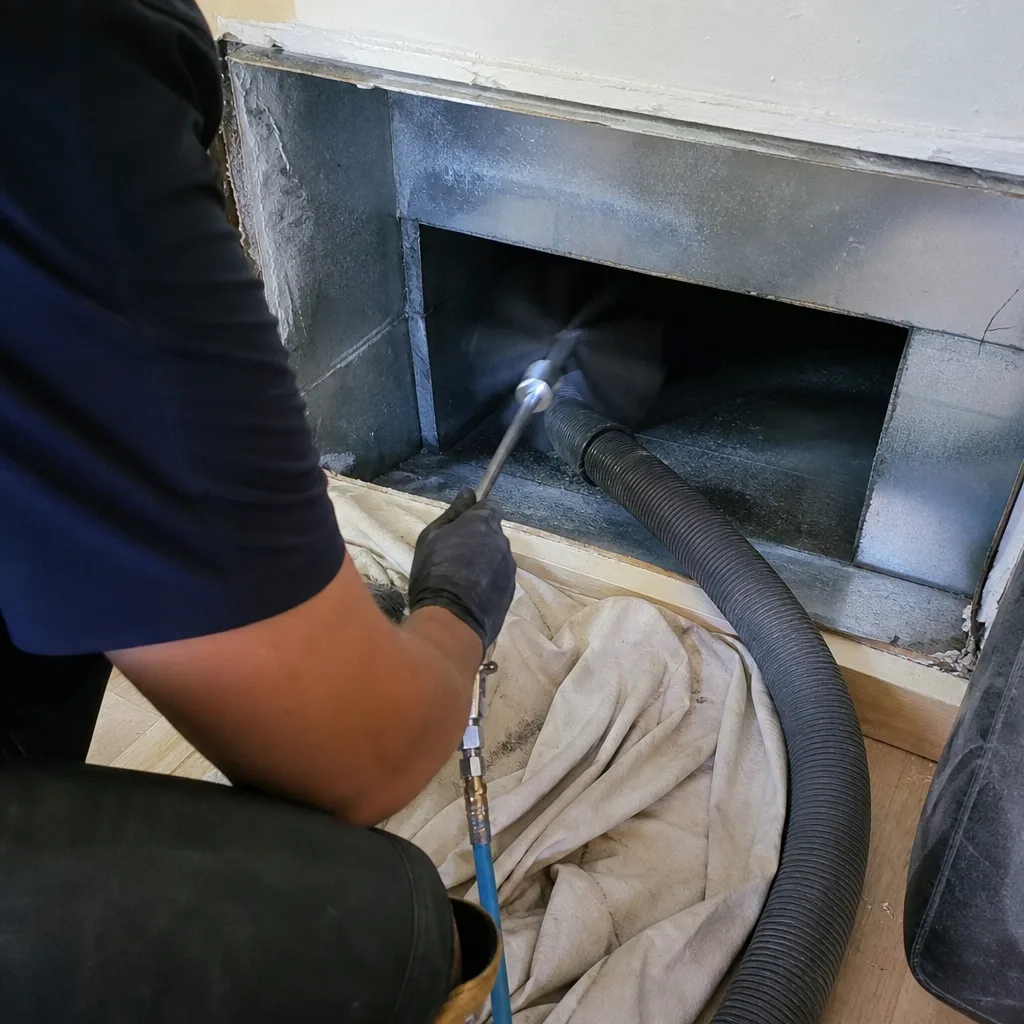
- Home size and duct footage: Pricing scales with the number of supply and return runs. A 2,500-square-foot home in Plano’s Chase Oaks neighborhood typically has 18-24 individual duct runs; a 4,000-square-foot home in Starwood can have 35 or more. More footage means more product, more application time, and a higher written price – all of which you’ll see itemized before any work starts.
- Treatment method chosen: An antimicrobial fog is a one-time application that costs less upfront but needs to be reapplied over time. A UV-C lamp costs more to install but operates continuously for 12-18 months before the bulb needs replacement. The right choice depends on what the camera actually shows, not on which option has the better margin.
- Whether duct cleaning is included: Sanitizing applied to a heavily contaminated duct is a partial fix at best. If the Rotobrush inspection camera shows a debris layer thicker than about a quarter inch at the first elbow off the plenum – which happens more often than not in Plano homes built before 2000 – the written scope will include cleaning before treatment. That adds $250-$500 to the total, but it’s the only way the sanitizing work actually holds.
- System age and configuration: Older flex-duct systems common in Plano’s Heritage Creekside and Haggard Farm neighborhoods often have compression points and disconnected sections that weren’t visible until the camera went in. Repairing or reinforcing those before sanitizing adds cost. Newer rigid-duct systems in Plano’s 75024 zip code developments are generally easier to treat uniformly.
- Accessibility of the air handler and plenum: UV-C lamp installation requires physical access to the air handler cabinet. In homes where the unit is in a low-clearance attic space – common in Plano’s west-side neighborhoods built in the late ’80s – installation takes longer and is priced accordingly.
- Add-on products and filter upgrades: Upgrading from a standard 1-inch filter slot to a 4- or 5-inch Aprilaire media filter box changes the plenum geometry and requires a short fabrication step. In the Plano market, that modification runs $150-$250 as an add-on when done at the same visit as a sanitizing service.
BeforeAfterHow to Save on Air Quality & Sanitizing
The most direct way to reduce cost is to bundle services at one visit. When duct cleaning, sanitizing, and a UV-C lamp installation happen on the same day, we’re already set up with negative-pressure extraction equipment (a containment system that pressurizes the duct network to pull debris toward a collection point rather than dispersing it through the house). Adding the sanitizing application at that point takes less additional time than a standalone visit, and that efficiency is reflected in the bundled price. A homeowner in Plano’s Legacy West area who scheduled all three services in a single visit in early 2025 paid roughly $180 less than the sum of the individual service prices would have been – because the truck was already there, the equipment was already staged, and the photo record covered all three scopes at once.
Second: get the assessment before committing to the full treatment. An air quality test or camera inspection at $85-$175 tells you exactly what’s present before you spend $400 on a fog treatment your system may not need. Plano homes built after 2015 in newer developments like Ridgewood Park – where the ductwork is sealed rigid board and the HVAC was installed new – sometimes show clean enough interiors that a basic filter upgrade and a single fogging are all that’s warranted. The camera tells you. A salesperson who skips the camera and recommends the maximum treatment regardless of what they find is not doing you a service.
Third: use the Free Second Opinion. If you’ve received a written estimate from another company, bring it to us. CleanRun puts its own written number next to every competitor quote at no cost – not to undercut blindly, but because a documented side-by-side comparison is more useful to you than a verbal promise. We’ve reviewed quotes from Plano-area competitors in the $79-coupon category that listed a single sanitizing line item at $695 with no scope detail, no product named, and no equipment specified. That’s not a price – it’s a number with no accountability attached to it.
Fourth: schedule in the shoulder season. Late September through November and February through early April are slower periods for HVAC-related services in the Plano market. Technician availability is higher, scheduling is easier, and jobs can sometimes be completed more efficiently. The written price is the written price year-round – we don’t do seasonal surge pricing – but easier scheduling means you’re less likely to be pushed to a secondary time slot.
To get a written price for your specific home and system, call (469) 452-7766. A live person answers that number, and we can give you a clear scope before the truck rolls.
FAQs – Air Quality & Sanitizing Cost
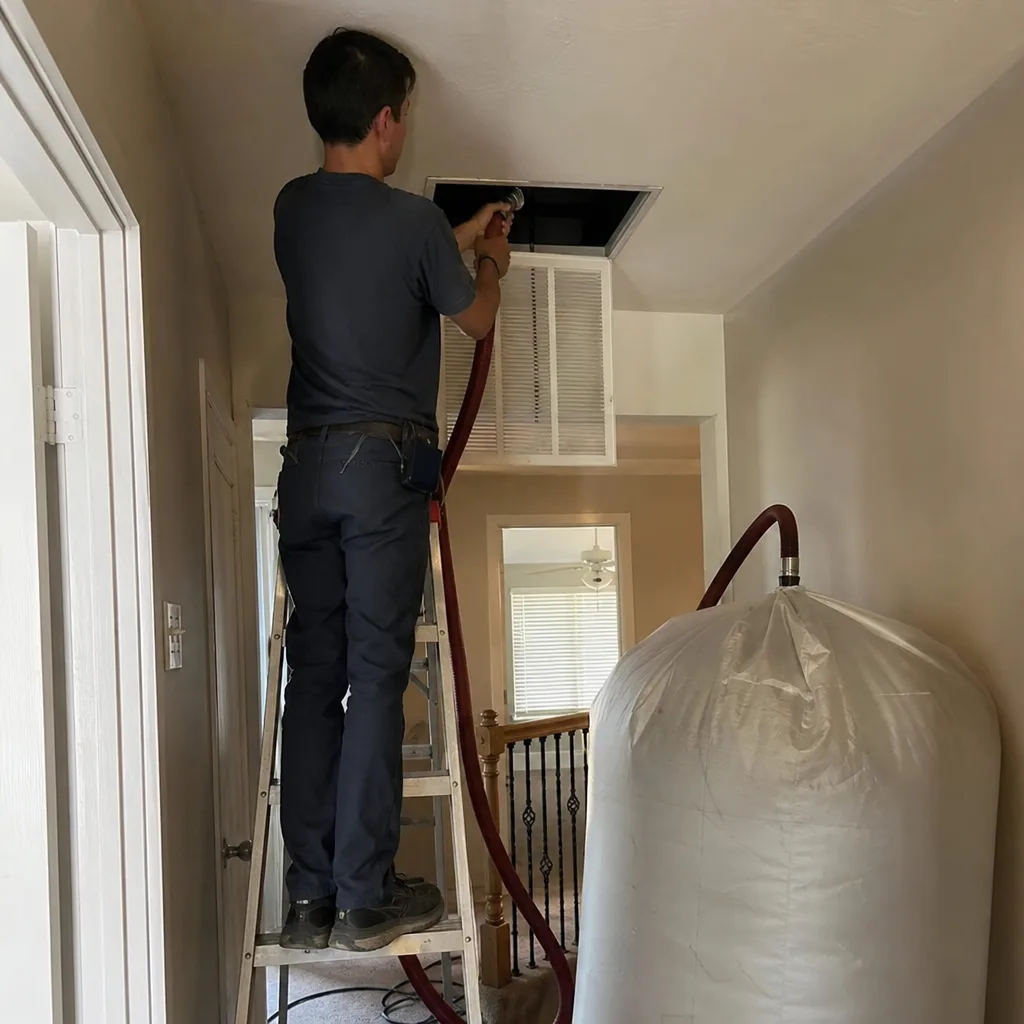
How much does air duct sanitizing cost in Plano, TX?
Duct sanitizing in Plano runs $150-$325 for a standalone antimicrobial fogging treatment on a standard single-family home. If the inspection camera shows contamination that requires cleaning first – which is the case in the majority of Plano homes built before 2005 – the total bundled cost typically lands between $450 and $750. The written price you receive before any work starts will itemize each step, including which product is being applied and to which sections of the system. Call (469) 452-7766 for a written estimate specific to your home.
Is UV-C sanitizing worth the cost compared to chemical fogging?
UV-C germicidal light installation costs more upfront – $275-$650 depending on lamp count and unit type – but provides continuous treatment rather than a one-time application. In Plano’s humid climate, where duct surfaces stay wet longer during the cooling season, UV-C is the more durable solution for homes that have experienced mold growth or persistent musty odor. Chemical fogging, at $150-$300, makes more sense when the contamination is mild and the duct condition is otherwise clean. The camera inspection tells you which category your system falls into. Call (469) 452-7766 to schedule an inspection with a written price before any recommendation is made.
Does air duct cleaning need to happen before sanitizing?
Yes, in most cases. Applying an antimicrobial agent over a debris mat – the layer of dust, skin cells, and biological material that accumulates at duct elbows and trunk connections – reduces the treatment’s effectiveness significantly, because the sanitizer contacts the surface debris rather than the duct wall itself. In Plano, our inspection camera shows debris build-up requiring cleaning before treatment in a high proportion of homes built before 2010. When both are needed, the bundled scope runs $450-$950 depending on system size. A written price with both line items separated will be delivered before work begins.
How long does an air quality sanitizing treatment last?
A chemical antimicrobial fogging treatment on clean ducts typically holds for 12-36 months in a Plano-area home, depending on humidity levels, filter maintenance, and whether the root cause of any contamination (a condensate leak, a return-air breach, a poorly sealed plenum) was addressed at the same visit. UV-C lamp treatments are ongoing but the bulb’s germicidal intensity drops after roughly 12-18 months and should be replaced at that point. We document the installation date in the photo record so you have a clear reference point – not a best-guess estimate from memory.
Can I just buy a portable air purifier instead of a duct sanitizing service?
A portable HEPA unit in the $150-$400 range will improve particulate counts in the room where it’s running, but it does not treat the duct system itself. If the source of odor, mold spores, or biological contamination is inside the supply trunks or at the evaporator coil, a portable purifier filters what comes out – it doesn’t address what’s generating the problem. In practical terms, Plano homeowners in Legacy Heights and Murphy Road-adjacent neighborhoods who’ve run portable purifiers for years and still notice a musty smell when the system kicks on are usually dealing with a coil or duct interior issue that requires an in-system treatment. A camera inspection at $85-$175 will show you which situation you’re in. Call (469) 452-7766 and we’ll give you a written answer, not a guess.
What’s Actually Included in a CleanRun Air Quality Service
This section exists because “air quality service” is one of the most vague phrases in the HVAC cleaning industry. Operators charge wildly different amounts for things that are not remotely comparable, and homeowners in Plano who’ve called around have told us that getting two quotes for “duct sanitizing” sometimes means getting quotes for two completely different scopes. Here’s what a CleanRun Air Quality & Sanitizing in Plano service includes, in writing, before the job starts:
- Camera inspection of the duct interior: A Rotobrush inspection camera travels each supply and return run before any treatment decision is made. You see what we see, documented in photographs.
- Written scope delivered before work starts: Under Haven Standard Clause 1, no job begins without a written price that names the product, the method, and the sections of the system being treated. “Call for a quote” is not something we say.
- EPA-registered treatment products: Abatement Technologies antimicrobial agents where fogging is indicated; Honeywell or Aprilaire UV-C units where germicidal light is specified. Product names are on the written scope – you can look them up before agreeing to anything.
- Documented photo record upon completion: The inside of every duct run that was treated is photographed after treatment and delivered to you as a standard part of the job record – not an upgrade, not an option. Every job, since 2013.
- 365-Day Done Right Promise: If the work is not right, we make it right. That’s a written guarantee, not a policy that requires manager approval. It’s on the job document, not buried in marketing copy.
- Background-checked, uniformed technician: Under Haven Standard Clause 3, the technician arriving at your door is identified by name before arrival and has passed a background check. The license is published, not buried in a footer.
Tomas Reyes built CleanRun around the idea that documentation is the service – not a feature of it. The photo record, the written price, the named products, the 365-Day Promise: those are not extras that get added to make a proposal look good. They’re the baseline. Every job. Every home. Whether it’s a 1,200-square-foot townhouse near the Shops at Legacy or a 5,000-square-foot home in Willow Bend with three air handlers and six zones.
How Plano’s Climate Specifically Affects Air Quality Costs
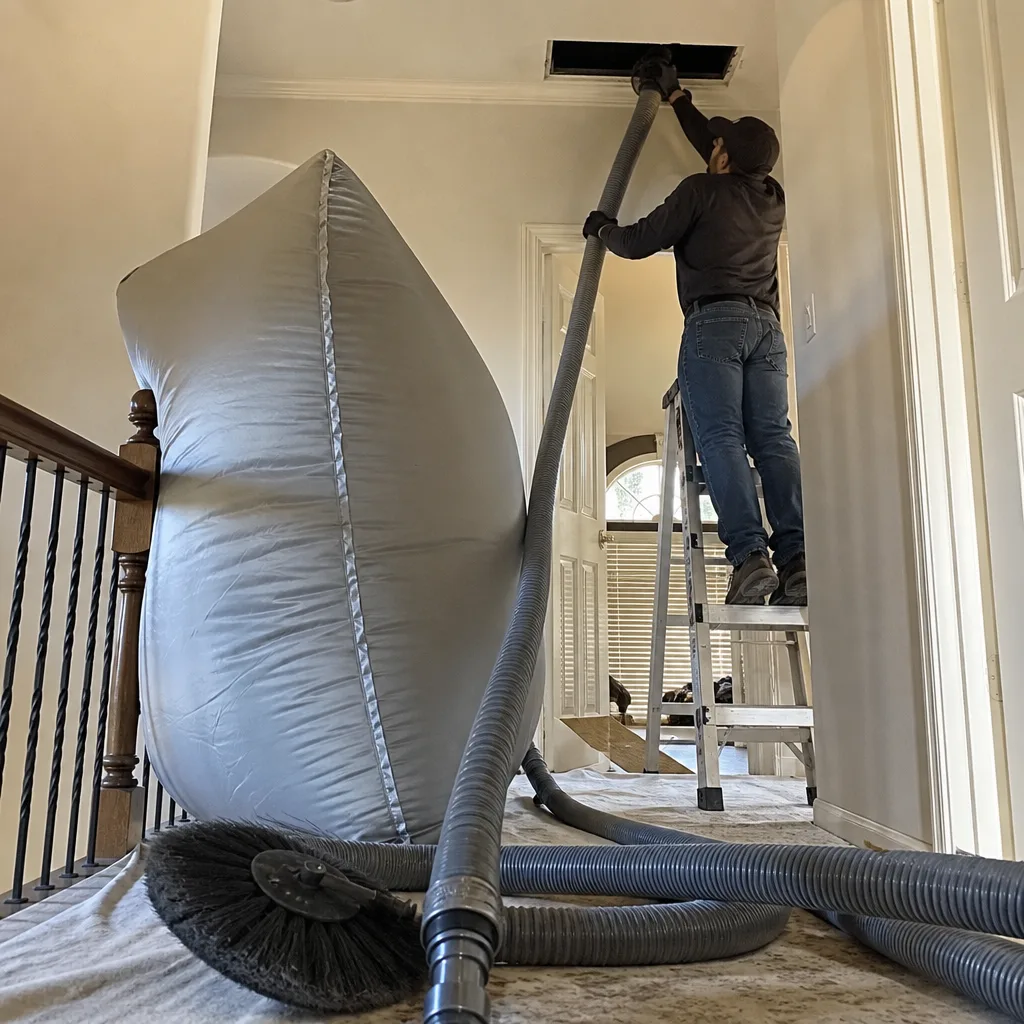
Plano sits in USDA Hardiness Zone 8a, and the summer cooling load here is substantial. From June through August, residential HVAC systems in Plano run for extended periods – sometimes 12-16 hours per day during triple-digit heat stretches. That continuous operation creates a consistent airflow through the duct system, which is actually favorable for particulate dispersal. The problem is the overnight cycle-off period. When the system shuts down and the attic temperature spikes after sunset, residual moisture inside flex-duct systems condenses on the interior duct wall. In homes in Plano’s older Heritage districts where the ductwork has small compression points or unsealed joints, that moisture has nowhere to go. Over two or three seasons, that’s how biofilm starts.
Plano’s 75023, 75024, and 75025 zip codes each have distinct housing stock. The 75025 corridor along K Avenue and Coit Road includes a significant number of homes built in the 1975-1995 range, where original flex-duct installations are still in place. Those systems almost always show more interior contamination on camera than the newer rigid-board systems in 75024’s developments north of Spring Creek Parkway. When we price a sanitizing job for a 75025 home, we budget for a longer inspection and more product coverage, and that shows up in the written price range at the top – it’s not a field adjustment after we’re inside.
For reference, Plano’s average relative humidity sits around 65% in the morning hours for most of the year. Compare that to Austin at roughly 60% or Lubbock at closer to 50%, and you understand why Plano HVAC systems need more active attention to duct interior conditions than many other Texas markets. That context matters when deciding between a one-time fogging treatment and a UV-C lamp – and it’s part of why Tomas Reyes and the CleanRun team photograph every run rather than relying on a technician’s visual estimate from the register opening.
Comparing CleanRun Pricing to What Else You’ll Find in Plano
You’ll find Plano-area operators offering “complete duct sanitizing” for $79-$149. Here’s what that price typically gets you: a technician with a shop-vac or a low-pressure sprayer, no camera, no written scope, and a product that may or may not be EPA-registered for duct interior application. We’re not saying that to be harsh – we’re saying it because we’ve seen the before photos when those customers call us six months later with the same odor problem. The camera does not lie, and a before photo from a system that was supposedly sanitized eight months ago that still shows a biofilm mat at the first trunk elbow is not an unusual thing for us to photograph in Plano.
The question to ask any operator before agreeing to a price is: what product are you applying, what is its EPA registration number, and can I see the interior of my ducts before and after? If the answer to any of those is vague, the written price is not a real price – it’s a number used to get the truck in the driveway.
From the main home page, you can see the full scope of what CleanRun documents on every visit. The photo record and the 365-Day Done Right Promise are not separate offerings – they’re part of every job, including every air quality and sanitizing appointment in Plano.
Key Takeaways
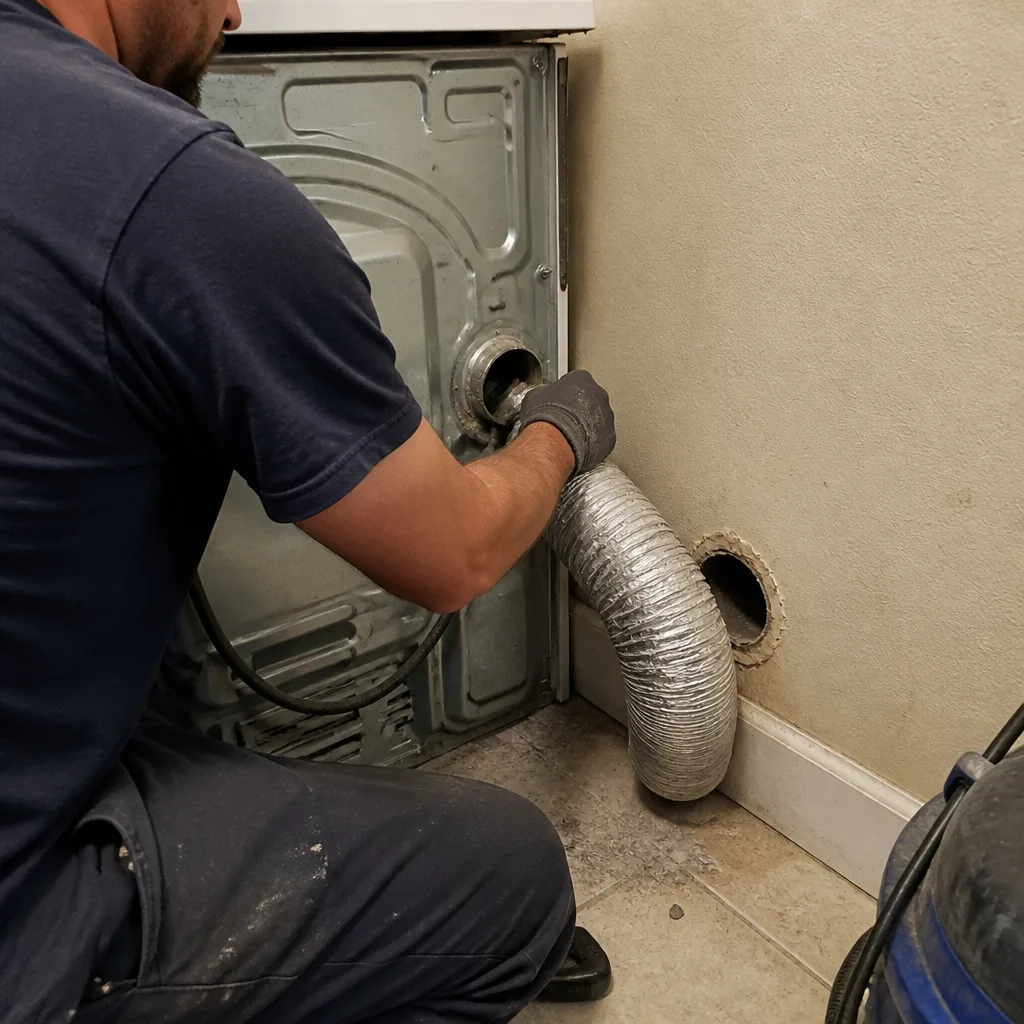
- Air quality and sanitizing in Plano, TX costs $150-$950 depending on treatment type, system size, and whether cleaning is included.
- Most Plano homeowners with a 2,000-3,500 sq ft home pay $250-$450 for a standalone sanitizing treatment.
- UV-C germicidal lamp installation runs $275-$650 and provides ongoing protection; antimicrobial fogging runs $150-$300 and is a one-time treatment.
- Plano’s sustained summer humidity creates duct conditions that make sanitizing more than a precaution – camera inspections regularly confirm active biofilm or mold growth in homes built before 2005.
- Bundling duct cleaning with sanitizing at the same visit typically saves $150-$250 versus scheduling separately.
- Every CleanRun job includes a written price before work starts, a camera inspection of every run, and a documented photo record delivered at job completion – no exceptions.
- A Free Second Opinion on any written competitor estimate is available at no cost – call (469) 452-7766.
If you have a written estimate from another company, or if you’ve noticed musty air, increased allergy symptoms, or visible debris at your supply registers, call (469) 452-7766. A live person answers that number at any hour. Tomas Reyes and the CleanRun team will give you a written scope and a written price before any work starts – and you’ll have a documented photo record of every duct run when the job is done. That’s not a promise we make in marketing copy; it’s Haven Standard Clause 1, and it has been since 2013.
Pricing reflects the Plano market as of 2026. CleanRun Air Duct Cleaning Plano offers free estimates – call (469) 452-7766.
Written by Tomas Reyes, Owner at CleanRun Air Duct Cleaning Plano, serving Plano, TX since 2013.
What Our Customers Say
"The before and after photographs of each run are the reason I used them. You cannot argue with what came out of the return."
- Marguerite O."On time, professional, and explained what the readings meant without talking down to me."
- Warren E."The dryer vent was almost completely blocked with lint. They showed me the photograph and I understood immediately why the dryer had been running twice."
- Lucia M.