
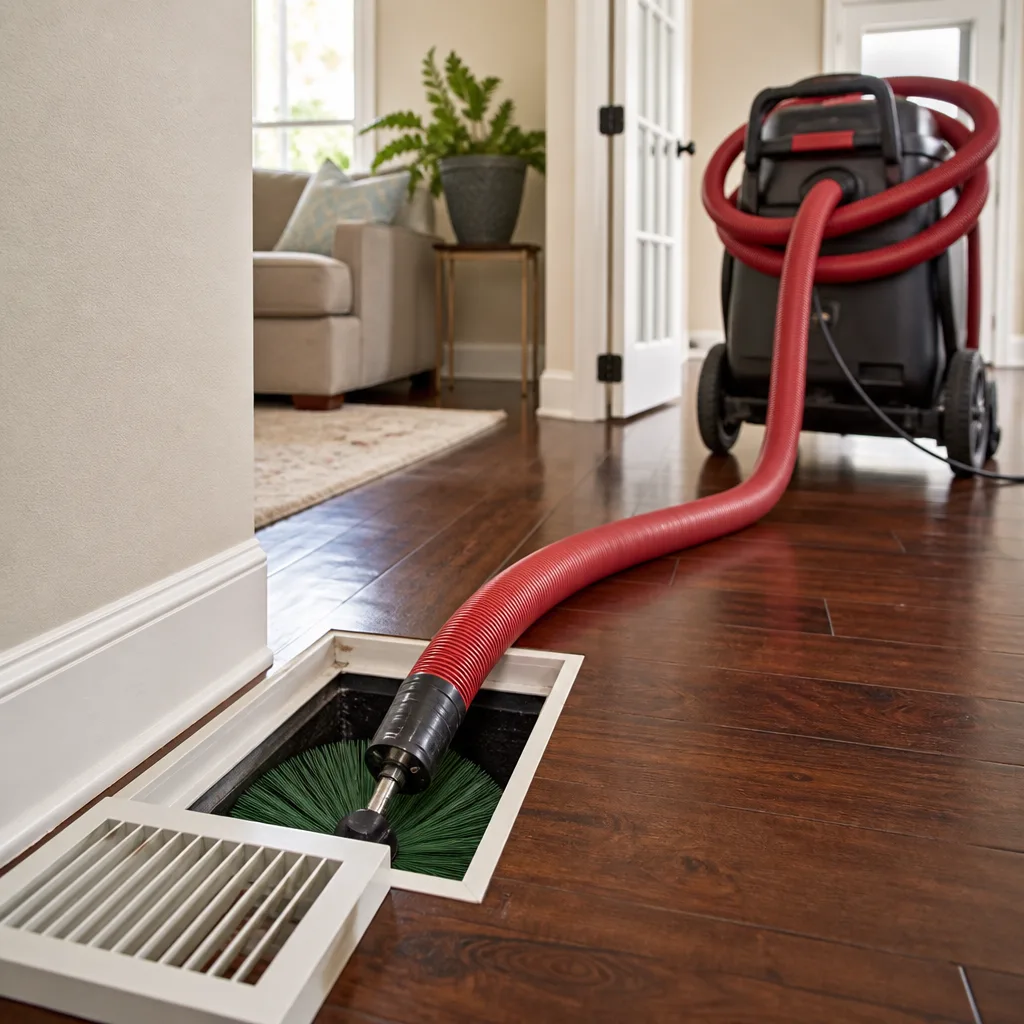
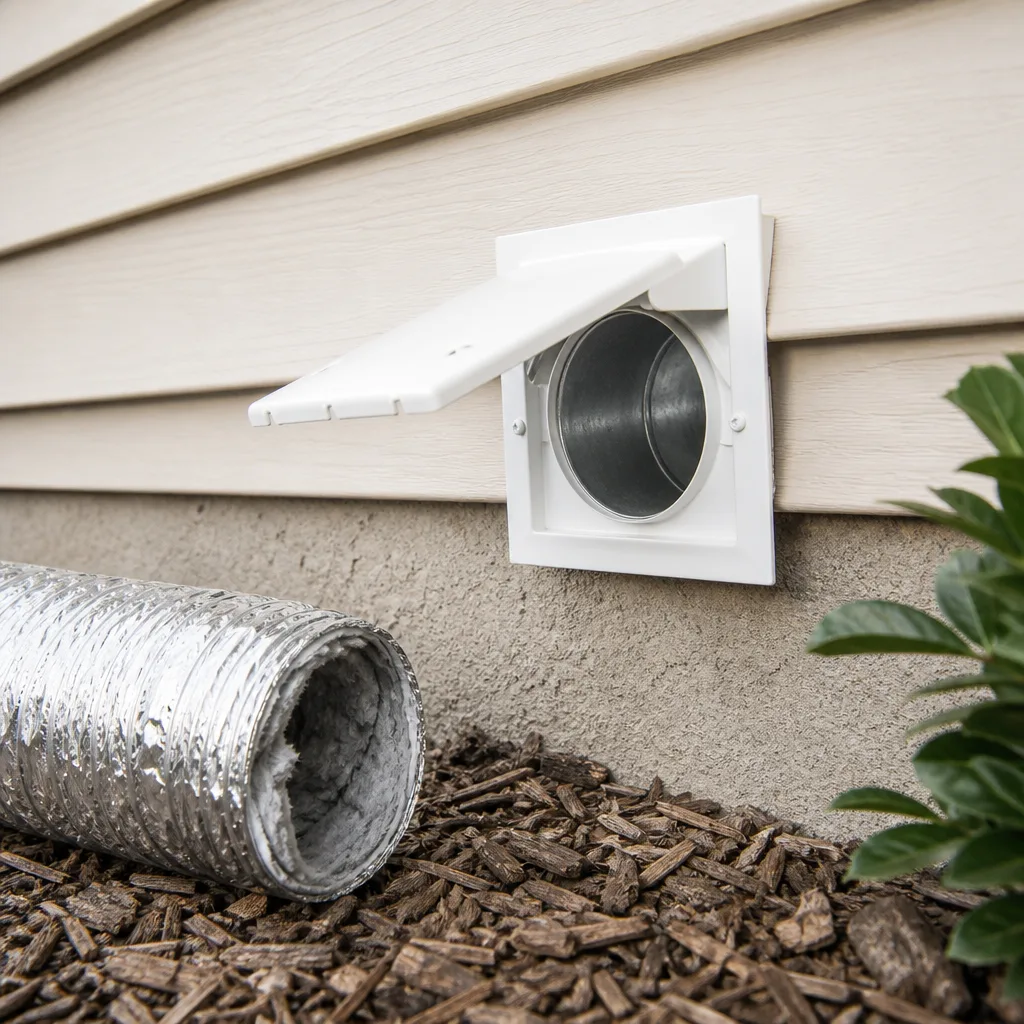
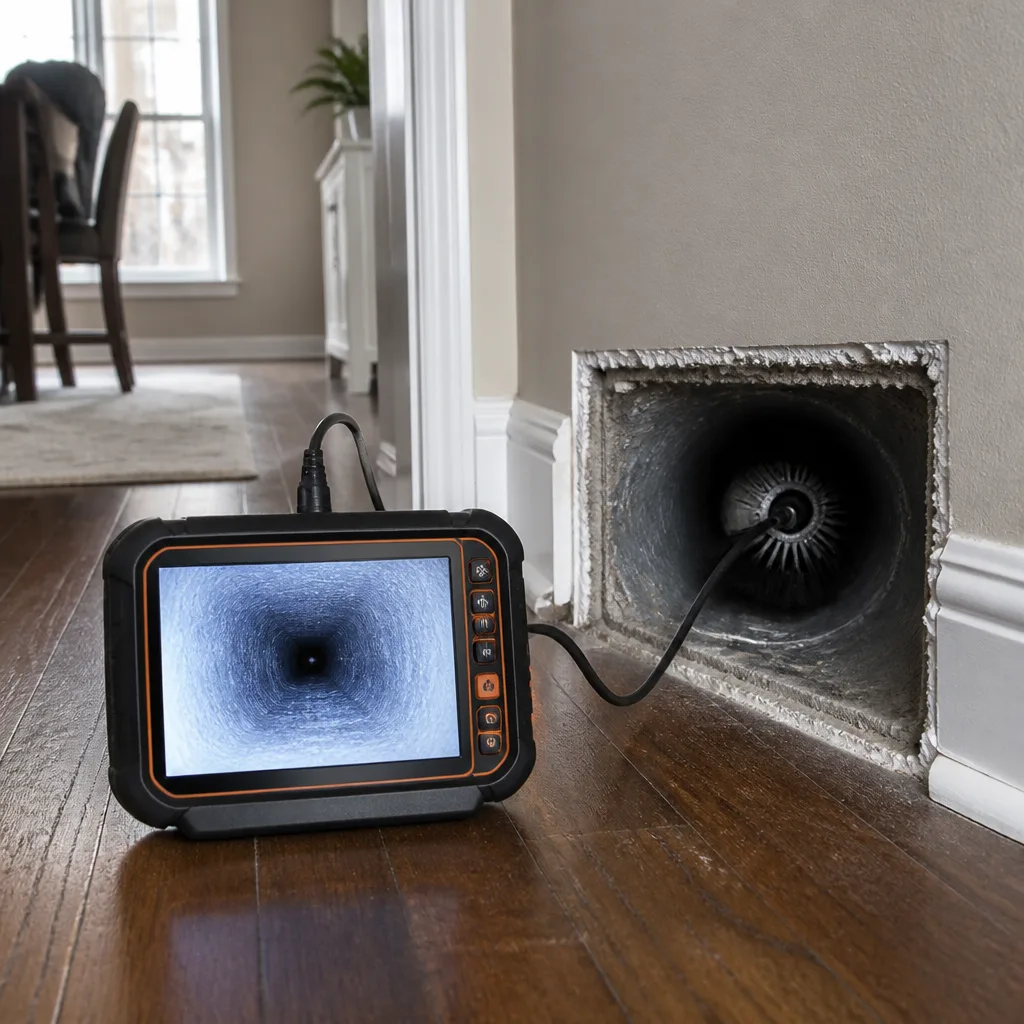
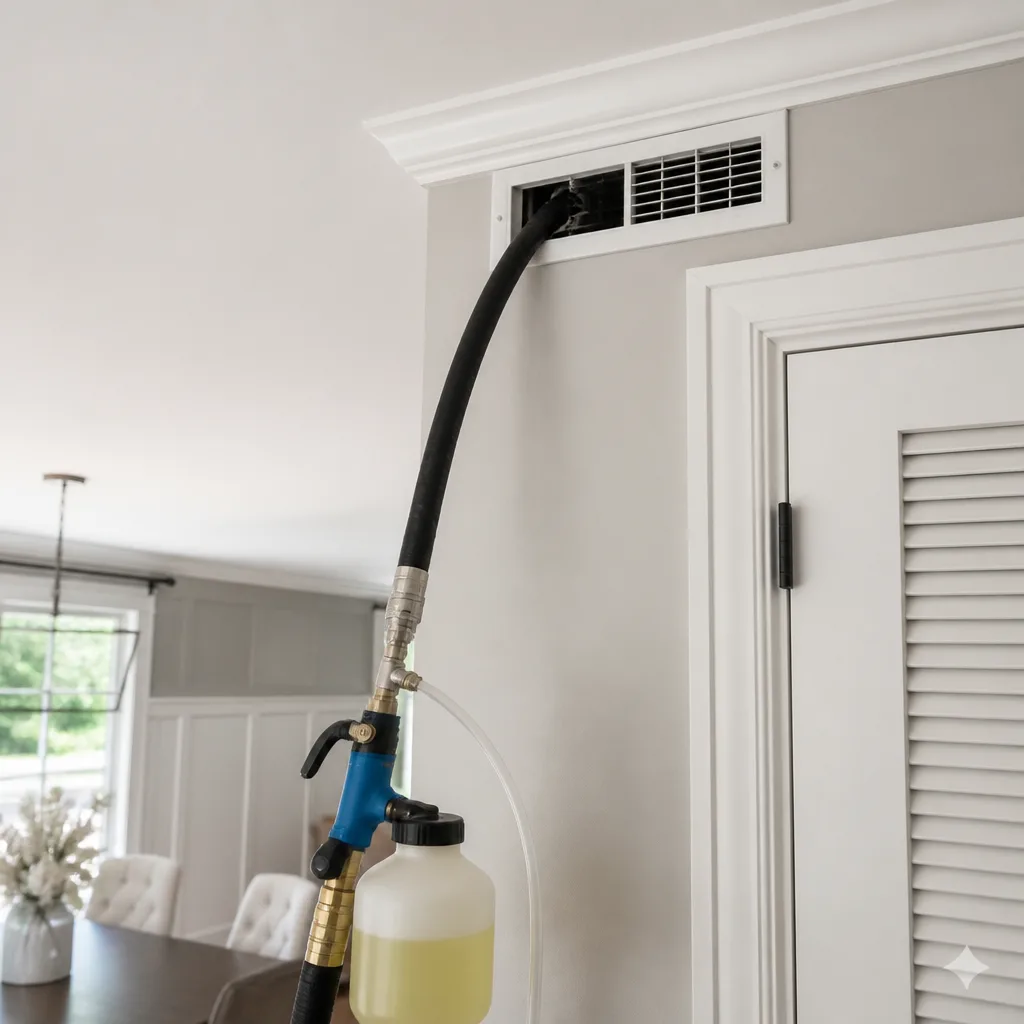
Whole-system duct and dryer vent check with before-and-after photos - you see exactly what came out of your vents
That "$99 whole-house special" is a bait ad - the real number appears once they are in your hallway, or the "clean" is a shop-vac at the register. We photograph the inside of your ducts before and after instead.
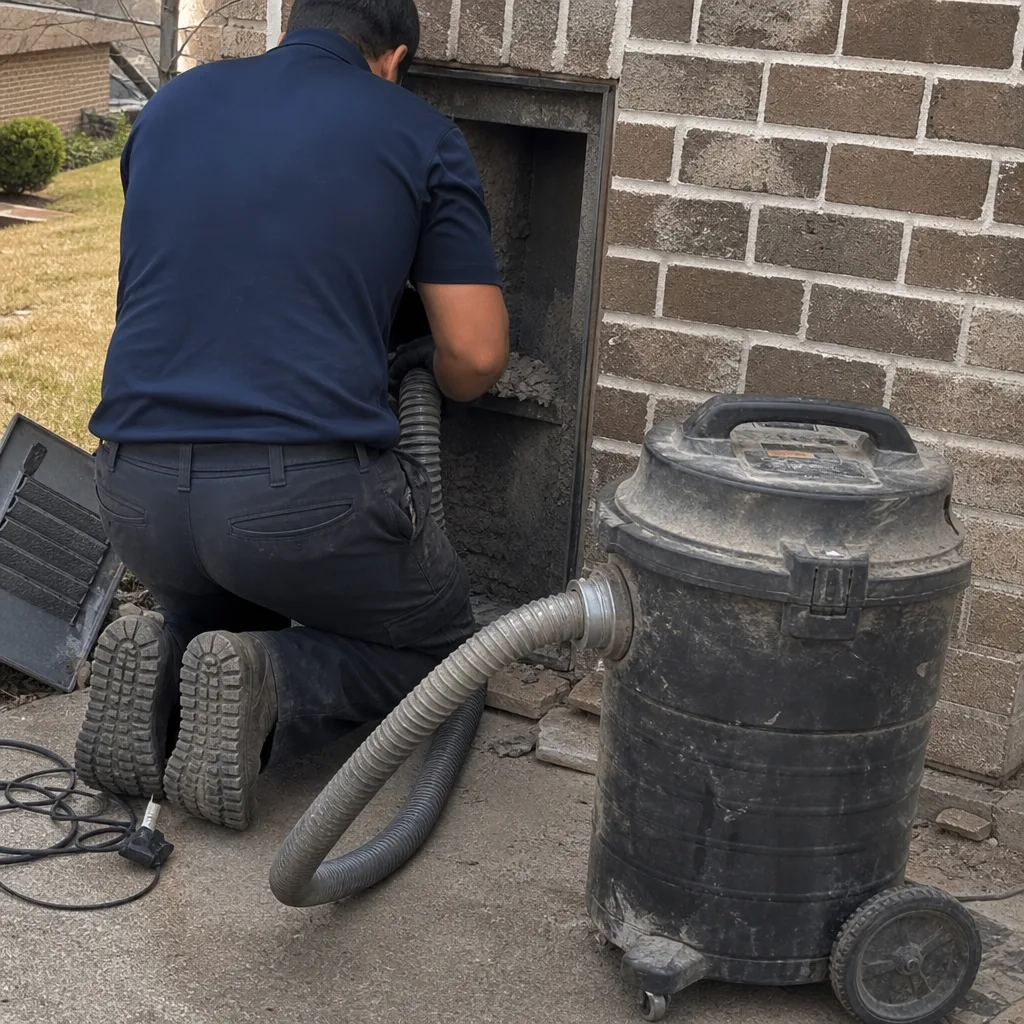 Before
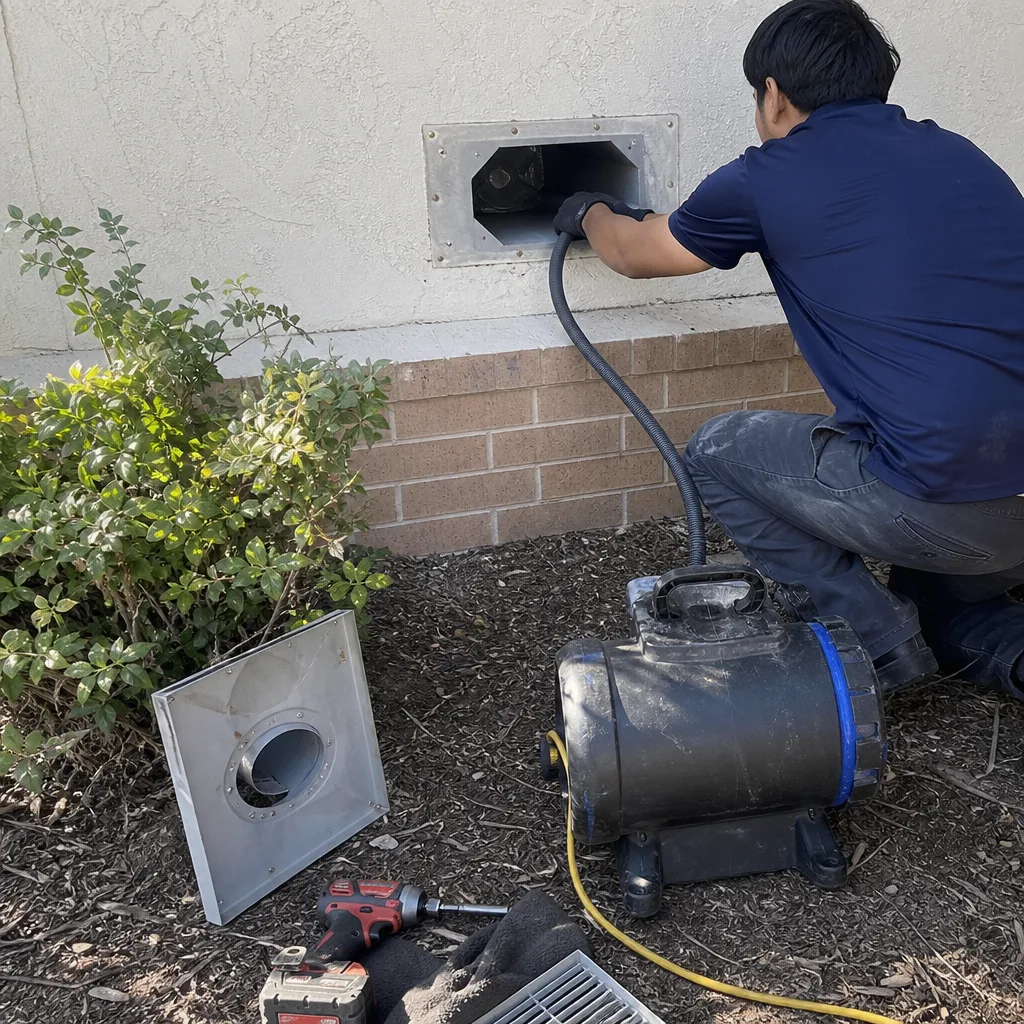 After
After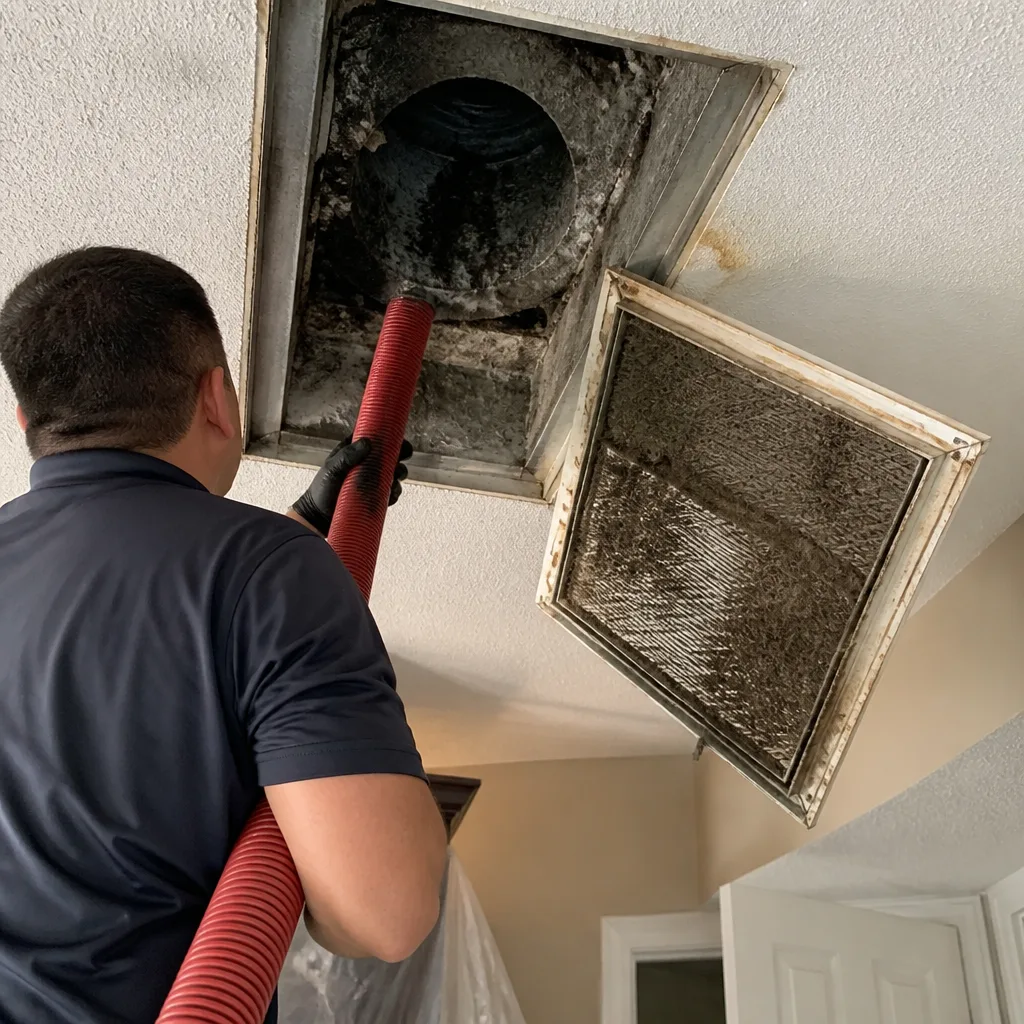 Before
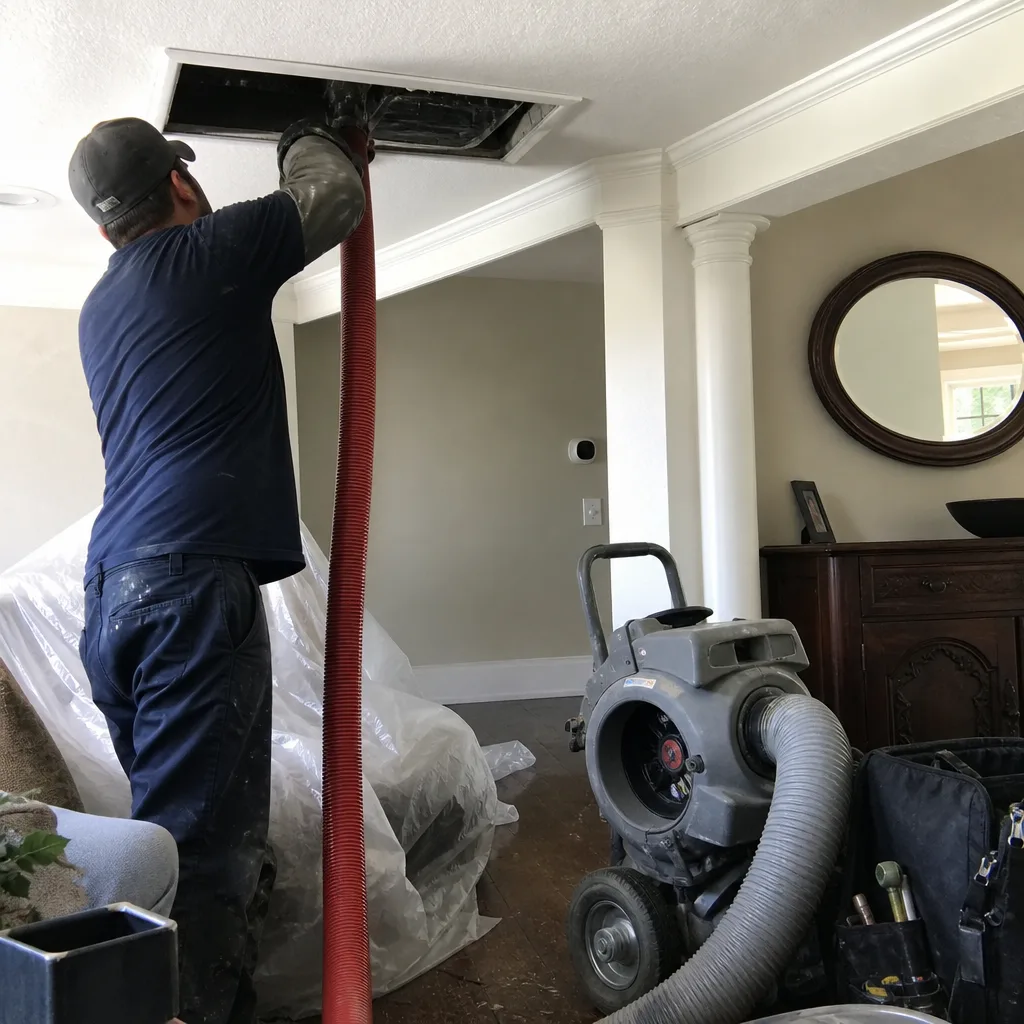 After
After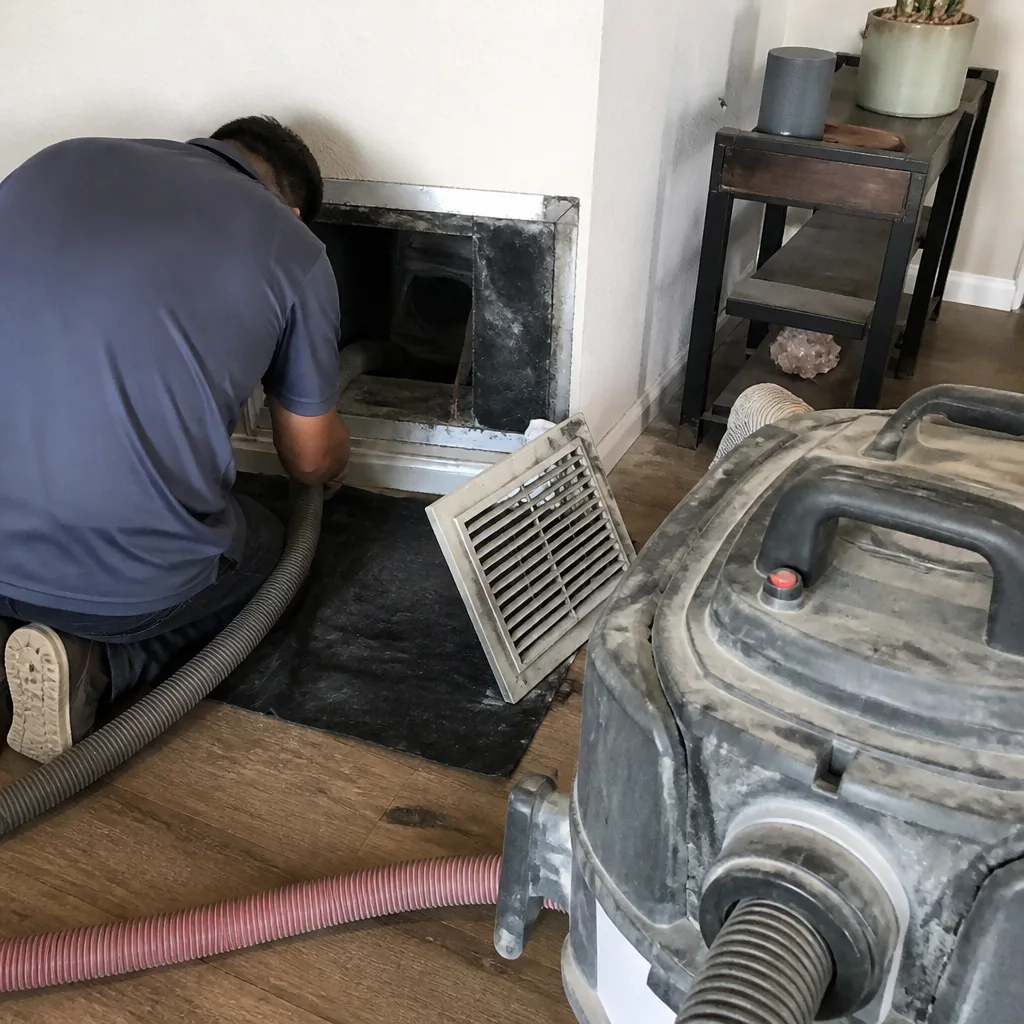 Before
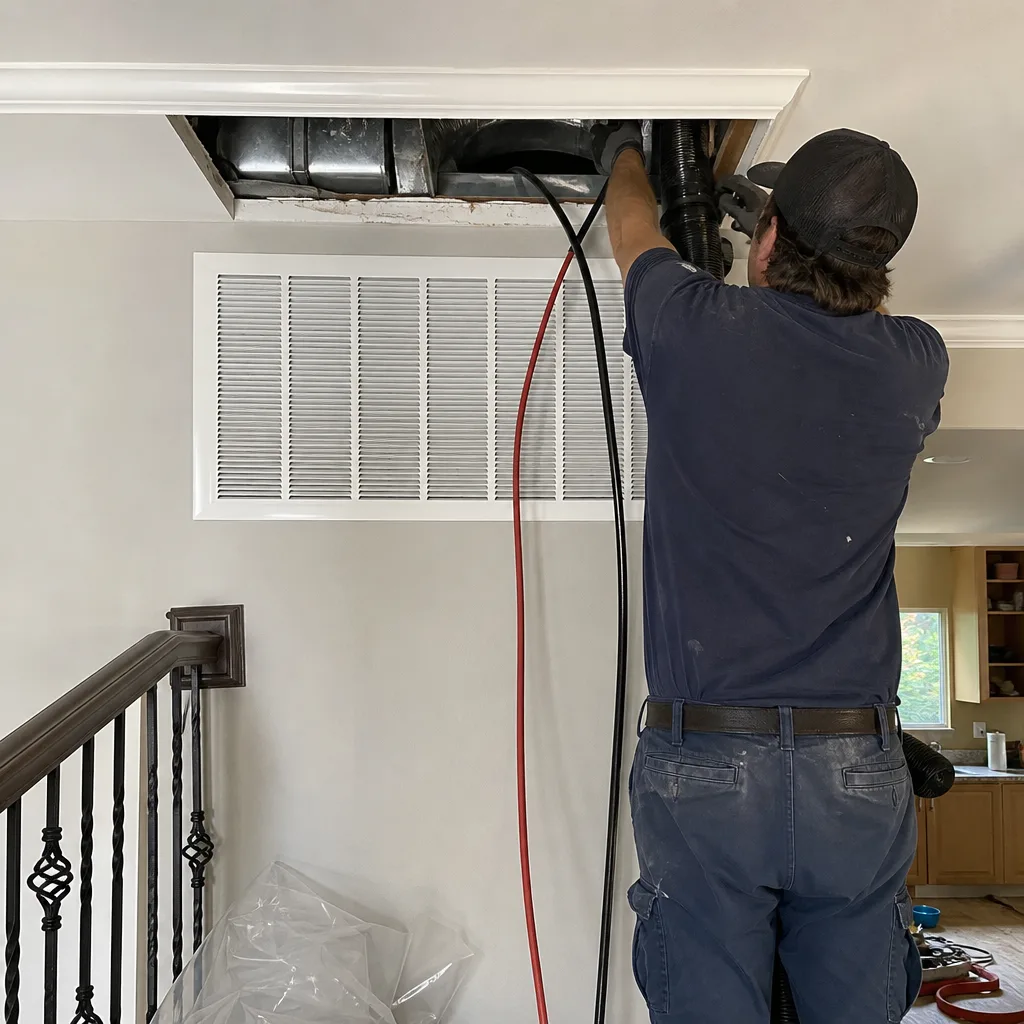 After
AfterHoneywell Coil Cleaning: The Plano Owner’s Guide
CleanRun stocks and installs Honeywell-compatible evaporator and condenser coil cleaning services for residential systems throughout Plano, with typical whole-system coil cleaning priced between $320 and $580 depending on accessibility and contamination level. Most Plano appointments are scheduled within 48 hours, and we carry professional-grade foaming agents and low-pressure rinsing equipment matched to Honeywell’s fin specifications on every truck. Homeowners usually discover coil problems during the first 90°F spring day in Collin County, when the system runs constantly but the supply air stays lukewarm and humidity creeps up.
Which Honeywell Models This Applies To
Honeywell coils appear across three distinct equipment categories in Plano homes: the OEM evaporator coils manufactured for Honeywell-branded air handlers (model prefixes EMM, EME, and EMH series), the condenser coils in Honeywell heat pump outdoor units (HPA and HPB series), and the indoor evaporator coils installed in matched systems with Honeywell T6 and T10 thermostats. The critical identification point is the coil’s fin density, measured in fins per inch, Honeywell’s residential evaporators typically run 8 to 12 fins per inch, while their commercial-grade lines hit 14 to 16. A denser fin pack traps more Plano pollen and construction dust but also requires lower pressure during cleaning to avoid fin compression.
We match cleaning approach to coil specification. OEM Honeywell coils use aluminum fins bonded to copper tubing with a hydrophilic coating that degrades after roughly 8 to 12 years in North Texas heat. Aftermarket replacements from Aspen and ADP fit most Honeywell air handlers and match the original dimensions, though the coating chemistry differs. Tomas Reyes checks the model plate on the air handler cabinet and photographs the coil condition through the access panel before recommending cleaning versus replacement, because a 15-year-old coil with corroded tubing joints won’t benefit from aggressive cleaning.
CleanRun Air Duct Cleaning Plano is an independent service provider with no affiliation with Honeywell International.
Signs Your Honeywell Coil Cleaning Is Failing
- Supply air temperature rises 8°F or more above normal. A clean Honeywell evaporator coil should produce supply air roughly 18°F to 22°F below return air temperature. When pollen, pet dander, and construction dust from Plano’s ongoing development pack between fins, the heat transfer surface chokes and the temperature split collapses.
- Ice formation on the suction line or coil face. Restricted airflow across the coil drops the refrigerant temperature below freezing, causing condensation to ice over. In Plano’s humid spring months, we’ve photographed ice blankets thick enough to block the blower entirely, usually after two to three years of skipped maintenance.
- System runs continuously without reaching thermostat setpoint. The compressor works longer hours to move the same heat load, driving up electric bills and shortening equipment life. We see this pattern most often in Plano’s Legacy West and Willow Bend areas, where tighter home envelopes trap more internal particulate.
- Musty or sour odor from registers when the blower cycles on. Organic debris on a wet coil becomes a growth medium. Honeywell’s hydrophilic coating is designed to shed condensate, but once biofilm establishes, the coating degrades faster and the odor persists until physical cleaning addresses the source.
- Water around the air handler or rust on the secondary drain pan. A dirty coil produces uneven condensate distribution, overwhelming the primary drain and spilling into the emergency pan. In Plano’s hard-water environment, mineral deposits accelerate rust-through once this pattern repeats.
BeforeAfterReplacement Cost & What’s Included
Whole-system coil cleaning in Plano runs $320 to $480 for accessible evaporator coils in attic or closet installations, and $420 to $580 for condenser coils requiring partial disassembly of the outdoor unit cabinet. The range reflects three factors: coil location (crawlspace work adds time), contamination severity (heavy construction dust requires extended contact time with foaming agent), and whether the coil needs straightening of bent fins after cleaning.
Every Honeywell coil cleaning includes the documented photo record, Haven Standard Clause 1 written price agreed before work starts, and the 365-Day Done Right Promise. We use Nikro and Abatement Technologies negative-pressure containment during indoor work to protect your home, and Honeywell-specified foaming agents that won’t degrade the factory coating. The delivered job record shows before-and-after images of the coil face, the temperature split measurement, and the fin density check.
DIY or Call Us?
A homeowner can safely check two things: whether the outdoor condenser has visible debris blocking the cabinet louvers, and whether the indoor filter is clean and properly seated. Both take five minutes and require no tools beyond a flashlight. Beyond that, coil cleaning involves risks that justify professional handling. Evaporator coils sit above live electrical components and the blower assembly, and the refrigerant lines remain charged even when the system is powered off. The foaming agents effective against biofilm are respiratory irritants in confined attic spaces. Condenser coils carry 240V within inches of the work area, and bent fins require a specialized comb tool matched to the fins-per-inch count.
We’ve responded to Plano calls where DIY rinsing with a standard garden hose compressed the fin pack into a solid sheet, requiring coil replacement. Show the photo first. Talk second. That’s why Tomas photographs the coil before quoting any work, so you’re looking at the same evidence we are. For a written price before any panel comes off, call (469) 452-7766.
FAQs
How long does a cleaned Honeywell coil last in Plano’s climate?
With annual filter changes and proper condensate drainage, a professionally cleaned Honeywell coil delivers another 3 to 5 years of service in North Texas before replacement becomes the better value. The limiting factor is usually tubing corrosion at the U-bends, not surface contamination. Call (469) 452-7766 and we’ll inspect the coil condition before recommending cleaning versus replacement.
Can a dirty Honeywell coil be repaired instead of cleaned?
Individual fin straightening and spot leak repair are possible, but they’re rarely economical for residential coils. Once biofilm penetrates the fin-to-tube bond or corrosion pits the copper, cleaning addresses symptoms without solving the underlying integrity problem. We document both conditions in the photo record so you can see the difference.
How long does the coil cleaning appointment take?
Most residential Honeywell coil cleanings in Plano take 90 minutes to 2.5 hours from arrival to final temperature-split verification. Condenser-only work runs shorter, attic evaporators with limited access take longer. The written scope specifies the time estimate before work starts, Haven Standard Clause 1.
Do you stock the cleaning agents and equipment for Honeywell systems?
Yes. Every CleanRun truck carries foaming agents rated for Honeywell’s aluminum-copper construction, low-pressure rinse equipment set to under 600 PSI to protect fin integrity, and fin combs in 8, 10, 12, and 14 fins-per-inch sizes. We also stock Rotobrush duct cleaning equipment and Honeywell, Aprilaire, and Guardsman air quality components for combined appointments.
Written by Tomas Reyes, Owner, CleanRun Air Duct Cleaning Plano at CleanRun Air Duct Cleaning Plano, serving Plano and nearby areas.